What kind of work does vitamin B6 do for the body? It’s involved in synthesis of proteins and the neurotransmitters GABA and serotonin, production of antibodies of the immune system, as well as in the manufacture of oxygen-hungry muscle cells and oxygen-carrying red blood cells. It’s also required for proper fluid and electrolyte balance, controlling levels of potassium and sodium-based fluids while helping maintain proper intracellular levels of magnesium. It’s vital to methylation, a biochemical process that must occur in every cell of the body, 24/7 for health maintenance---and much more.
Vitamin B6 deficiency is not just associated with microcytic anemia and skin conditions like dermatitis and cheilosis, but also with reduced immune function. Low levels negatively affect the brain and nervous system, and are linked to reduced REM sleep, depression, and EEG abnormalities.
While it’s true a varied diet can contain a decent amount of vitamin B6, a significant amount of the vitamin B6 present in fruits, vegetables and grains are in a form that isn’t as bioavailable as those found in meats.
Supplementation can be used to reduce risk of vitamin B6 deficiency and help manage several different health conditions, but Vitamin B6 supplements that contain B6 in its inactivated form (pyridoxine hydrochloride) are rapidly excreted by the body within 60 to 90 minutes of absorption.
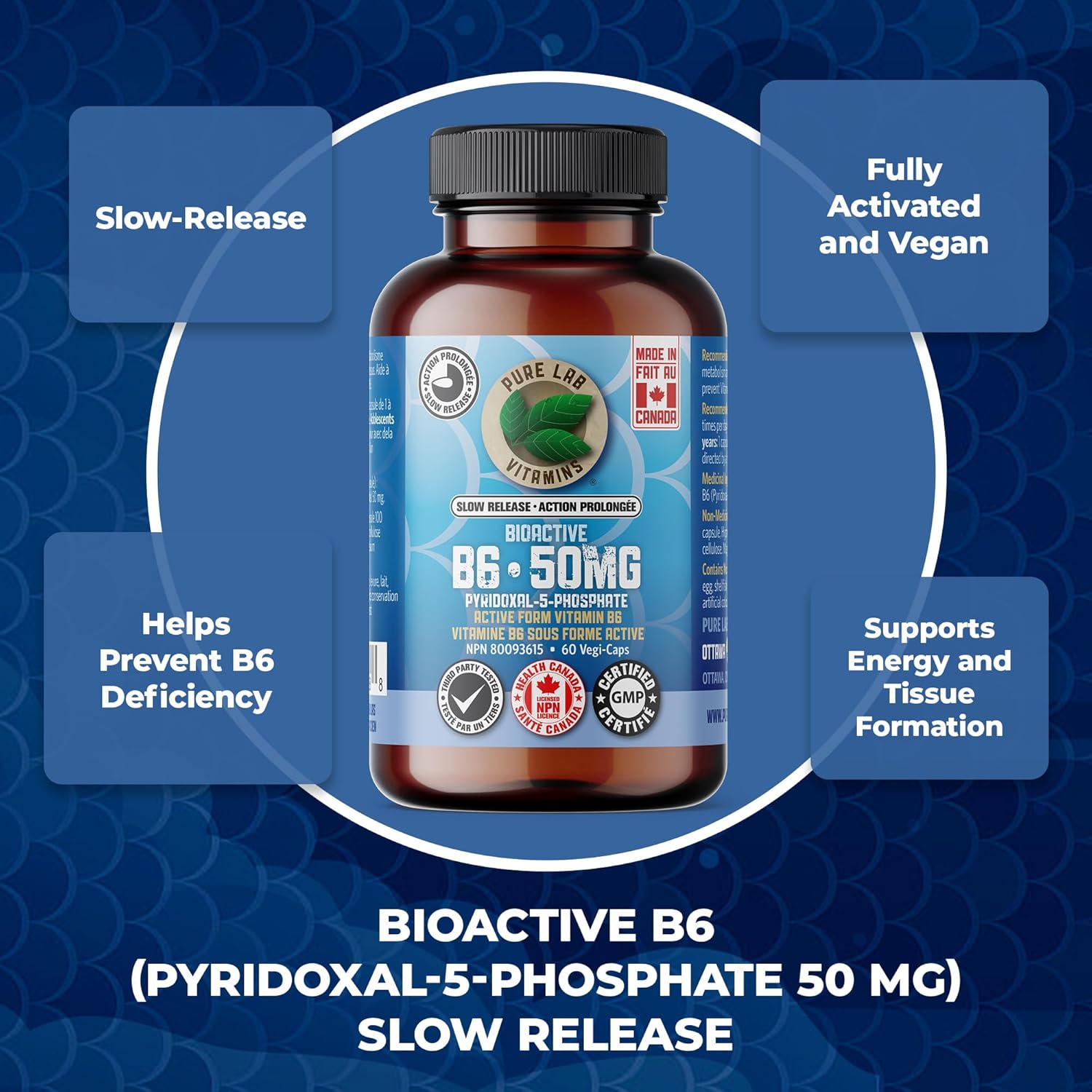
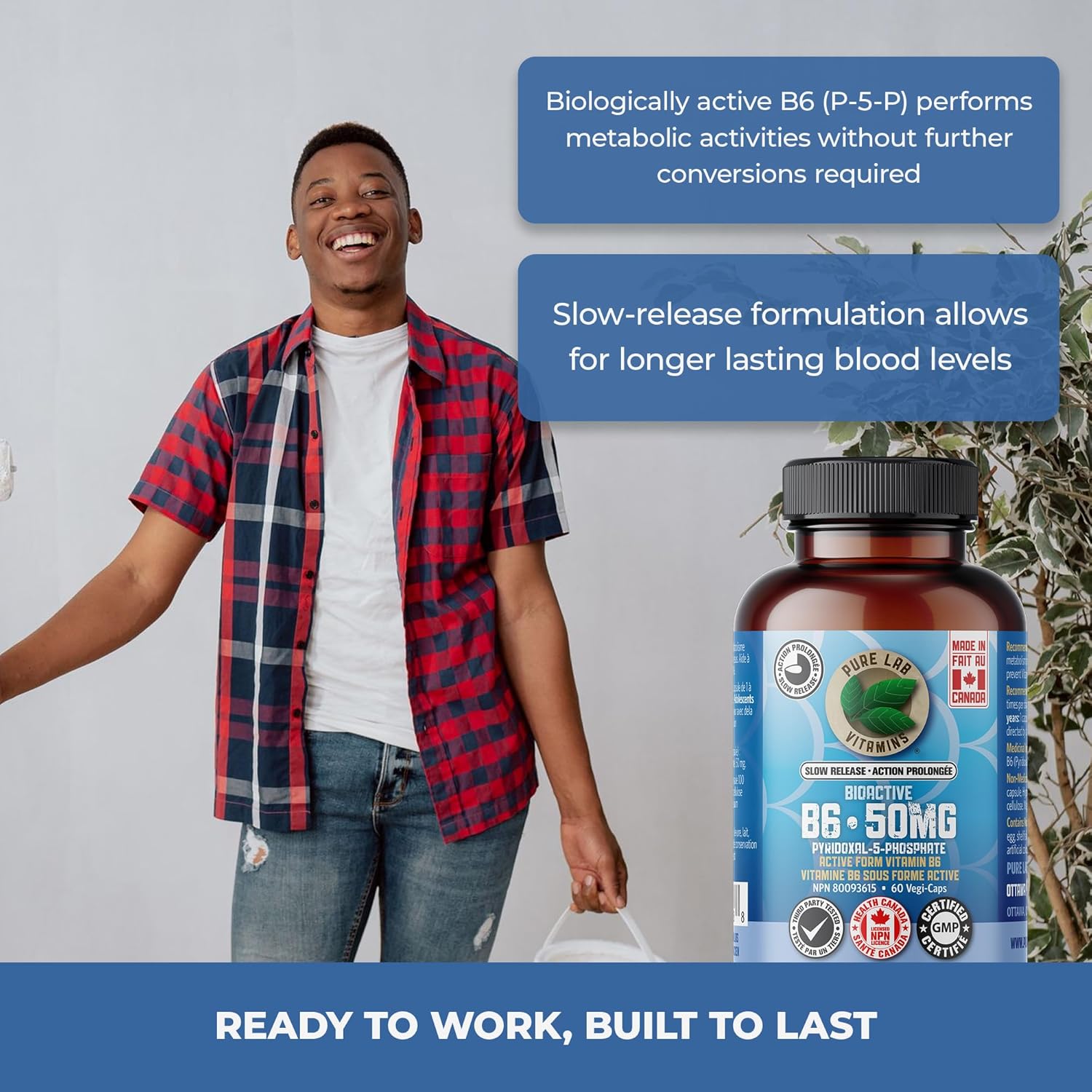
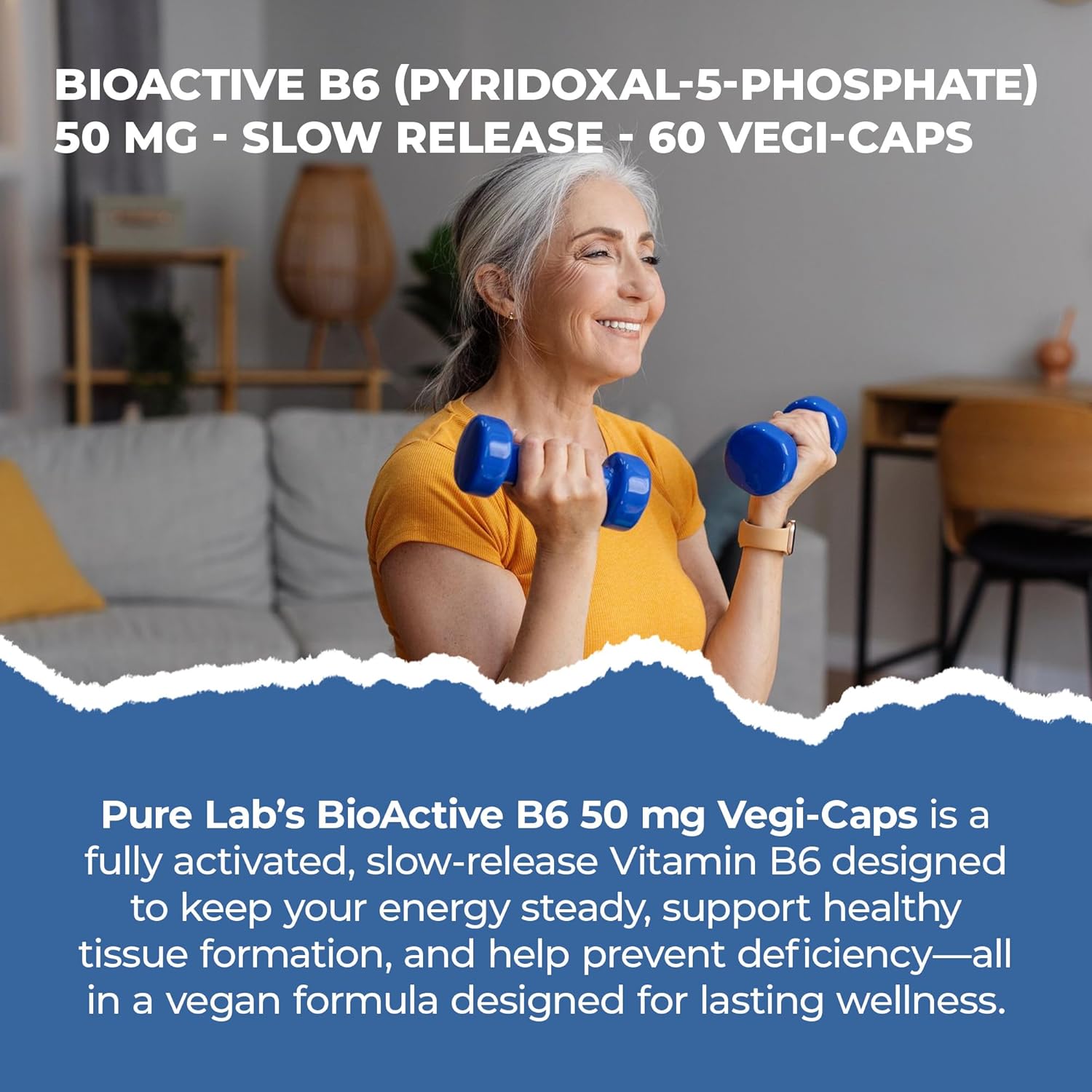
For this reason, Pure Lab’s Slow Release BioActive B-6 capsules are designed to release vitamin B6 gradually into the GI tract where it can be absorbed into the bloodstream, sustaining blood levels for up to 6 hours before replenishment is needed.
Pure Lab’s Slow Release BioActive B6 contains 50 milligrams of a biologically active form of B6: pyridoxal-5-phosphate (P-5-P). Unlike pyridoxine and pyridoxamine--which require further actions by the body in order to become fully useful-- P-5-P is ready to perform metabolic work, like a fully charged battery.
Aybak M, Sermet A, Ayyildiz MO, Karakilçik AZ. Effect of oral pyridoxine hydrochloride supplementation on arterial blood pressure in patients with essential hypertension. Arzneimittelforschung. 1995;45(12):1271-1273.
Baltrusch S. The Role of Neurotropic B Vitamins in Nerve Regeneration. Biomed Res Int. 2021;2021:9968228. Published 2021 Jul 13.
Dror DK, Allen LH. Interventions with vitamins B6, B12 and C in pregnancy. Paediatr Perinat Epidemiol. 2012;26 Suppl 1:55-74.
Ellis JM, Kishi T, Azuma J, Folkers K. Vitamin B6 deficiency in patients with a clinical syndrome including the carpal tunnel defect. Biochemical and clinical response to therapy with pyridoxine. Res Commun Chem Pathol Pharmacol. 1976;13(4):743-757.
Hvas AM, Juul S, Bech P, Nexø E. Vitamin B6 level is associated with symptoms of depression. Psychother Psychosom. 2004;73(6):340-343.
Linus Pauling Institute Micronutrient Research Center, Oregon State University. Vitamin B6. https://lpi.oregonstate.edu/mic/vitamins/vitamin-B6#drug-interactions
Lin, Ping-Ting et al. Low Pyridoxal 5'-phosphate Is Associated With Increased Risk of Coronary Artery Disease. Nutrition Nov-Dec 2006:22 (11-12), 1146-51.
Mackey A, Davis S, Gregory J. “Vitamin B6”. In: Shils M, Shike M, Ross A, Caballero B, Cousins R, eds. Modern Nutrition in Health and Disease. 10th ed. Baltimore, MD: Lippincott Williams & Wilkins; 2005.
Miller LT, Leklem JE, Shultz TD. The effect of dietary protein on the metabolism of vitamin B-6 in humans. J Nutr. 1985;115(12):1663-1672.
National Institutes of Health: Office of Dietary Supplements. Vitamin B6: Fact Sheet for Health Professionals. Accessed May 15, 2023.
Rall LC, Meydani SN. Vitamin B6 and immune competence. Nutr Rev. 1993;51(8):217-225.
Sadeghi O, Nasiri M, Maghsoudi Z, Pahlavani N, Rezaie M, Askari G. Effects of pyridoxine supplementation on severity, frequency and duration of migraine attacks in migraine patients with aura: A double-blind randomized clinical trial study in Iran. Iran J Neurol. 2015;14(2):74-80.
Saposnik G, Ray JG, Sheridan P, McQueen M, Lonn E; Heart Outcomes Prevention Evaluation 2 Investigators. Homocysteine-lowering therapy and stroke risk, severity, and disability: additional findings from the HOPE 2 trial. Stroke. 2009;40(4):1365-1372.
Shaik MM, Gan SH. Vitamin supplementation as possible prophylactic treatment against migraine with aura and menstrual migraine. Biomed Res Int. 2015;2015:469529.
Wilson SM, Bivins BN, Russell KA, Bailey LB. Oral contraceptive use: impact on folate, vitamin B₆, and vitamin B₁₂ status. Nutr Rev. 2011;69(10):572-583.
Wyatt KM, Dimmock PW, Jones PW, Shaughn O'Brien PM. Efficacy of vitamin B-6 in the treatment of premenstrual syndrome: systematic review. BMJ. 1999;318(7195):1375-1381.
Xiong Y, Huang J, Amoah AN, Liu B, Bo Y, Lyu Q. Folate, vitamin B6, and vitamin B12 intakes are negatively associated with the prevalence of hypertension: A national population-based study.Nutr Res. 2023;112:46-54.
How long do the effects of Pure Lab’s Slow Release BioActive B6 last?
Answer: On average, an individual can expect to maintain serum (blood) vitamin B6 levels from 1 dose of our Slow Release BioActive B6 over a period of 4 to 5 hours. However, individual experiences vary based on diet and metabolic differences.
Which ingredient in Pure Lab’s Slow Release BioActive B6 is responsible for the slow-release effect and how does it work?
Answer: The ingredient in Pure Lab’s Slow Release BioActive B6 responsible for the slow-release effect is hypromellose SR. This is a fiber derived from the pulp of the poplar or birch tree. The hypromellose SR is mixed with the ingredients within the capsule so that it forms a gel upon contact with digestive fluids. This allows for a slower release of the vitamin B6, and therefore, a more gradual entry into the bloodstream for sustained benefits.
Is the Vitamin B6 in Pure Lab’s Slow Release BioActive B6 methylated?
Answer: No, the vitamin B6 in Pure Lab’s Slow Release BioActive B6 is phosphorylated, making it biologically active and ready to perform metabolic work upon absorption into the bloodstream.
How is the Vitamin B6 in Pure Lab’s Slow Release BioActive B6 different from the pyridoxine hydrochloride form of B6?
Answer: The B6 vitamins found in most supplements (for ex. pyridoxine hydrochloride) requires conversion into a biologically active form before we can fully benefit from it. Pure Lab’s Slow Release BioActive B6 contains pyridoxal-5-phosphate - - the biologically active form of B6 that’s ready to perform metabolic work. This is akin to using a fully charged battery, instead of a partially drained one.
Does Pure Lab’s Slow Release BioActive B6 need to be taken with food?
Answer: To reduce chance of stomach discomfort, Pure Lab’s Slow Release BioActive B6 is best taken with food—preferably no later than the 2nd meal of the day.
Does Pure Lab’s Slow Release BioActive B6 have any side effects?
Answer: Vitamin B6 may promote increased frequency of urination at therapeutic dosages found in nutritional supplements like Pure Lab’s Slow Release BioActive B6.
What use is Pure Lab’s Slow Release BioActive B6 approved for?
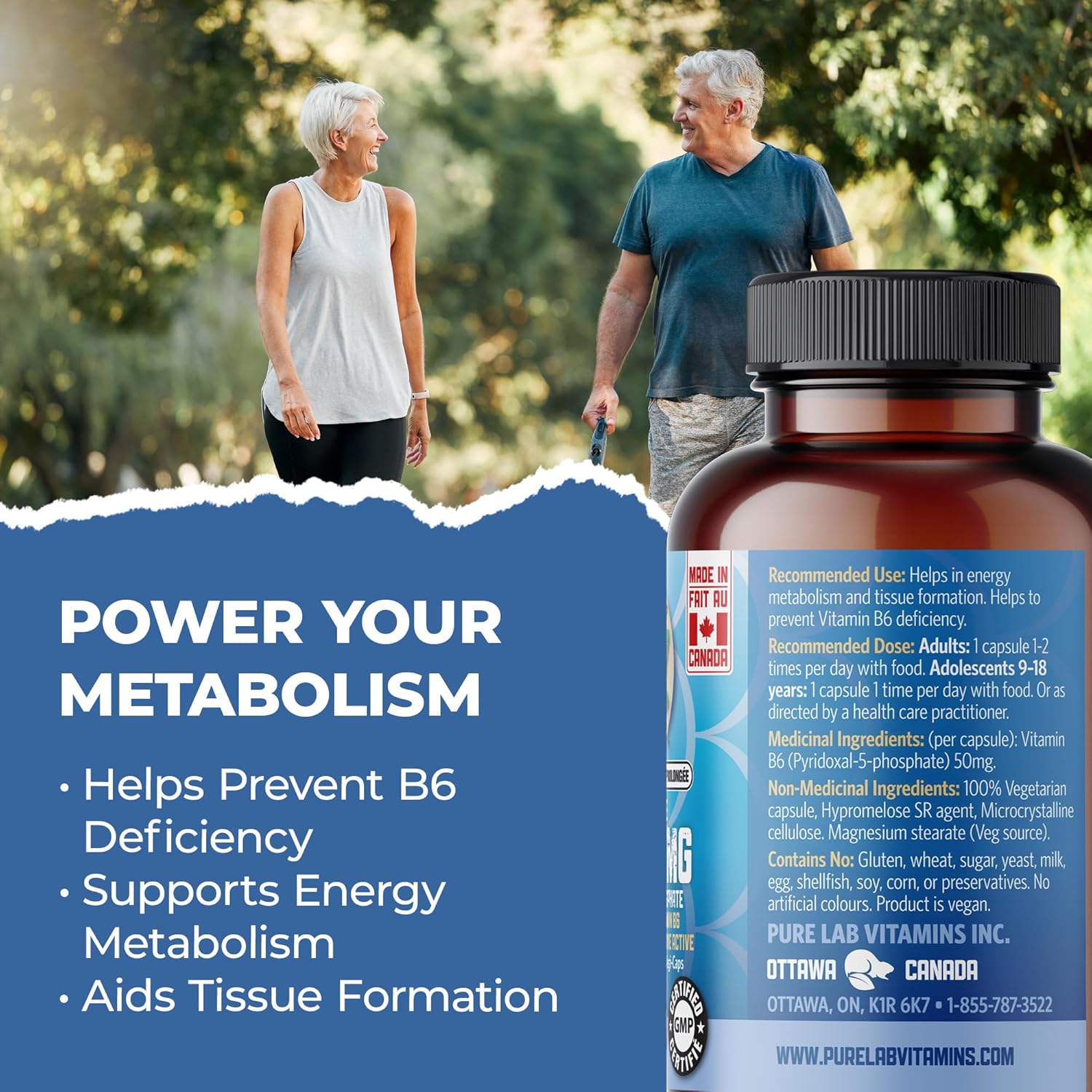
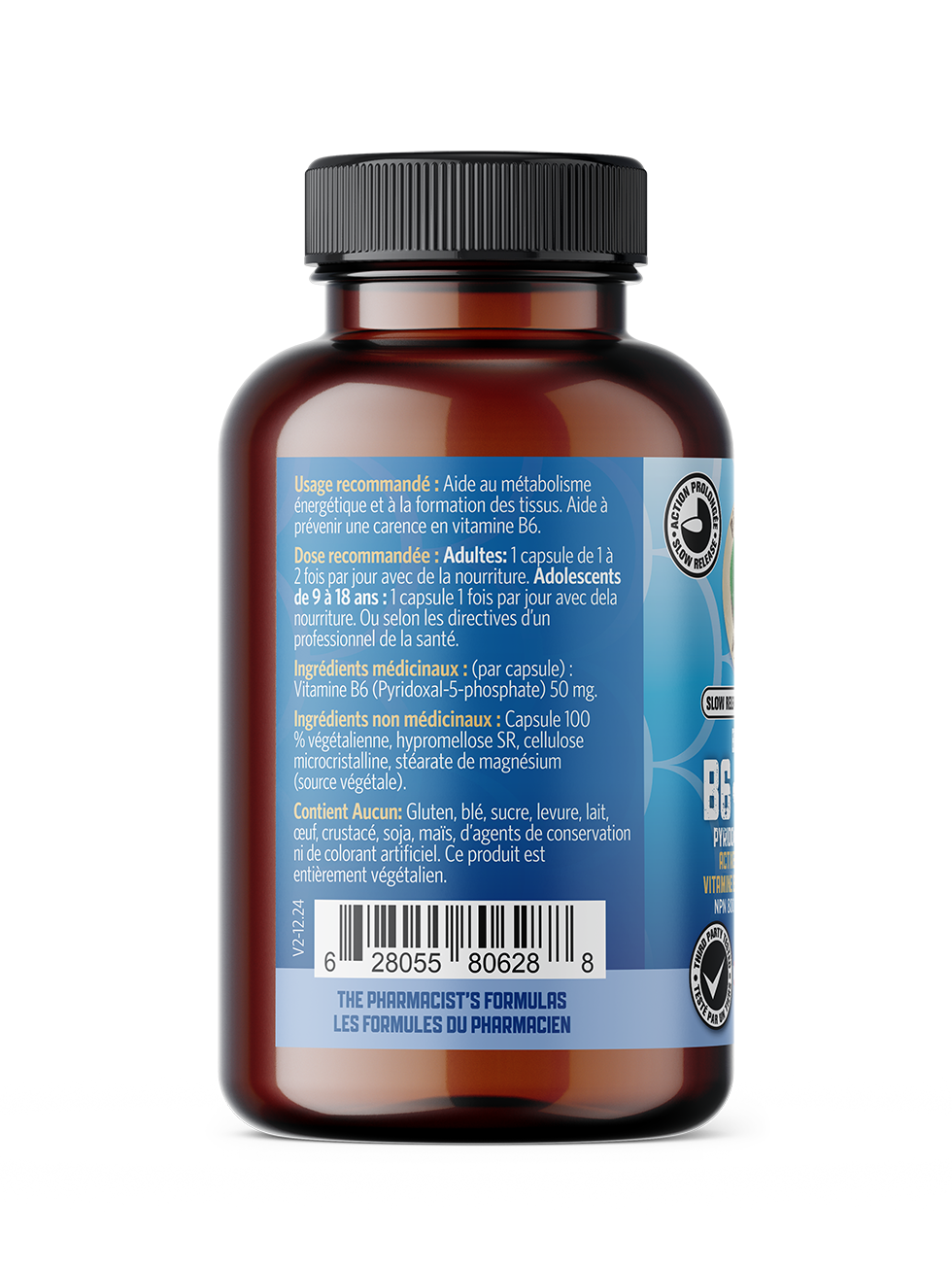
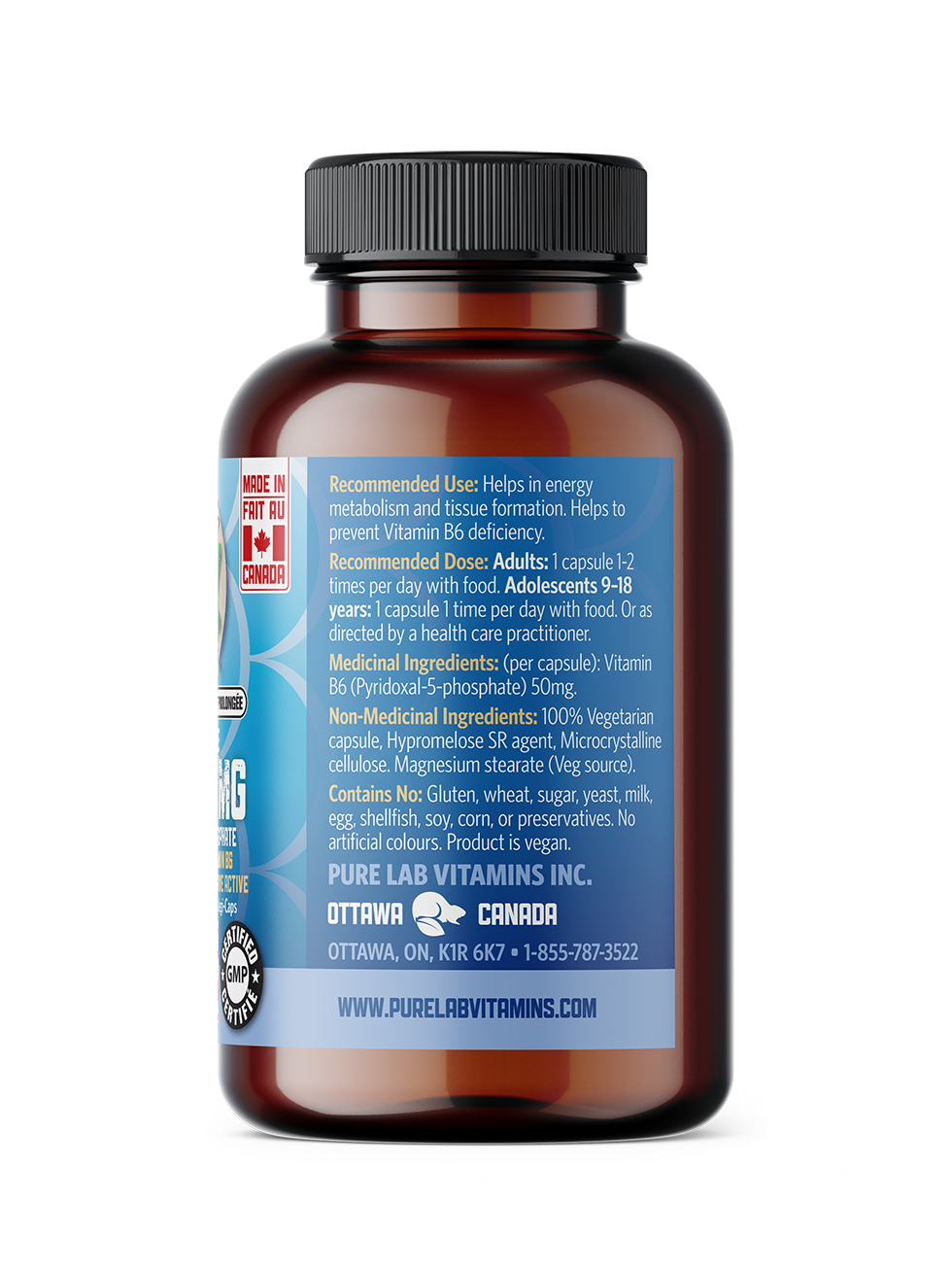
Answer: In Canada, the registered health claim for Pure Lab’s Slow Release BioActive B6 is: “Helps in energy metabolism and tissue formation. Helps to prevent vitamin B6 deficiency.”
Is Pure Lab’s Slow Release BioActive B6 vegan?
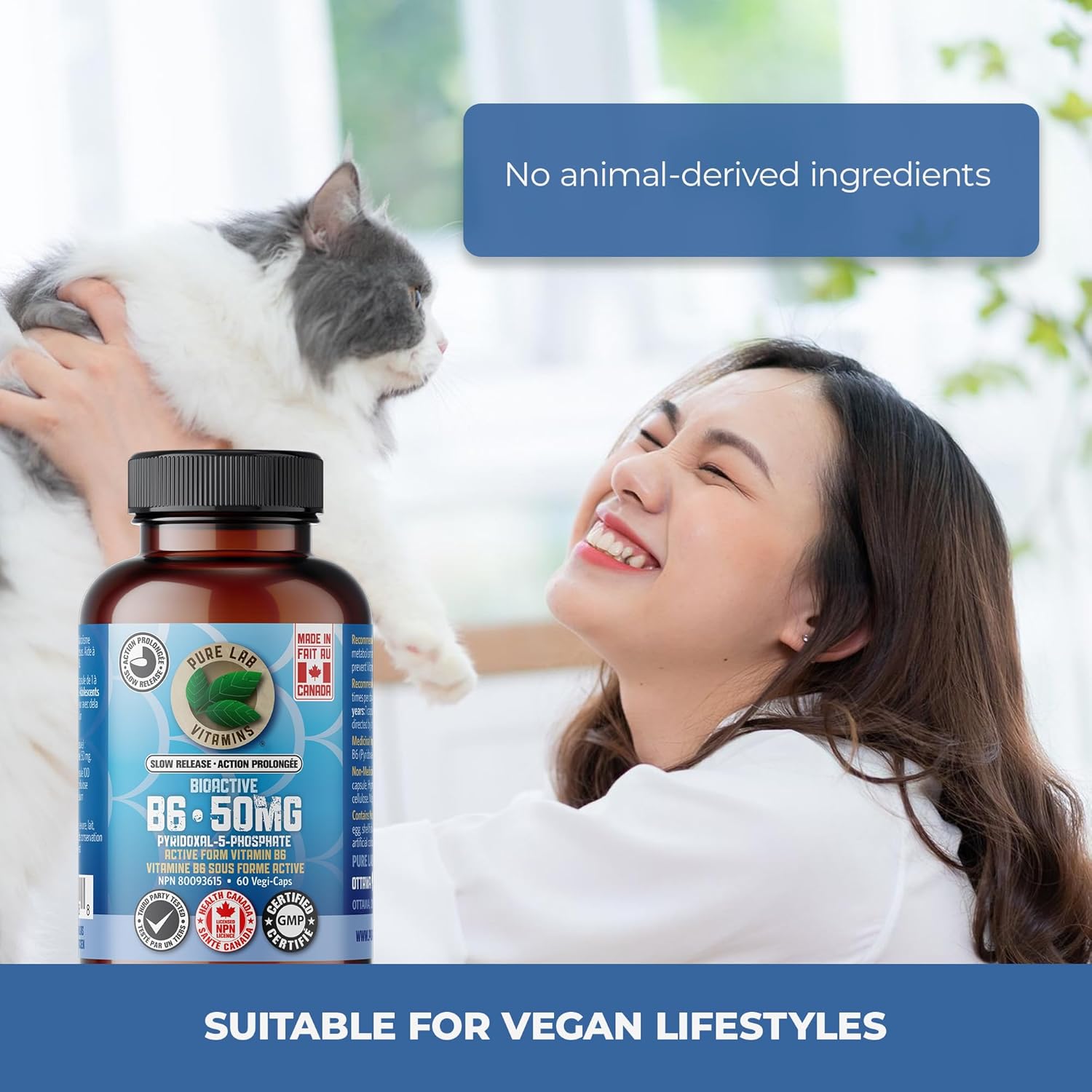
Answer: Pure Lab’s Slow Release BioActive B6 contains no animal-derived ingredients. It is vegan.
Is Pure Lab Vitamins a Canadian company?
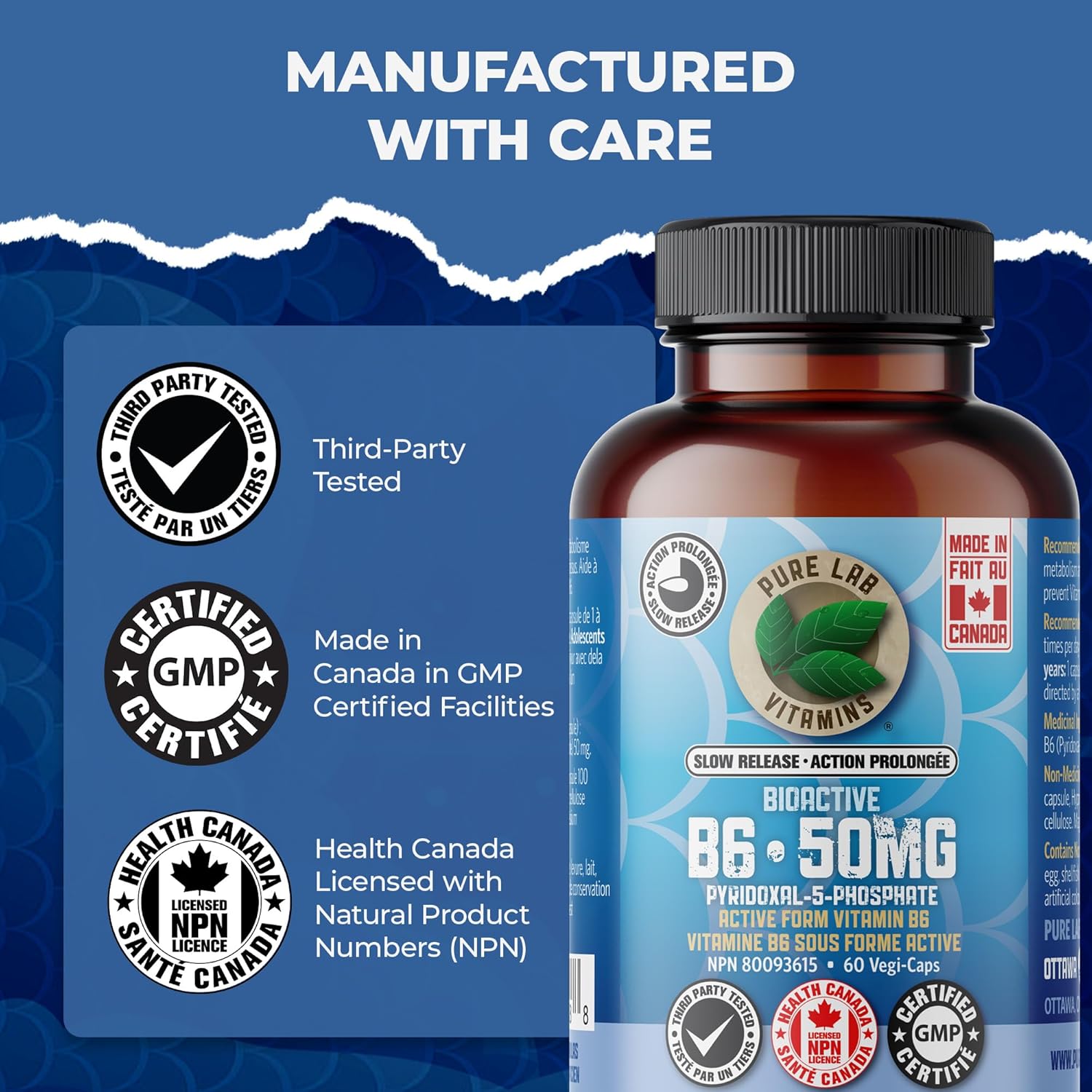
Answer: Yes, Pure Lab Vitamins is proudly owned and operated. Our products are made in Canada.
Is Pure Lab’s Slow Release BioActive B6 made in a GMP-certified facility?
Answer: Yes, Pure Lab’s Slow Release BioActive B6 is made in a GMP-certified facility.
Is Pure Lab’s Slow Release BioActive B6 third-party tested?
Answer: Yes, Pure Lab’s Slow Release BioActive B6 is third-party tested. Our raw materials and finished goods are always tested by ISO-certified labs.


 Magnesium Glycinate 100 mg
 Magnesium Glycinate Fully Reacted 100 mg
 Magnesium Glycinate 165 mg
 Magnesium Glycinate Raspberry-Lemon Powder Mix
 Magnesium Glycinate + L-Theanine
 Magnesium Glycinate +Taurine +CoQ10
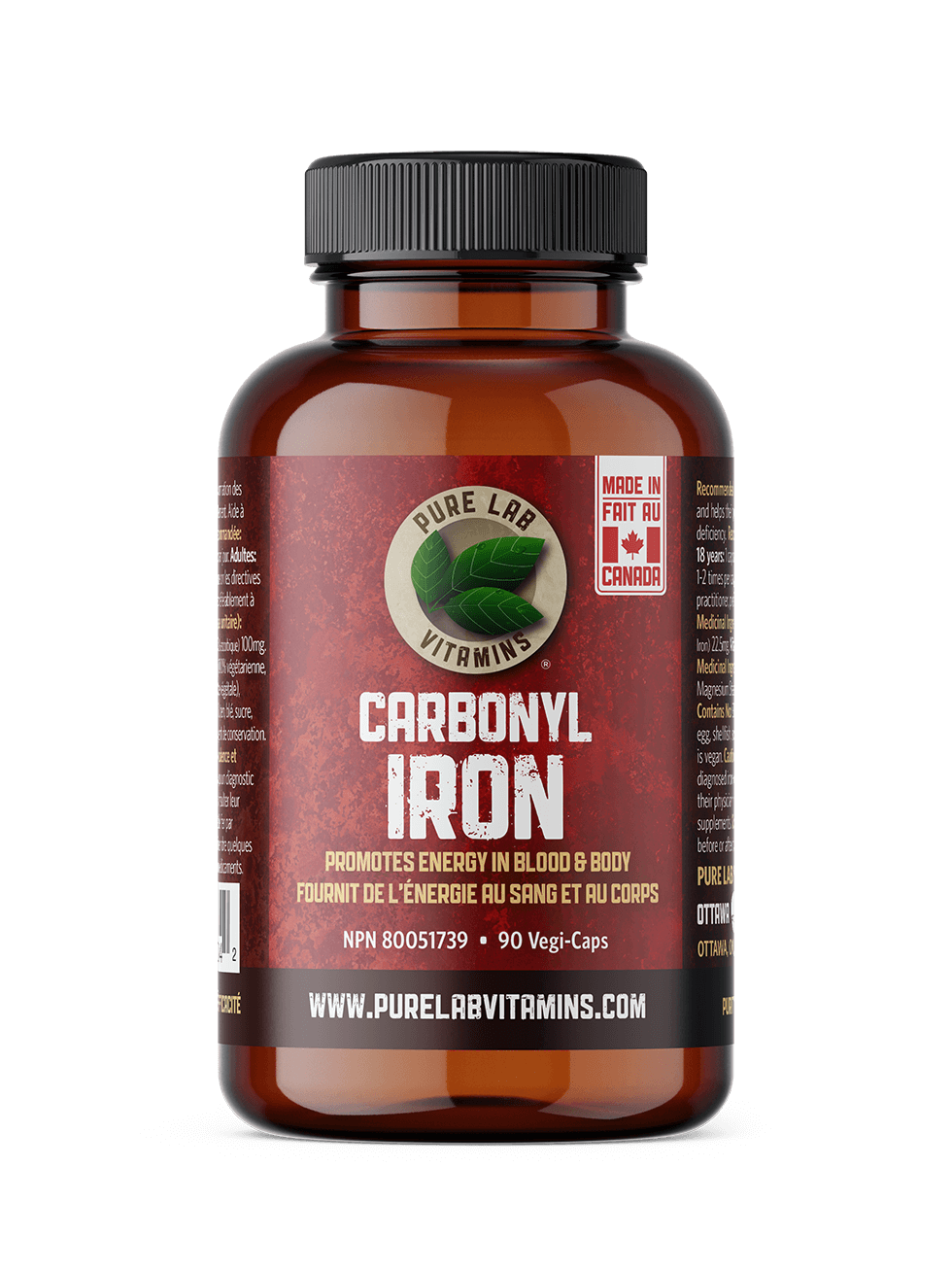 Carbonyl Iron 22.5 MG
 Zinc Glycinate 23 MG
 Copper Glycinate 1 MG
 Selenomethionine 200 MCG
 Calcium Hydroxyapatite
 Bioactive B Complex
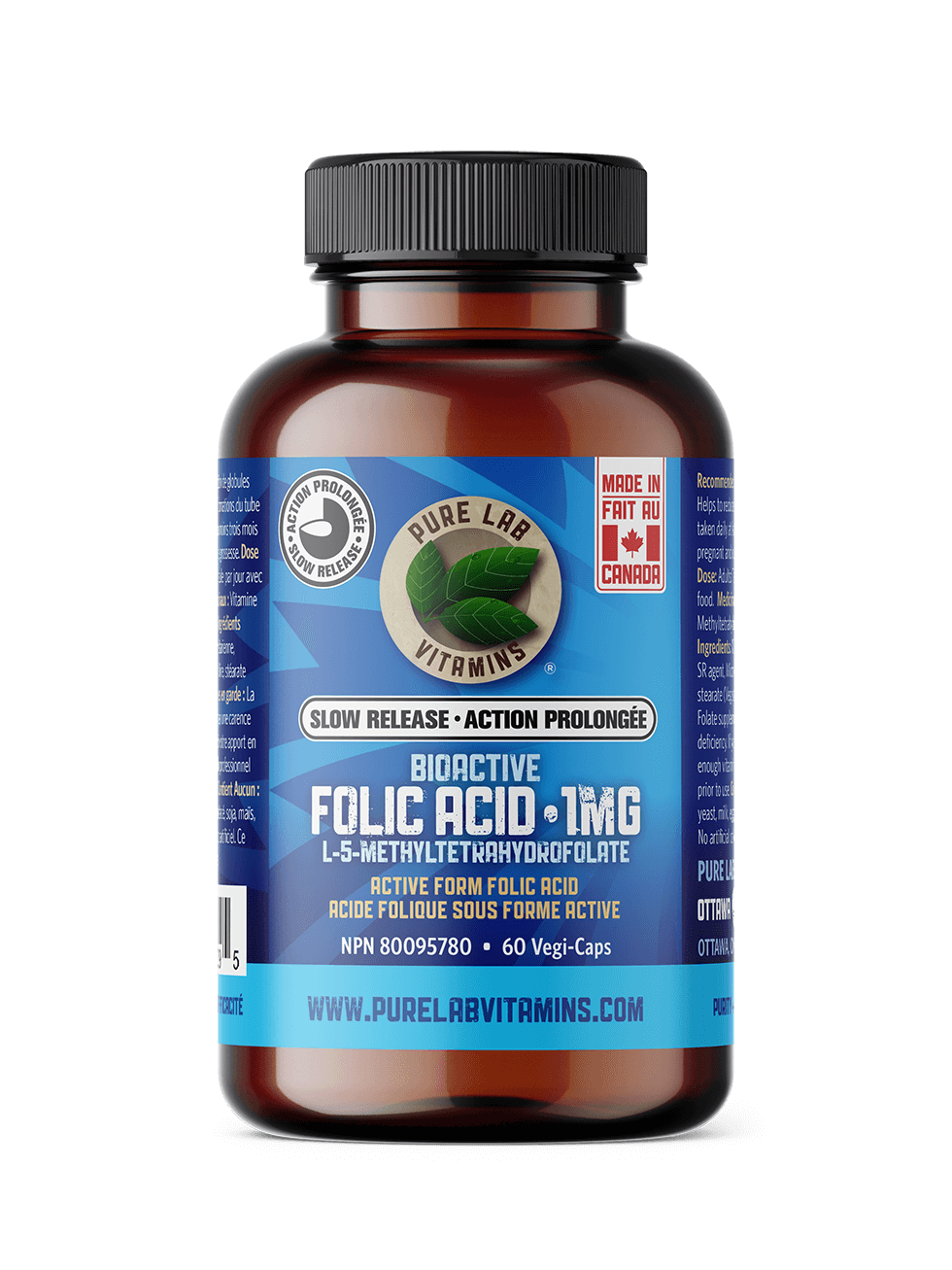 Bioactive Folic Acid 1 MG
 Bioactive B6 (PYRIDOXAL-5-PHOSPHATE) 50 MG
 Bioactive B12 1000 MCG
 Bioactive B12 5000 MCG
 NADH SR 20 MG
 NADH + Ubiquinol
 Vitamin K2-MK7 120 MCG
 NAC 600 MG
 L-THEANINE 250 MG
 L-THEANINE SLOW RELEASE 200 MG
 L-THEANINE CHEWABLES 125 MG
 L-Glutamine Capsules
 L-Glutamine Powder
 Magnesium Butyrate
 DIM
DIM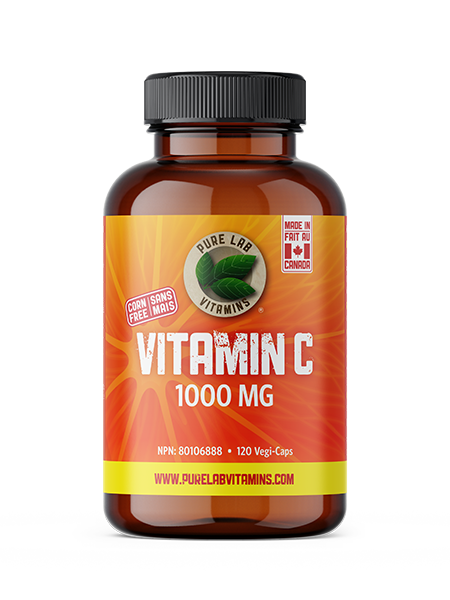 Vitamin C 1000 MG
 Vitamin C Slow Release 1000MG
 Vitamin C Powder
 Vitamin D3 1000IU
 Vitamin D3 2500IU
 Vegan Vitamin D3 1000IU
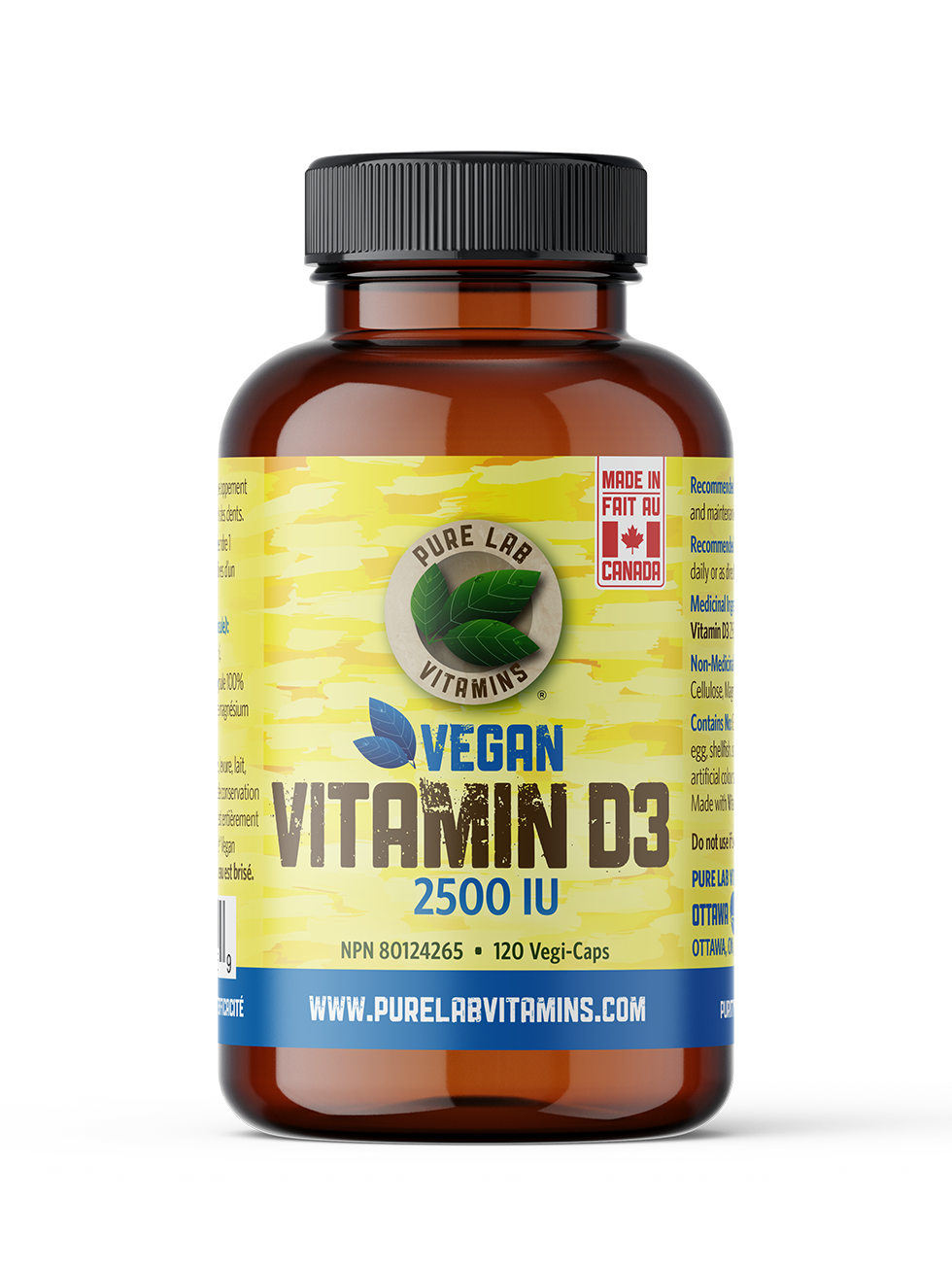 Vegan Vitamin D3 2500IU
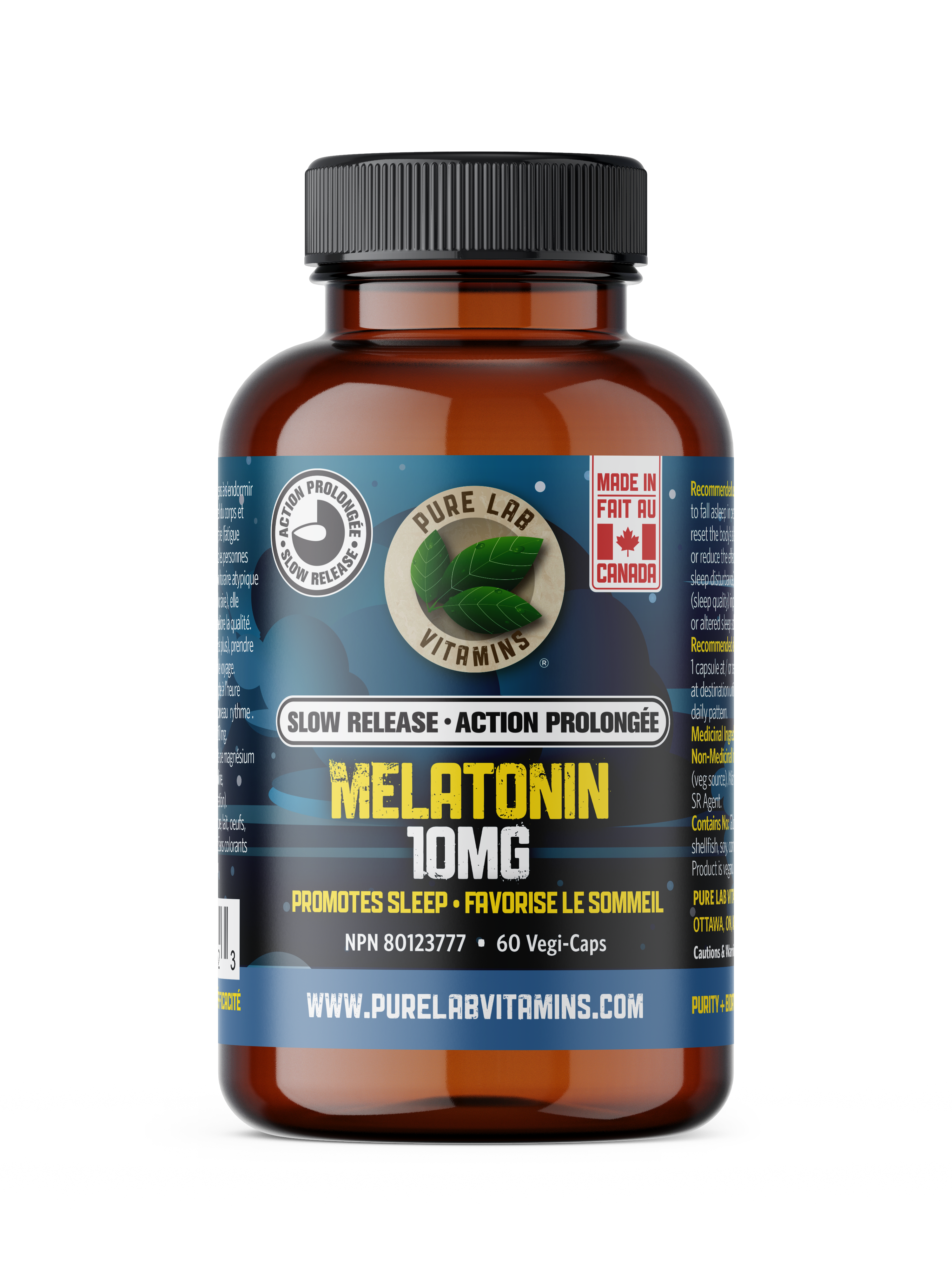 Slow Release Melatonin 10 MG
.png) Magnesium Glycinate +Melatonin
Magnesium Glycinate +Melatonin AlkaPure pH
 ThyroPure
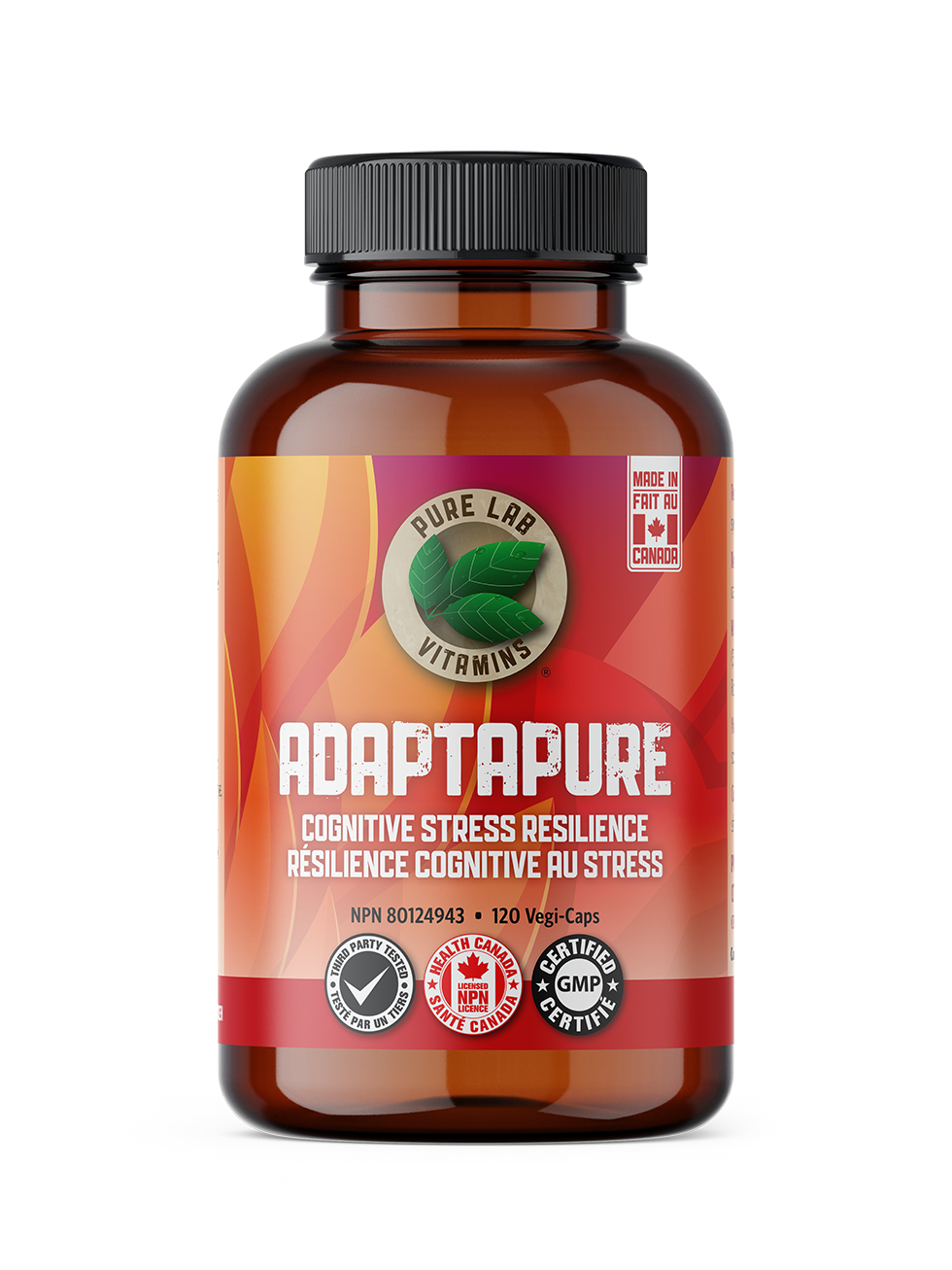 AdaptaPure
 Rhodiola
 UTI Pure 120s
 UTI Pure Powder





 WHAT'S HAPPENING AT PLV