The Canadian penny may be obsolete, but copper continues to be a very valuable mineral –and is
essential for health.
Collagen synthesis
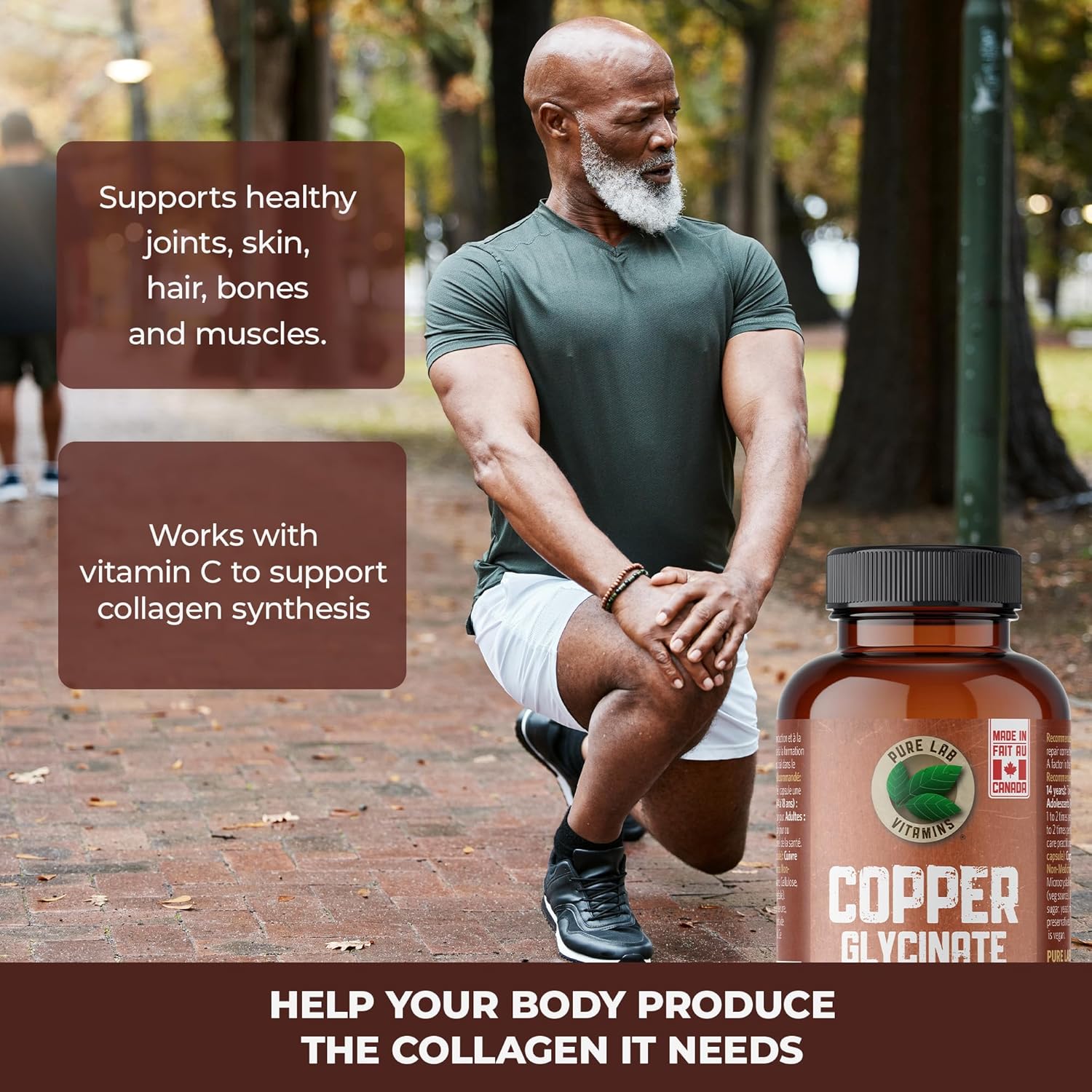
Copper is essential for the body to manufacture and maintain collagen, the structural protein that comprises
most of our tissues---including skin, joint cartilage, muscles, bones and blood vessels. While fish and
bovine-sourced collagen supplements are a popular trend, they aren’t a suitable way for vegans to
support collagen synthesis. There’s also no guarantee this collagen will be fully digested, absorbed and
used for one specific purpose or area of the body. That’s because collagen must be broken down into
individual amino acids by the digestive system and then reassembled correctly before it can be used for
connective tissue functions.
Oxygen utilization
While it’s true that the iron in hemoglobin is key for carrying oxygen around the body, without
adequate copper, iron supplementation alone may not restore ferritin and hemoglobin levels. If you’re
low in copper, taking lots of iron can mean continued fatigue, light-headedness and poor stamina if you’re
anemic, leaving you wondering if your iron supplement is any good. In fact, individuals with adequate ferritin
who are still not able to build hemoglobin are usually copper-deficient.
Immunity
Your immune system depends on copper. Unfortunately, the importance of copper has been overlooked and
overshadowed by its antagonist, zinc.
When we supplement large doses of zinc (i.e. 50 mg or higher)
in the interest of supporting a health condition, it competes with dietary copper for uptake into the
bloodstream and can result in copper deficiency. This will negatively affect oxygen utilization and immune
function. In addition, zinc-induced copper deficiency (sometimes also called zinc dominance) can lead to
neutropenia---a low white blood cell count, specifically of neutrophils. In this situation, there’s a
decreased resistance to bacterial infections---with reduced ability to fight them off once they’ve
started.
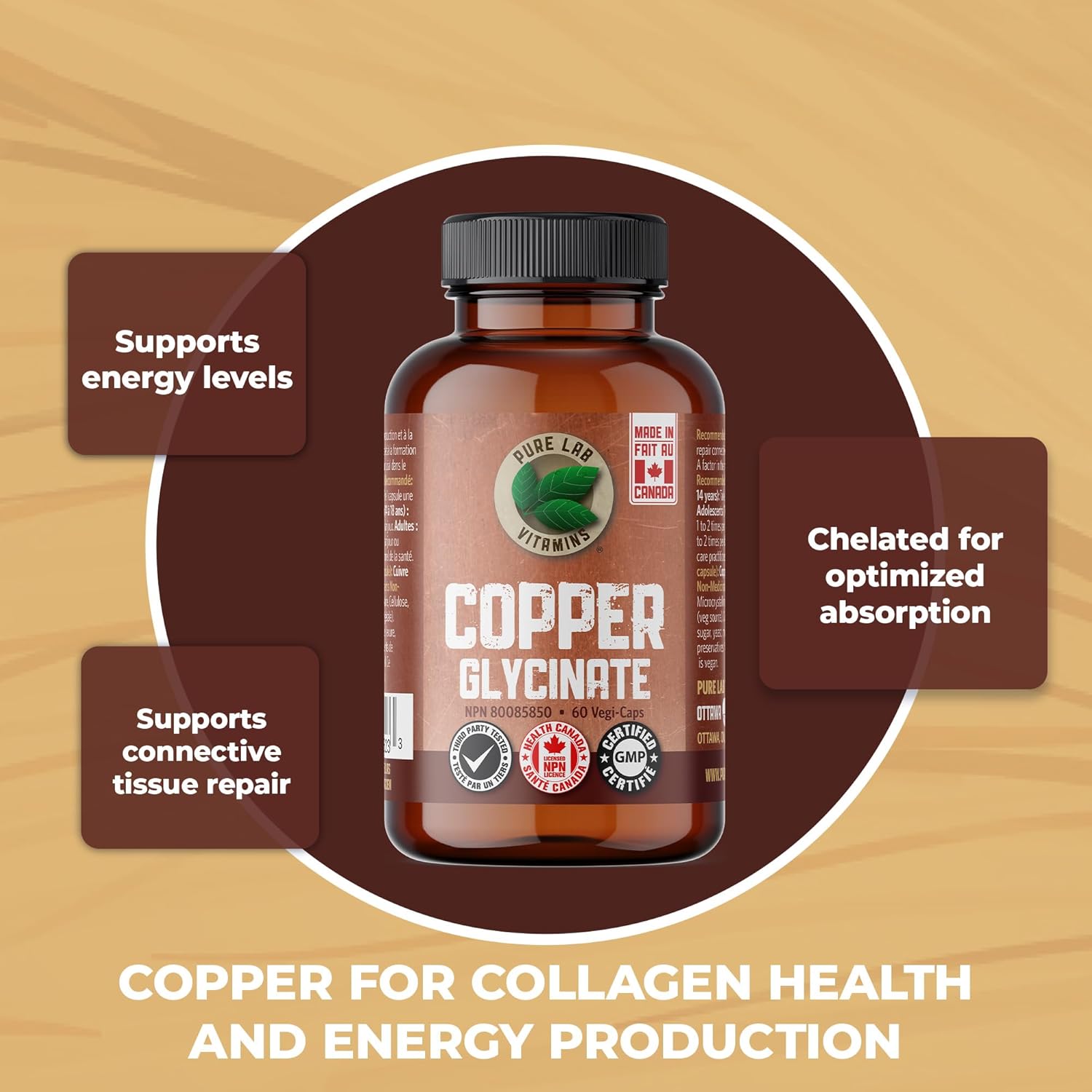
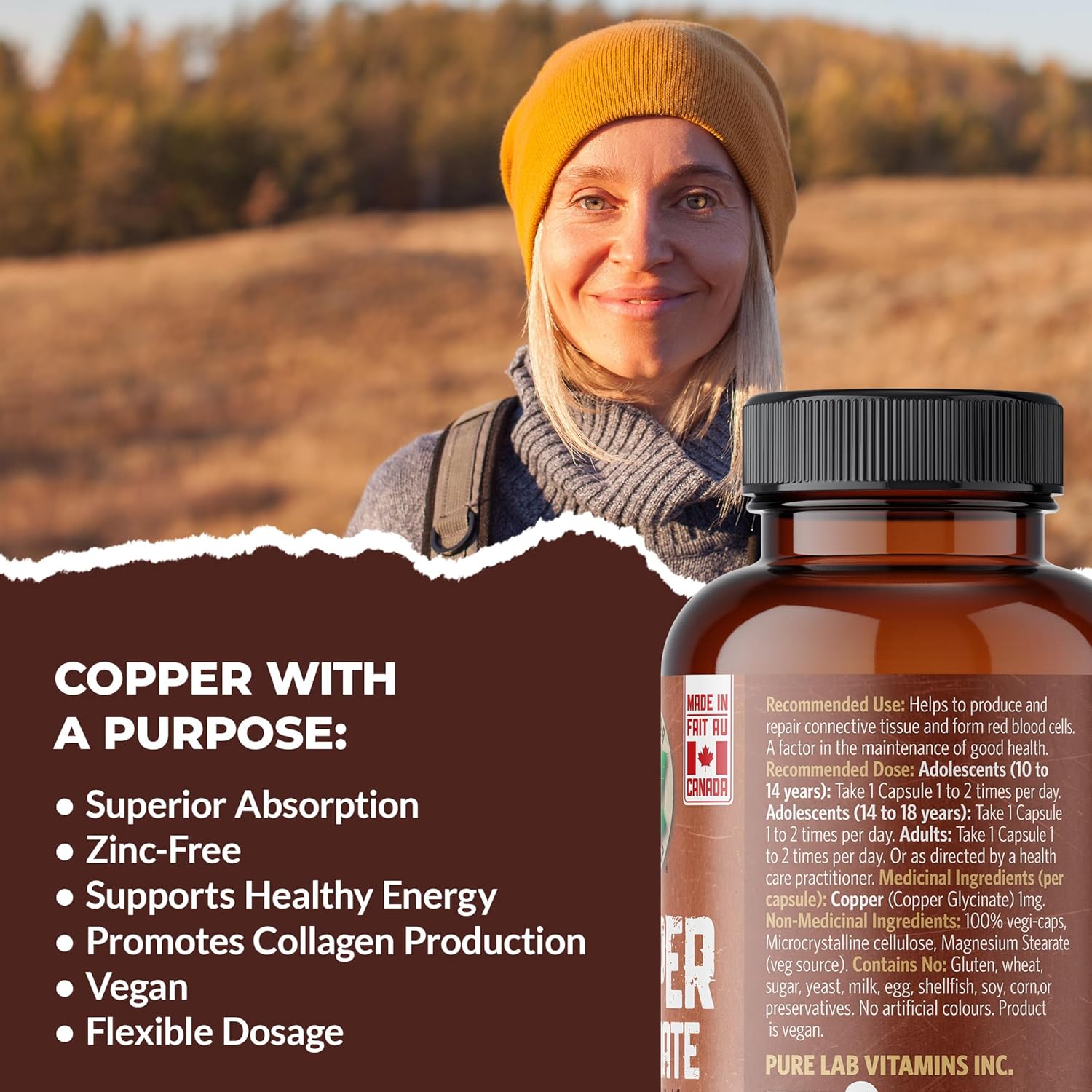
Pure Lab Vitamins Copper Glycinate is formulated with nature’s smallest essential
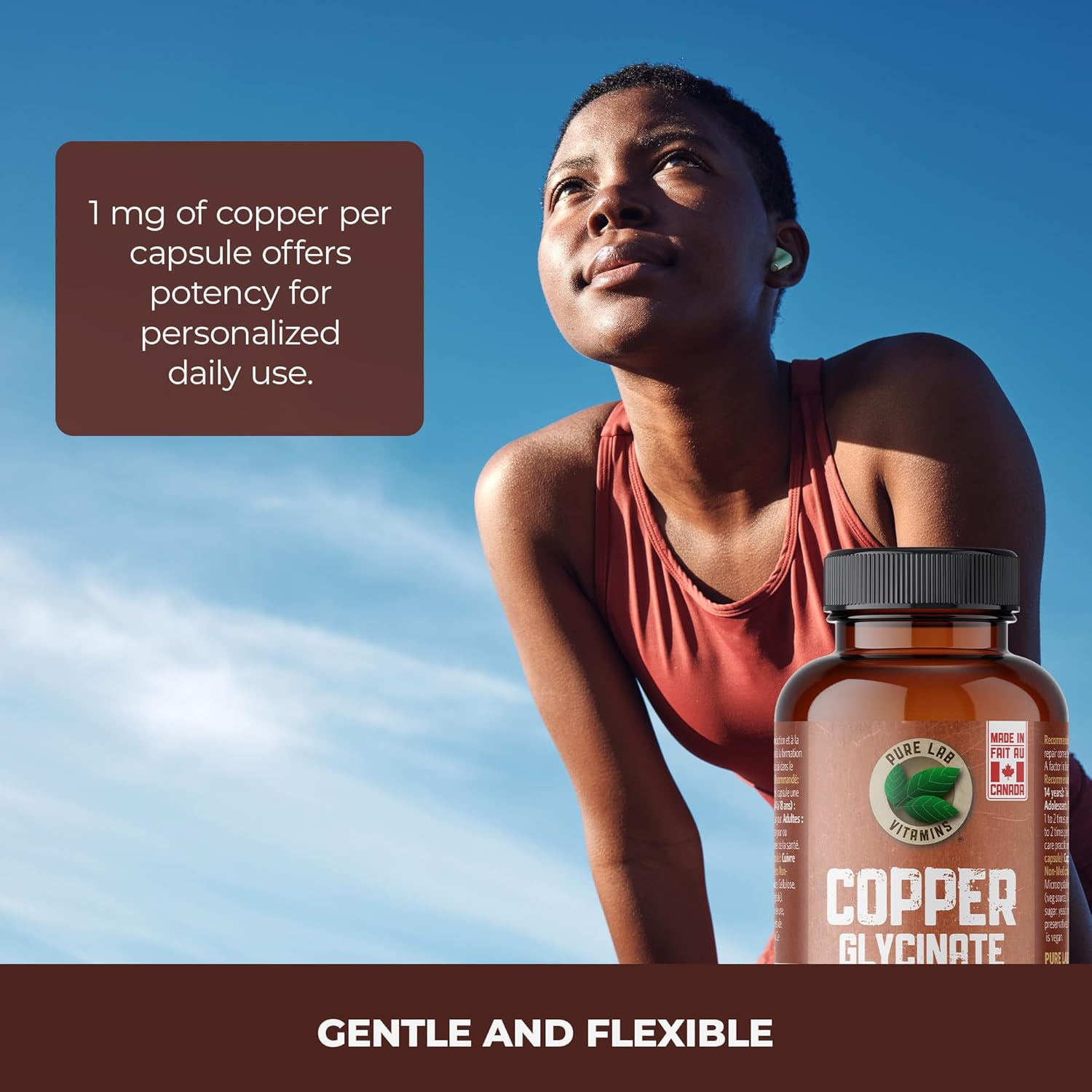
amino acid, glycine, for optimal absorption from the gut into the bloodstream. At just 1 milligram per
capsule, it provides flexibility. Individuals with diagnosed copper deficiency can take two capsules daily.
Copper in the 1 milligram dosage can also safely be used alongside zinc supplementation in the proper ratio
in individuals whose trace minerals need replenishment—without the concern of overshooting the goal of
topping up the levels of either one.
References
Arredondo M, Martínez R, Núñez MT, Ruz M, Olivares M. Inhibition of iron and copper uptake by iron, copper and
zinc. Biol Res. 2006;39(1):95-102.
Cleveland Clinic. Wilson Disease. Accessed online February 3,
2023.
Duncan A, Yacoubian C, Watson N, Morrison I. The risk of copper
deficiency in patients prescribed zinc supplements. J Clin Pathol. 2015 Sep;68(9):723-5.
Gadi Borkow. Using Copper to Improve the Well-Being of the
Skin. Curr Chem Biol. 2014 Aug; 8(2): 89–102.
Huff JD, Keung YK, Thakuri M, et al. Copper deficiency causes
reversible myelodysplasia.Am J Hematol. 2007 Jul;82(7):625-30.
Liu Y, Zhu J, Xu L, Wang B, Lin W, Luo Y. Copper regulation of immune response and potential implications for treating orthopedic
disorders. Front Mol Biosci. 2022;9:1065265.
Minich, Deanna. “Copper to Zinc: Achieving the Right Balance.”
Nov 6, 2017. Accessed online Feb. 3, 2023.
Uauy R1, Olivares M, Gonzalez M. Essentiality of copper in humans. Am J Clin Nutr. 1998
May;67(5 Suppl):952S-959S.
Rowin J, Lewis SL. Copper deficiency myeloneuropathy and pancytopenia secondary to
overuse of zinc supplementation. J Neurol Neurosurg Psychiatry. 2005;76(5):750-751.
What is Copper Glycinate?
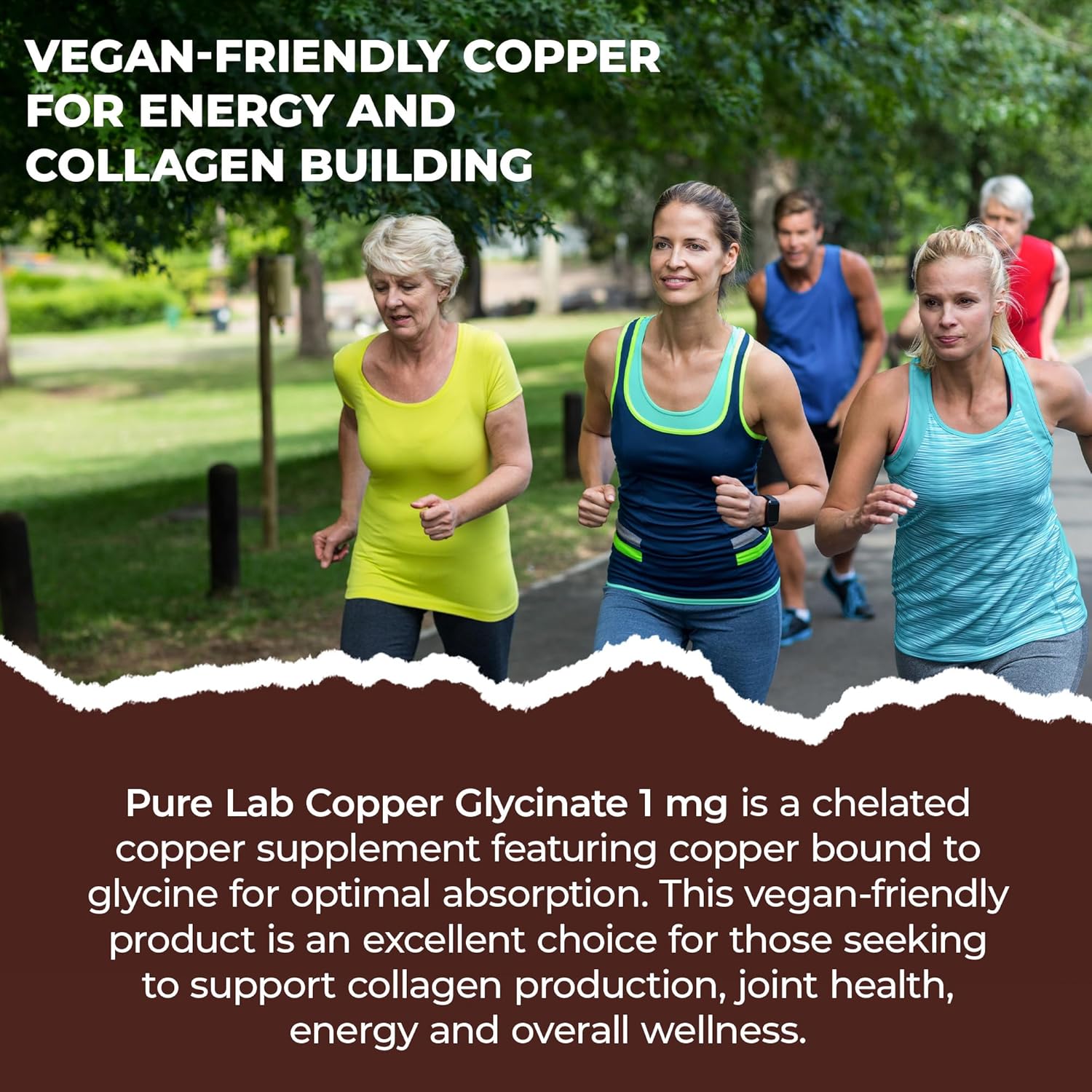
Answer: Copper glycinate is a chelated form of copper, where copper is bound to the amino acid glycine, because this form is more absorbable compared to other forms of copper.
How much elemental copper is in one capsule of Pure Lab’s Copper Glycinate?
Answer: Each capsule of Pure Lab’s Copper Glycinate contains 1 milligram of elemental copper.
Where is the copper in Pure Lab’s Copper Glycinate sourced from?
Answer: The copper in Pure Lab’s Copper Glycinate is sourced from mineral deposits.
What use is Pure Lab’s Copper Glycinate approved for?
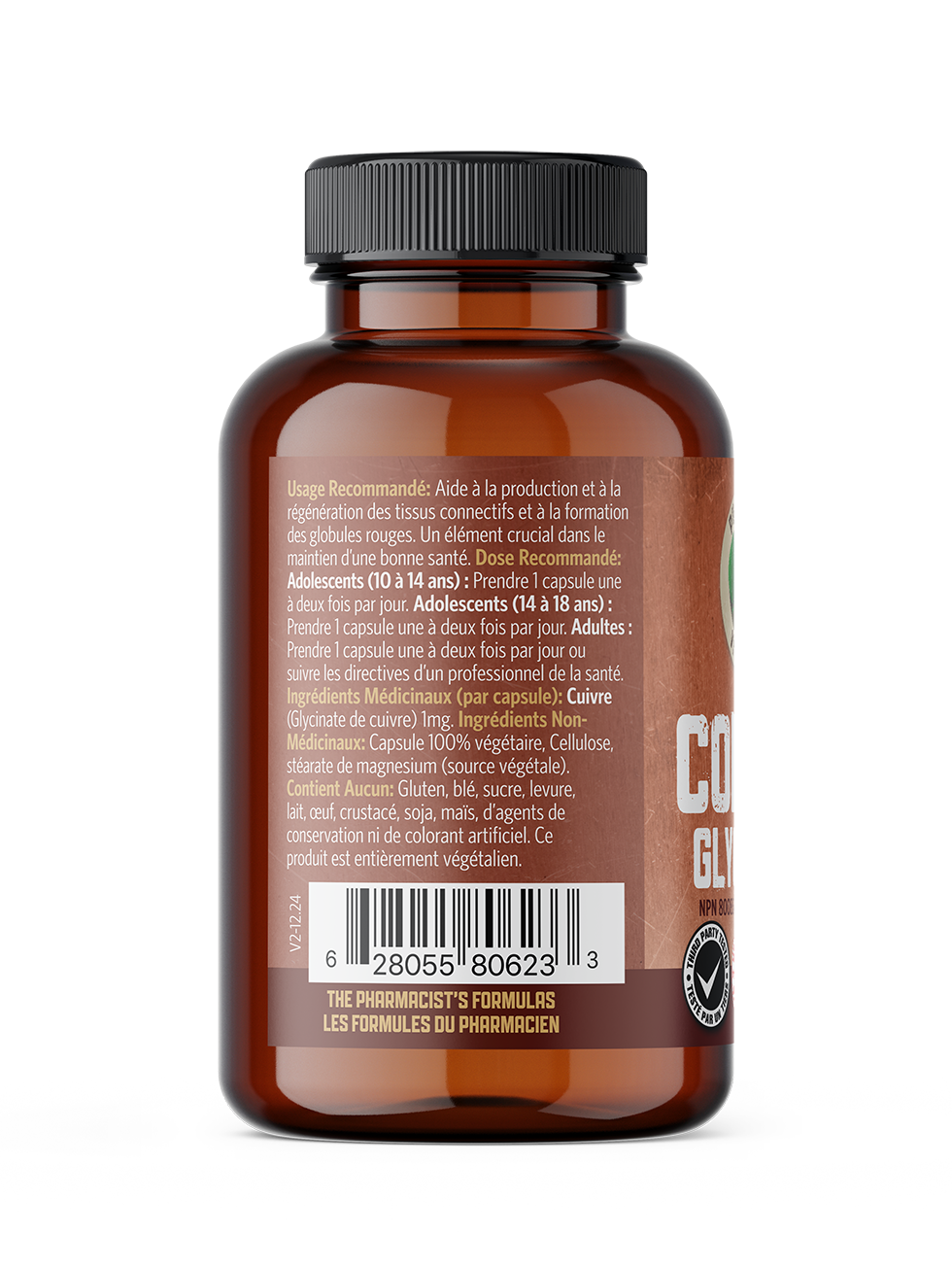
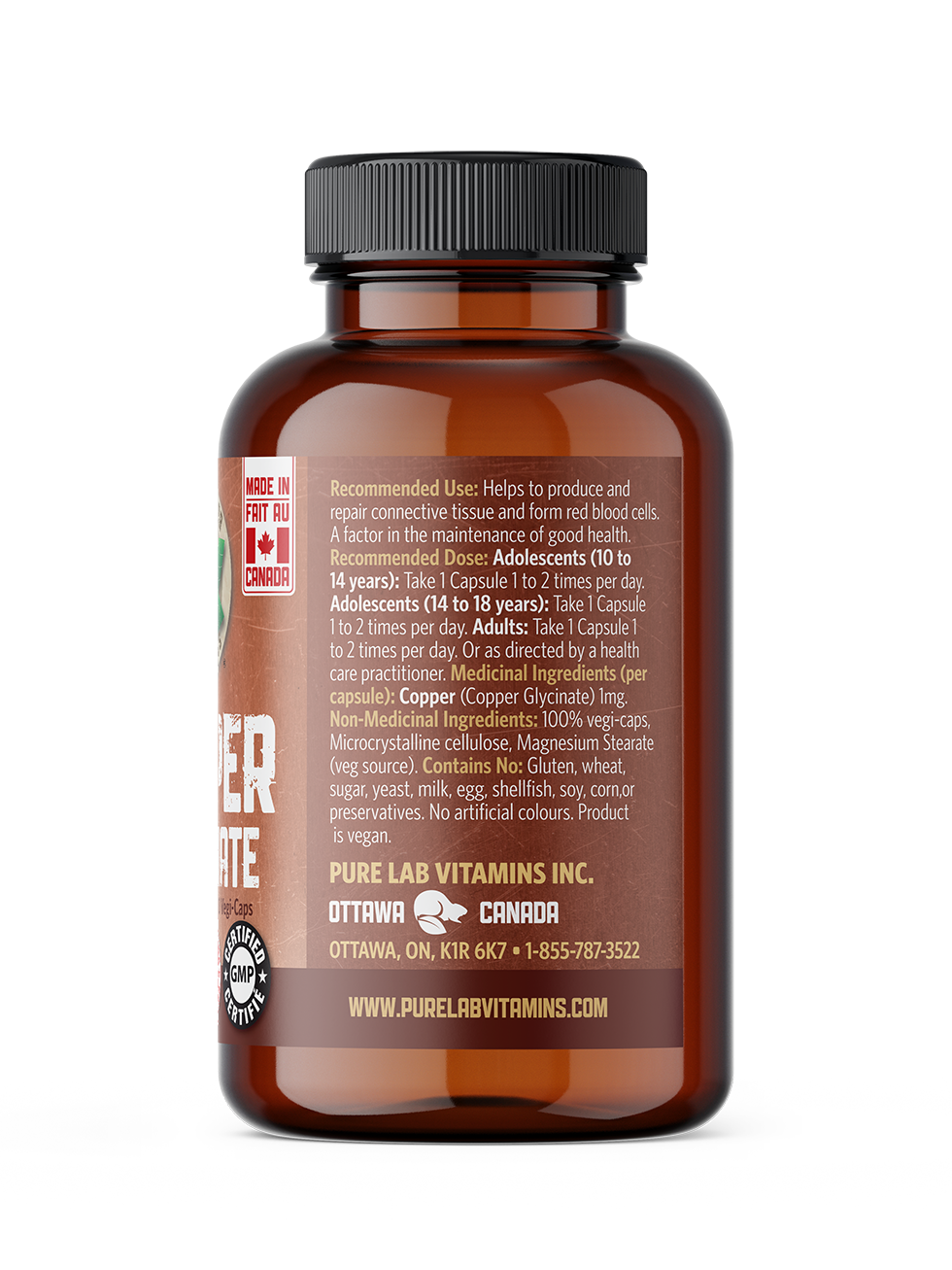
Answer: In Canada, the registered health claim for Pure Lab’s Copper Glycinate is “Helps to produce and repair connective tissue and form red blood cells. A factor in the maintenance of good health.”
Who might benefit from using Pure Lab’s Copper Glycinate?
Answer: Individuals who might benefit from taking Pure Lab’s Copper Glycinate include:
- Individuals taking high doses of supplementary zinc
-Those with high physical activity levels
-Those with anemia
-Those with low hemoglobin, despite normal ferritin levels.
- Individuals with Celiac disease and other malabsorption disorders
Does Pure Lab’s Copper Glycinate have any side effects?
Answer: No, Pure Lab’s Copper Glycinate does not have any known side effects when taken in the recommended dosage listed on the label.
Is Pure Lab’s Copper Glycinate vegan?
Answer: Pure Lab’s Copper Glycinate product contains no animal-sourced ingredients and is therefore vegan.
Can Pure Lab’s Copper Glycinate interact with other supplements and medications?
Answer: Copper can interact with certain medications and supplements. High doses of supplementary zinc can interfere with copper absorption. Certain medications like antacids and proton pump inhibitors (PPIs) can also reduce copper absorption. If you are taking any prescription medications consult with your pharmacist before using Pure Lab’s Copper Glycinate.
Is the copper glycinate in Pure Lab’s Copper Glycinate the same as ‘copper bisglycinate’?
Answer: Yes, Pure Lab’s Copper Glycinate is copper bisglycinate.
When should I take Pure Lab’s Copper Glycinate?
Answer: Pure Lab’s Copper Glycinate should be taken with food.
Is Pure Lab Vitamins a Canadian company?
Answer: Yes, Pure Lab Vitamins is proudly Canadian owned and operated. Our products are made in Canada.
Where is Pure Lab’s Copper Glycinate manufactured?
Answer: Pure Lab’s Copper Glycinate is manufactured in Canada using high-quality domestic and imported ingredients.
Is Pure Lab’s Copper Glycinate made in a GMP-certified facility?
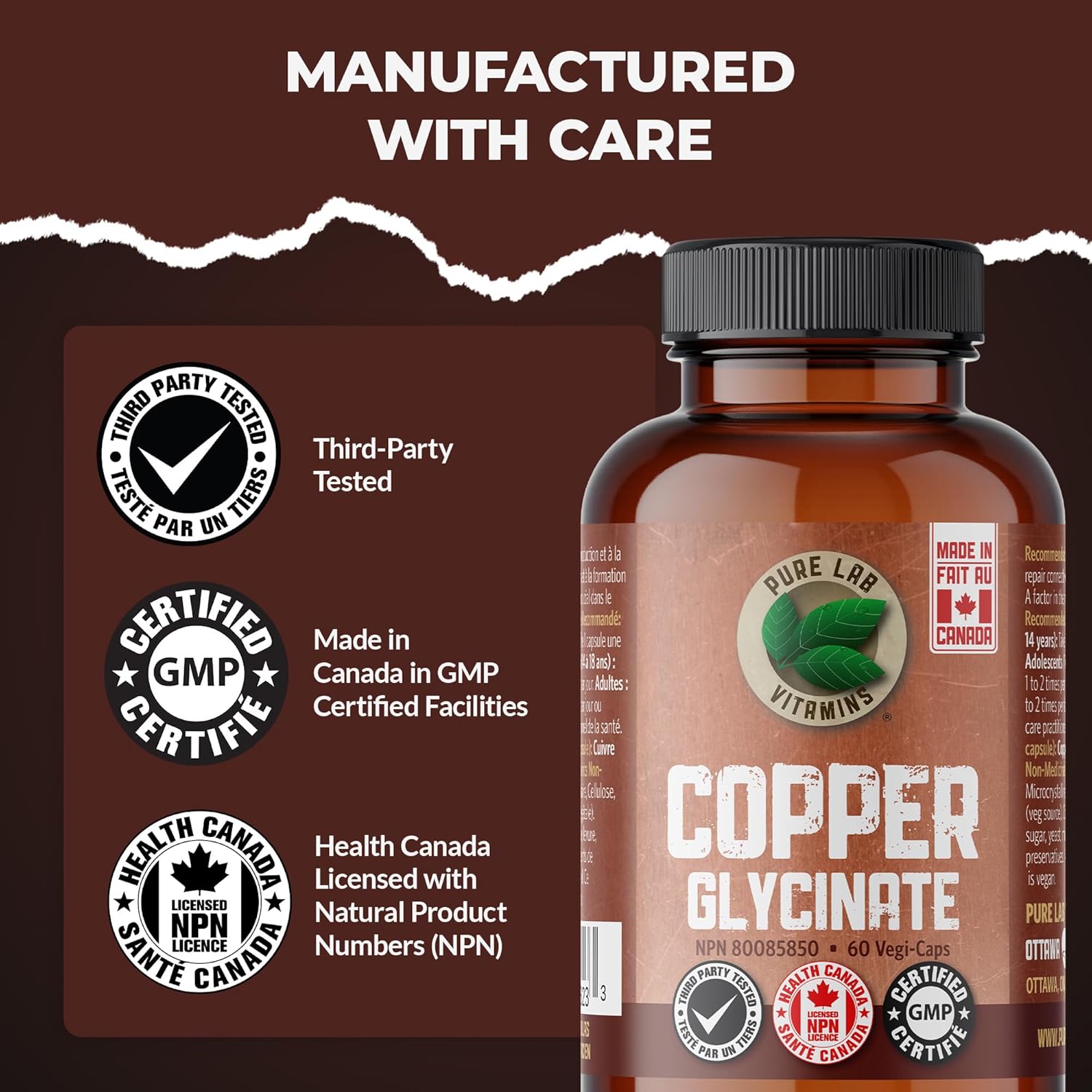
Answer: Yes, Pure Lab’s Copper Glycinate is made in a GMP-certified facility.
Is Pure Lab’s Copper Glycinate third-party tested?
Answer: Yes, Pure Lab’s Copper Glycinate is third-party tested. Our raw materials and finished goods are always tested by ISO-certified labs.


 Magnesium Glycinate 100 mg
 Magnesium Glycinate Fully Reacted 100 mg
 Magnesium Glycinate 165 mg
 Magnesium Glycinate Raspberry-Lemon Powder Mix
 Magnesium Glycinate + L-Theanine
 Magnesium Glycinate +Taurine +CoQ10
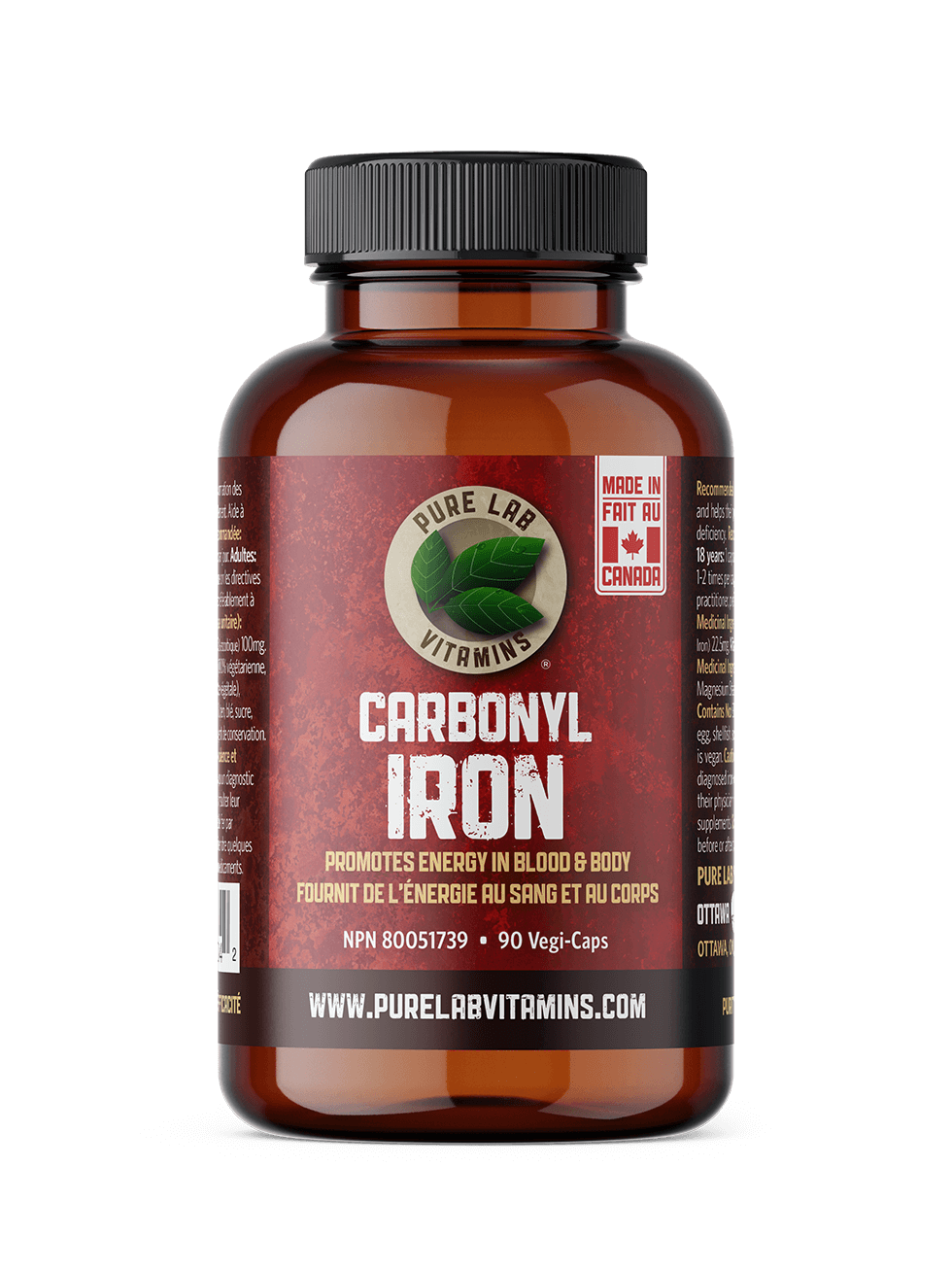 Carbonyl Iron 22.5 MG
 Zinc Glycinate 23 MG
 Copper Glycinate 1 MG
 Selenomethionine 200 MCG
 Calcium Hydroxyapatite
 Bioactive B Complex
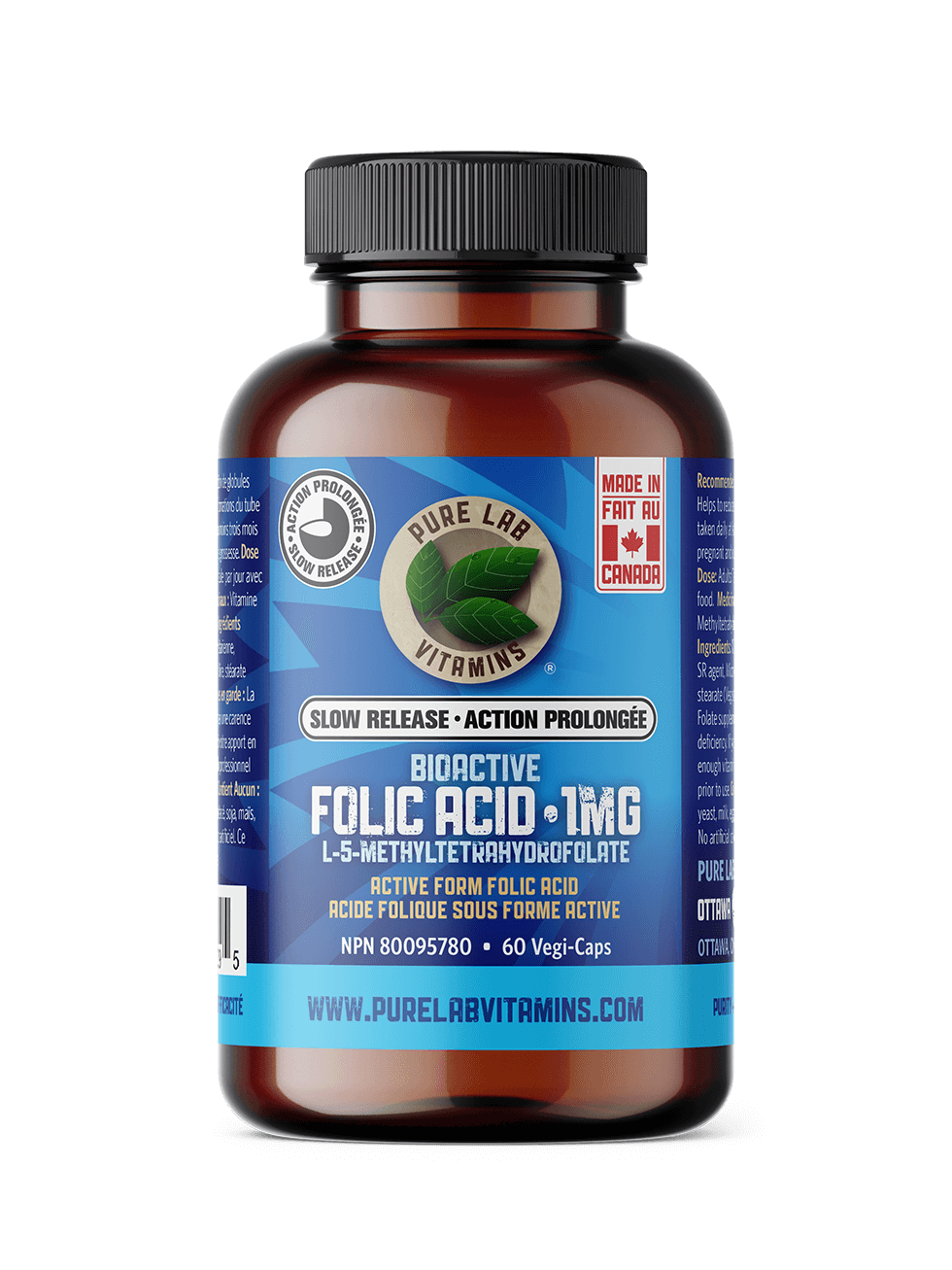 Bioactive Folic Acid 1 MG
 Bioactive B6 (PYRIDOXAL-5-PHOSPHATE) 50 MG
 Bioactive B12 1000 MCG
 Bioactive B12 5000 MCG
 NADH SR 20 MG
 NADH + Ubiquinol
 Vitamin K2-MK7 120 MCG
 NAC 600 MG
 L-THEANINE 250 MG
 L-THEANINE SLOW RELEASE 200 MG
 L-THEANINE CHEWABLES 125 MG
 L-Glutamine Capsules
 L-Glutamine Powder
 Magnesium Butyrate
 DIM
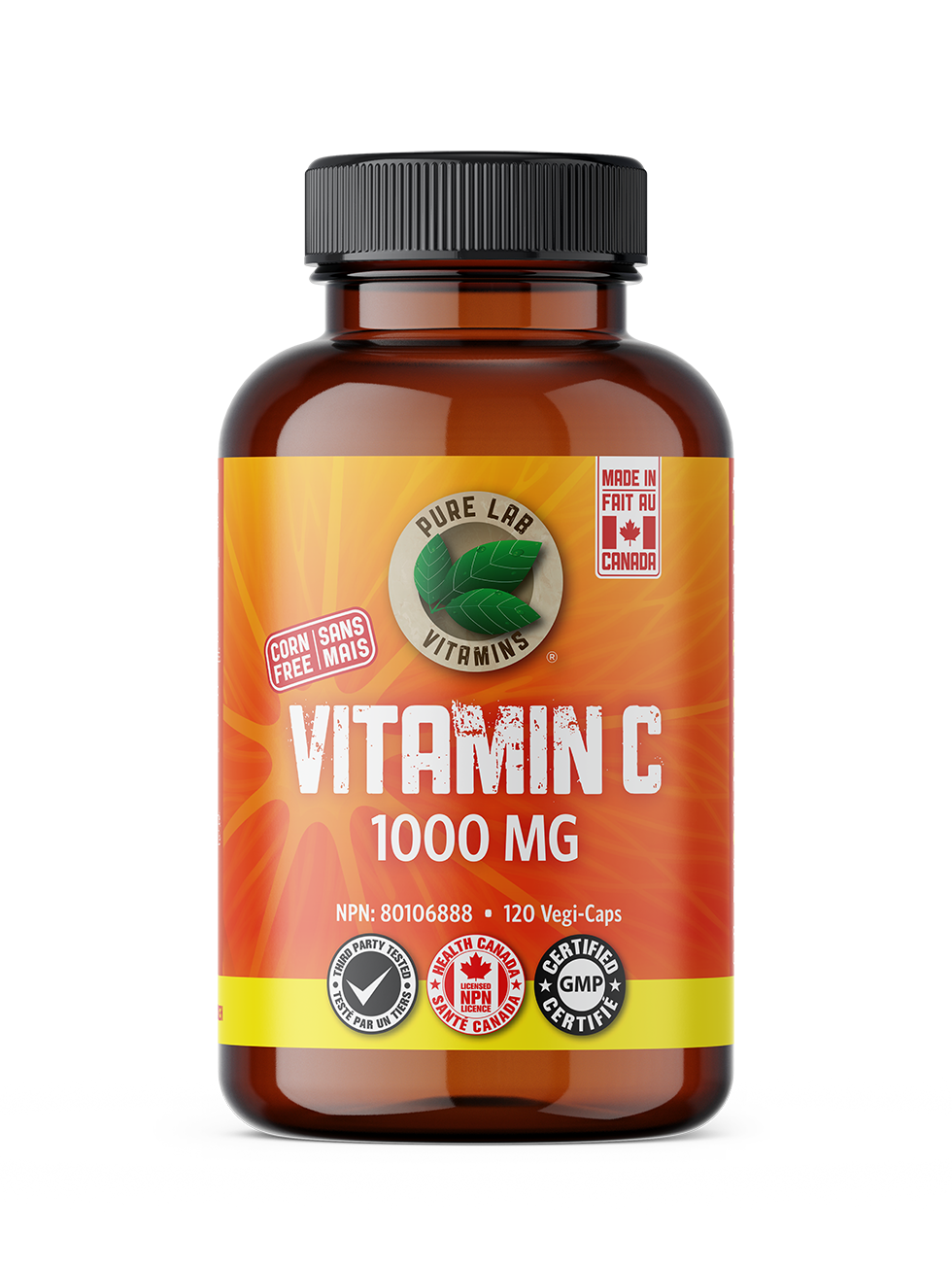
DIM Vitamin C 1000 MG
 Vitamin C Slow Release 1000MG
 Vitamin C Powder
 Vitamin D3 1000IU
 Vitamin D3 2500IU
 Vegan Vitamin D3 1000IU
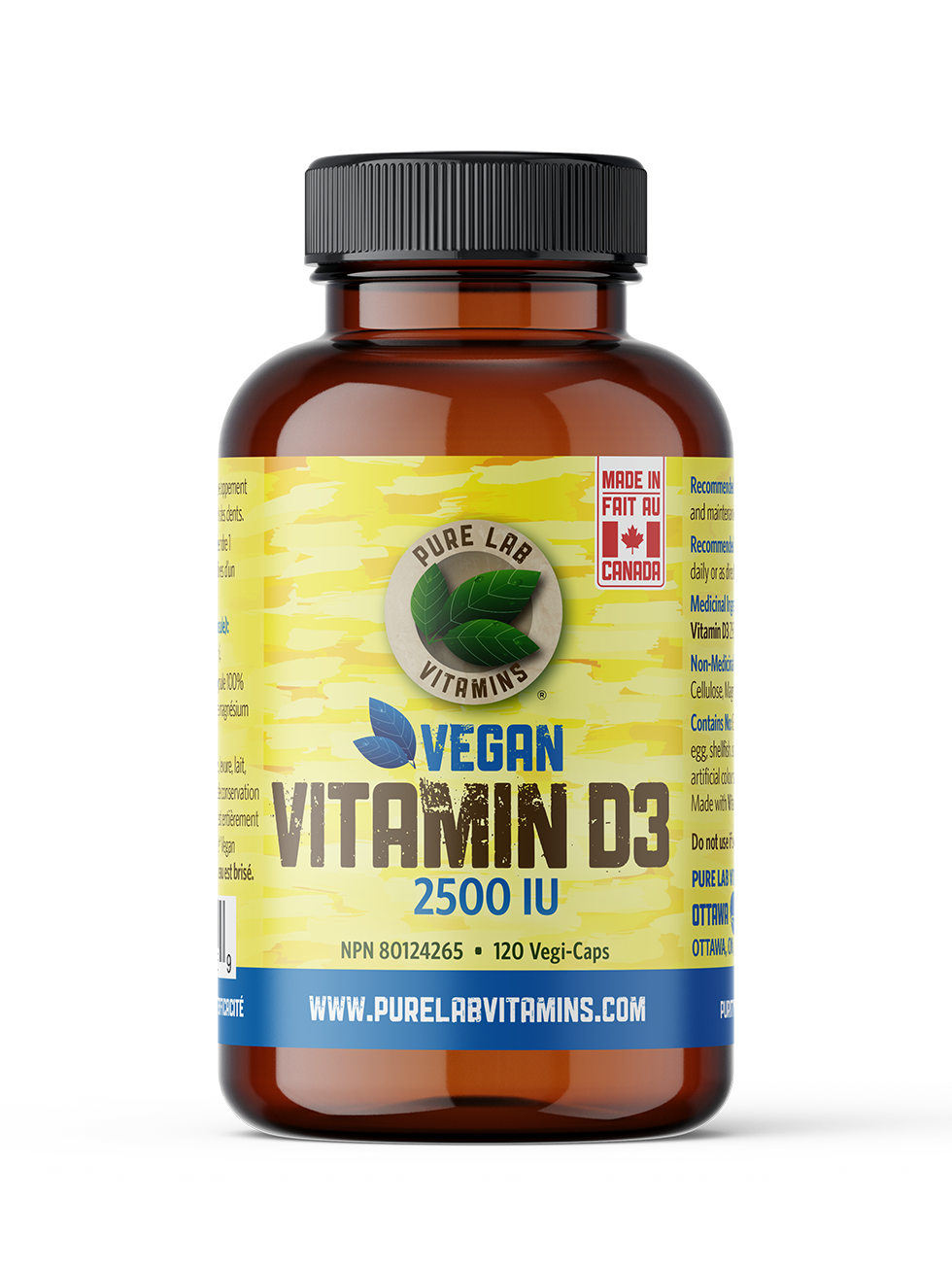 Vegan Vitamin D3 2500IU
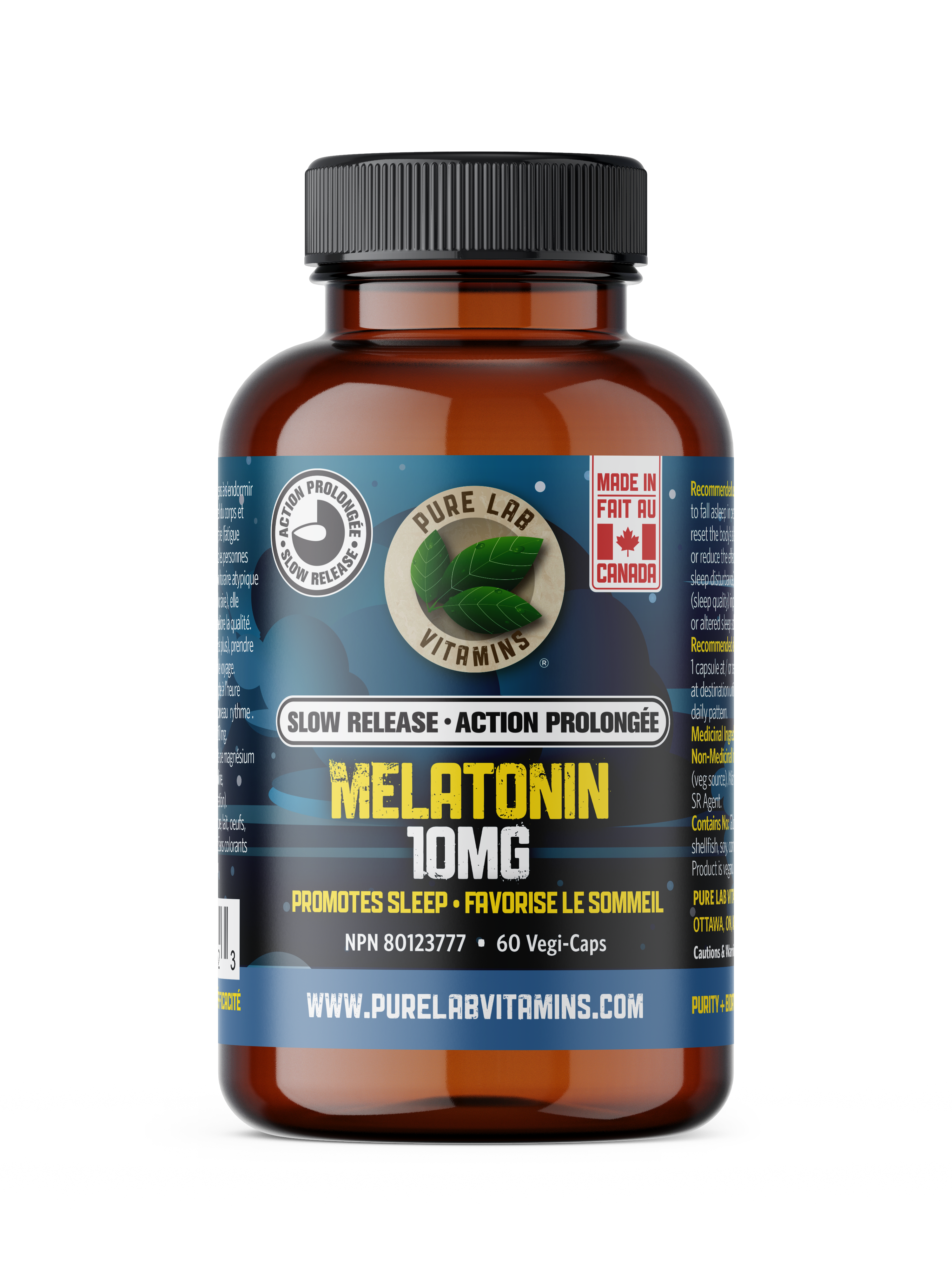 Slow Release Melatonin 10 MG
.png) Magnesium Glycinate +Melatonin
Magnesium Glycinate +Melatonin AlkaPure pH
 ThyroPure
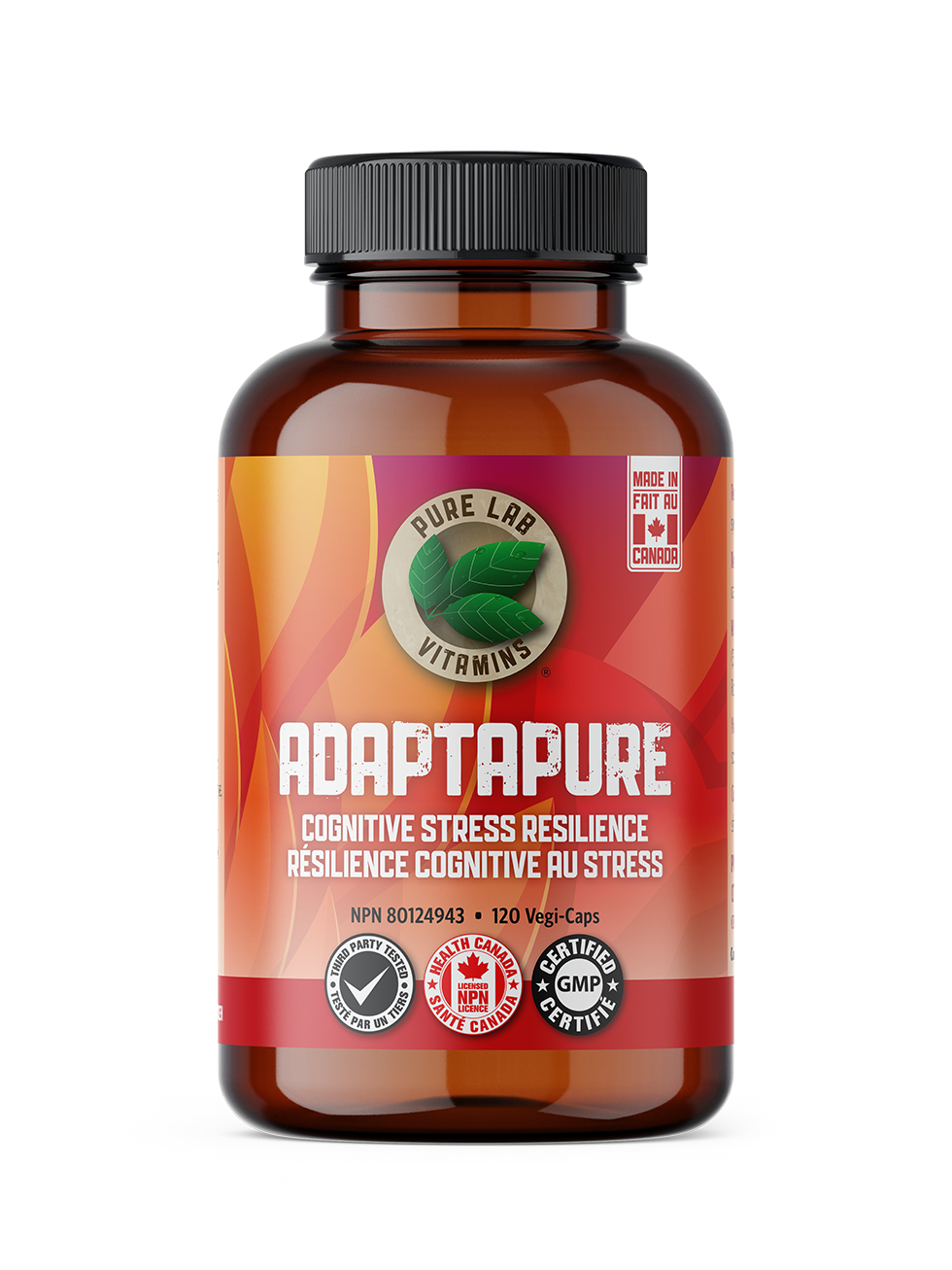 AdaptaPure
 Rhodiola
 UTI Pure 120s
 UTI Pure Powder





 WHAT'S HAPPENING AT PLV