Not only is vitamin C an antioxidant capable of neutralizing molecules that cause cellular damage; it serves to regenerate other antioxidant nutrients such as vitamin E.
Vitamin C is also vital to the immune system in its work against infectious microbes, and provides natural allergy support by regulating histamine. It’s necessary for bile production, which is important in the digestion of fats. Vitamin C is also key for the production of the neurotransmitters responsible for how we feel and function. These are just a few of the many essential functions of vitamin C.
Did you know we’re one of the few species that cannot manufacture our own ascorbic acid? Although most fresh fruits and vegetables are a good source, vitamin C is one of the least heat-stable vitamins and can be destroyed during cooking and improper storage. Add to this fact that vitamin C cannot be stored by the body for later use since it’s a water-soluble vitamin. This makes daily replenishment necessary to avoid development of deficiency symptoms.
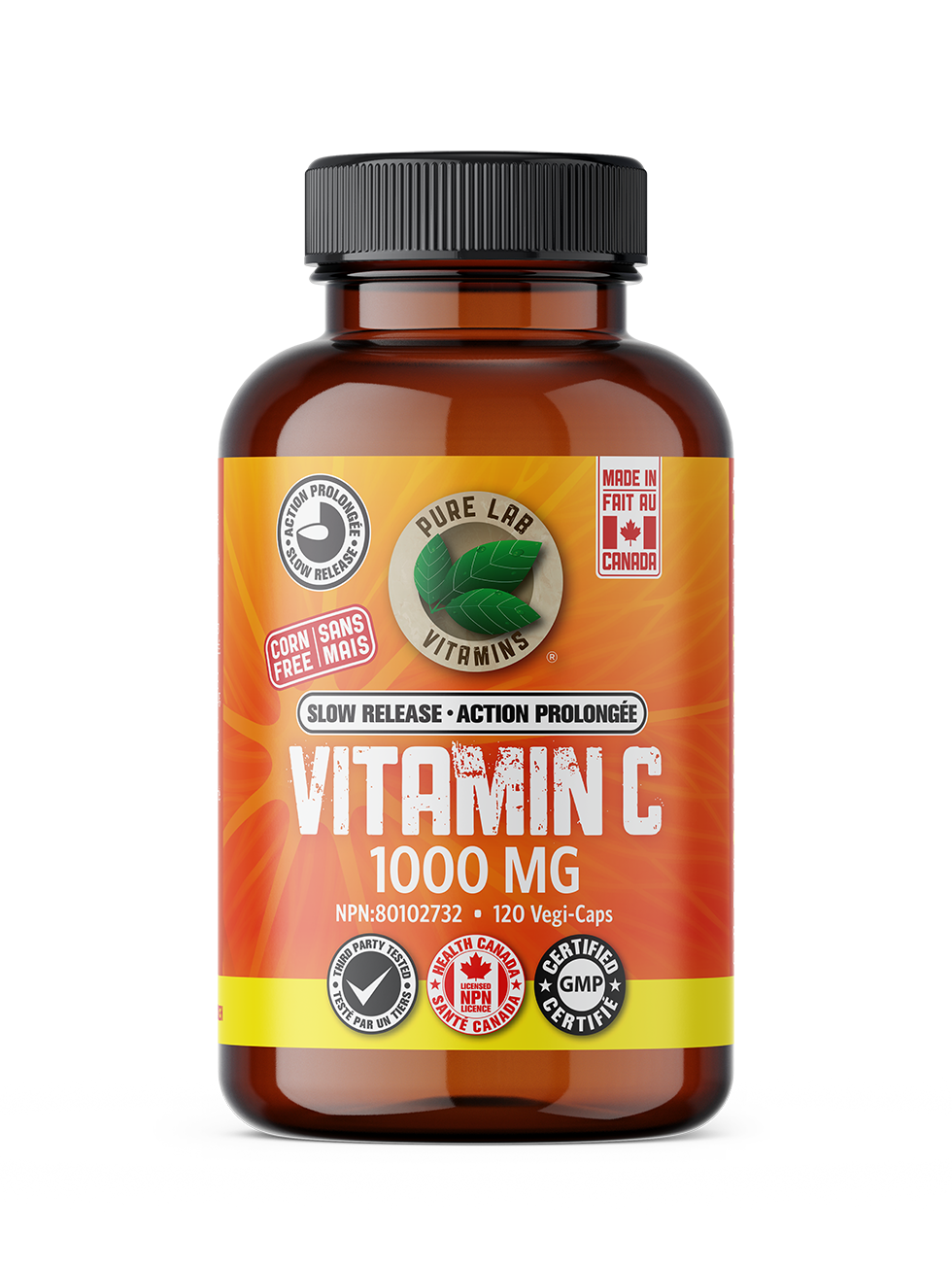
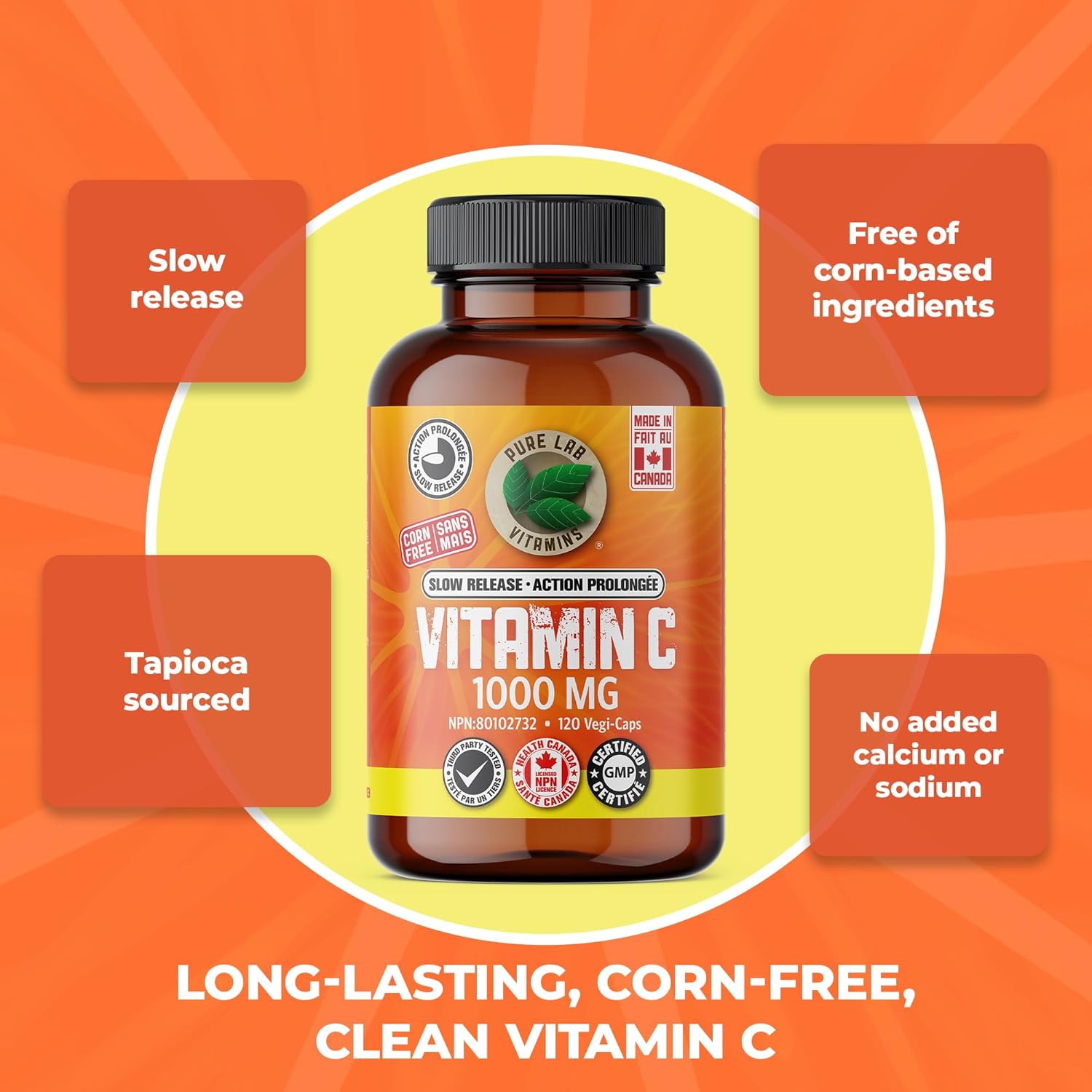
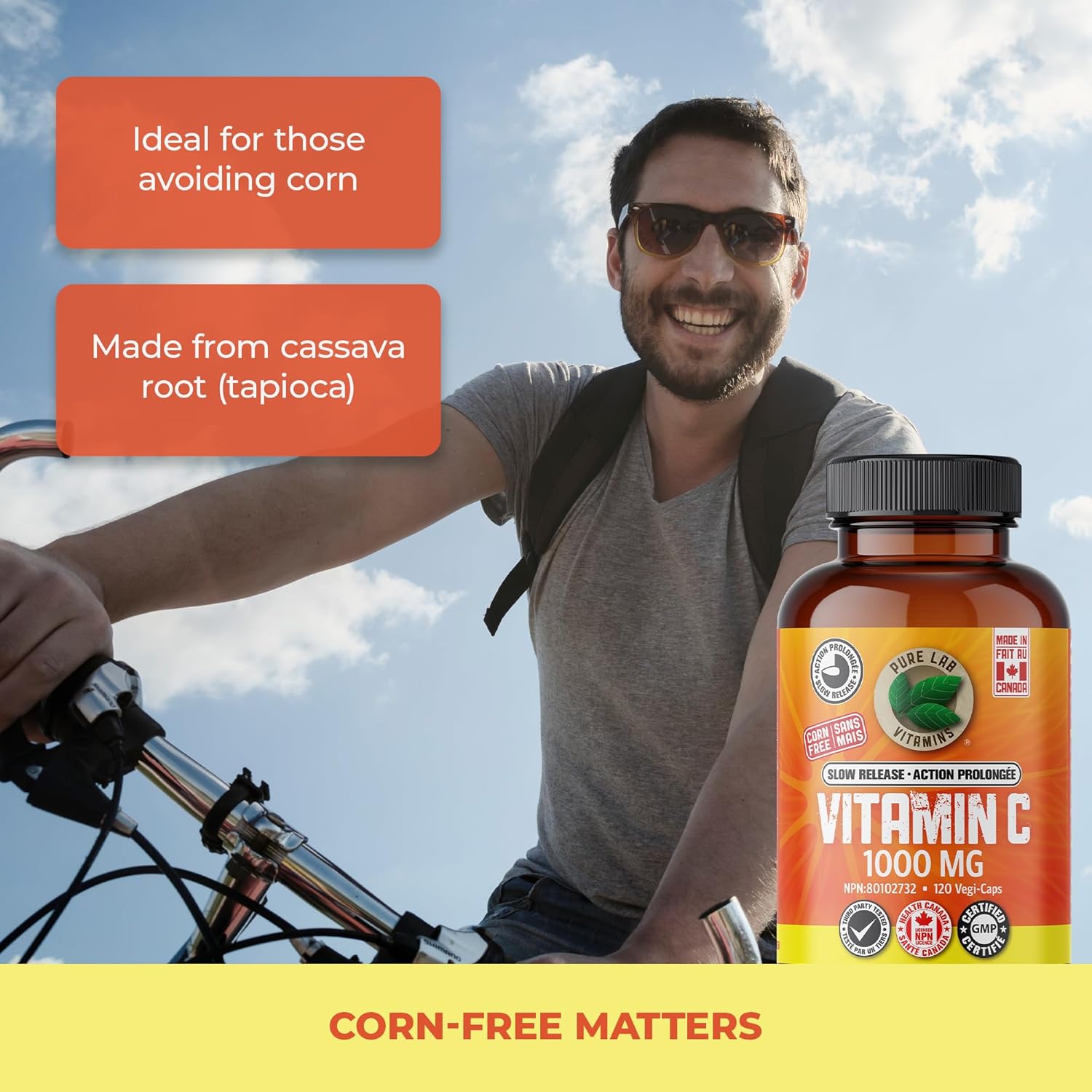
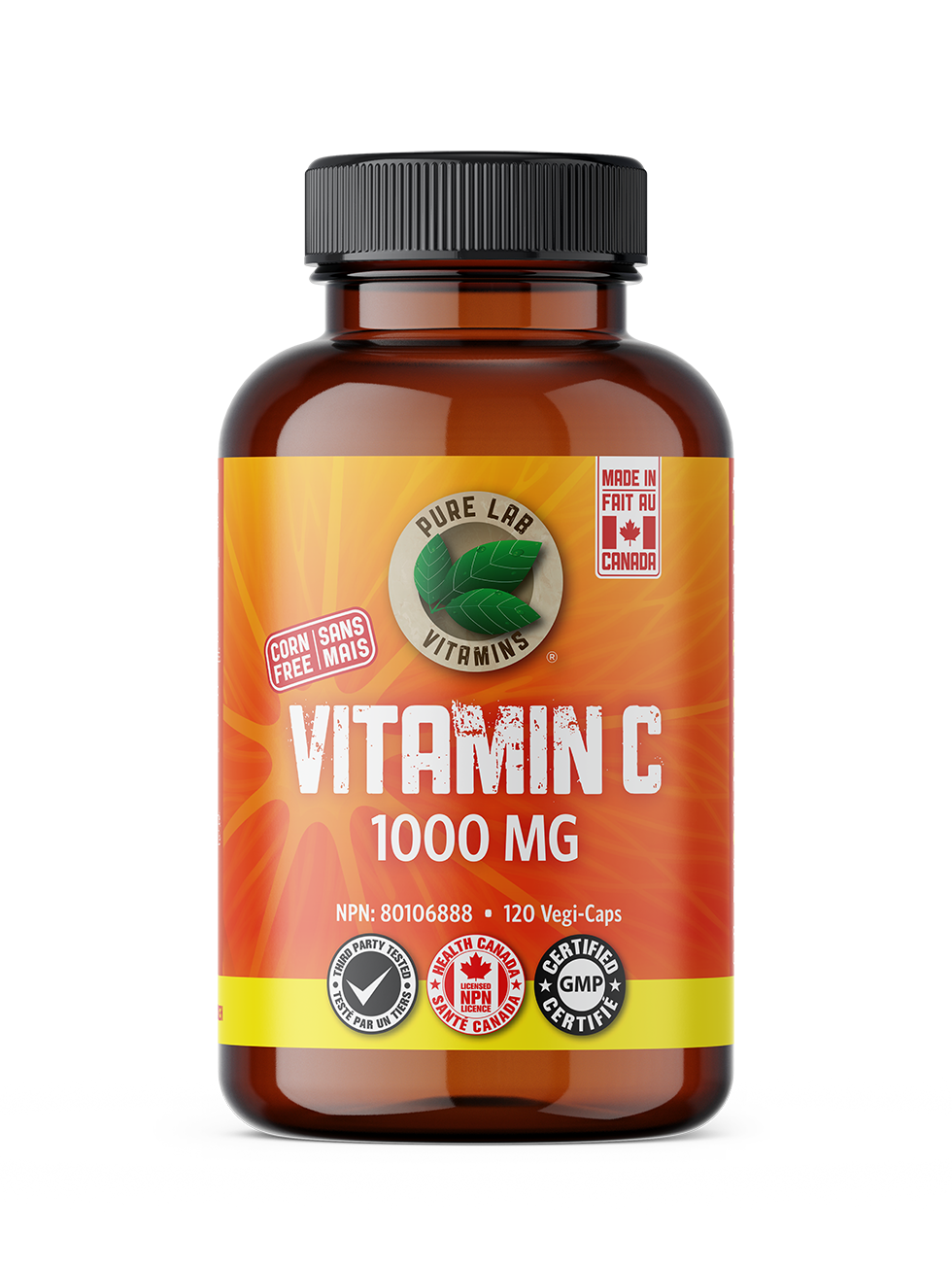
Pure Lab’s Vitamin C are 100% corn-free. Instead, they’re manufactured using tapioca--the starch of the cassava root.
Our Slow Release Vitamin C 1000-milligram capsules are designed to release vitamin C steadily throughout your day, maintaining blood levels for longer-lasting benefits. This is a great way to extend the benefits of water-soluble nutrients like vitamin C because the body can’t store these for any length of time.
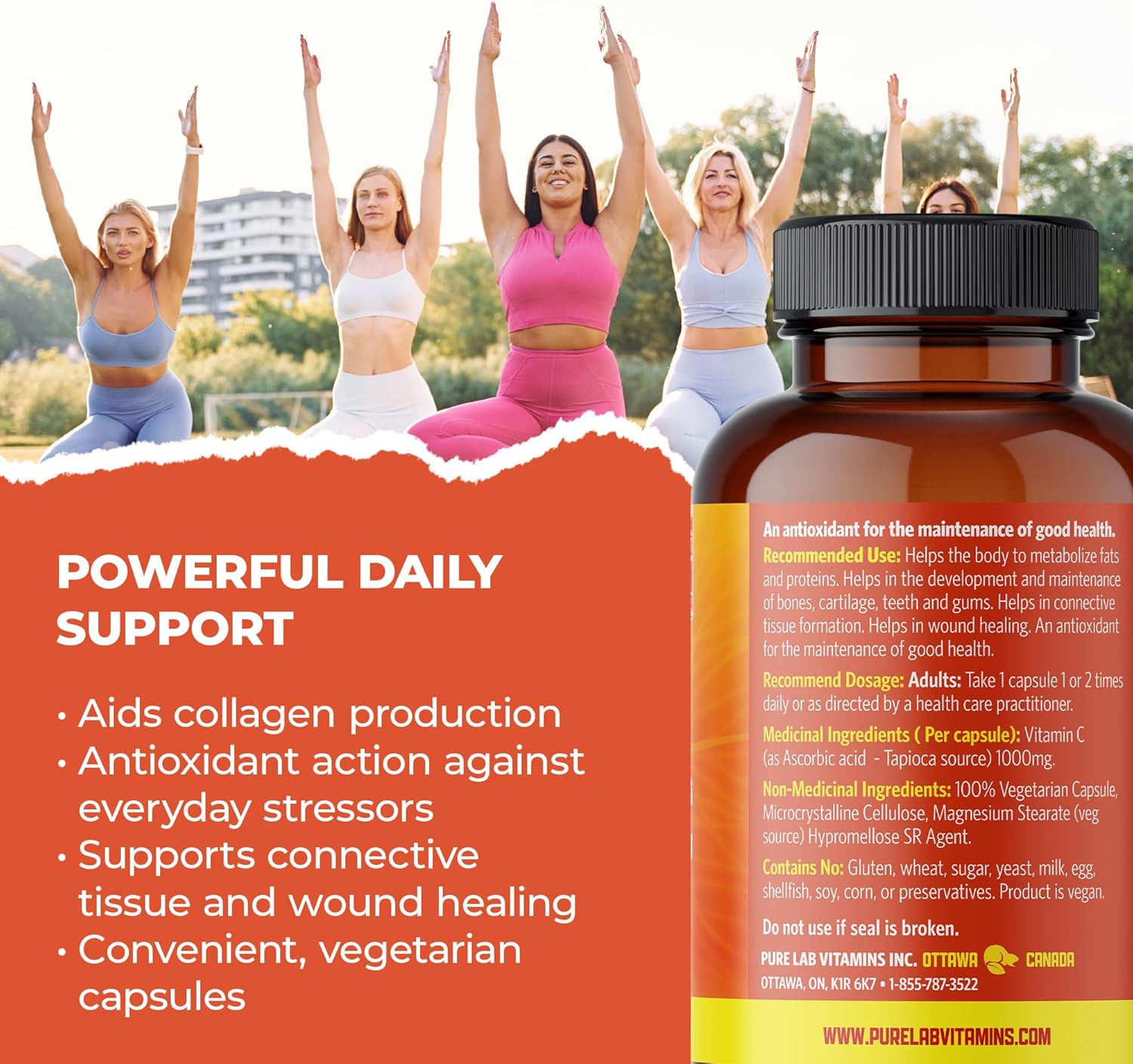
Pure Lab’s Vitamin C products can be taken once or twice daily. When recommended by your Naturopathic Doctor, Pure Lab’s Vitamin C can also be used as a vitamin C flush protocol to promote detoxification, or as an oral adjunct to intravenous-vitamin C treatments.
Adcox, Mariah. “6 nutrition facts about tapioca”. Medical News Today, October 24, 2019.
Basili S, Tanzilli G, Mangieri E, et al. Intravenous ascorbic acid infusion improves myocardial perfusion grade during elective percutaneous coronary intervention: relationship with oxidative stress markers. JACC Cardiovasc Interv. 2010;3(2):221-229.
Choi HK, Gao X, Curhan G. Vitamin C intake and the risk of gout in men: a prospective study. Arch Intern Med. 2009;169(5):502-507.
German Nutrition Society (DGE). New Reference Values for Vitamin C Intake. Ann Nutr Metab. 2015;67(1):13-20.
Ginter E. Cholesterol: vitamin C controls its transformation to bile acids. Science. 1973;179(4074):702-704.
Moritz B, Schmitz AE, Rodrigues ALS, Dafre AL, Cunha MP. The role of vitamin C in stress-related disorders. J Nutr Biochem. 2020;85:108459.
National Institutes of Health: Office of Dietary Supplements. Vitamin C: Fact Sheet for Health Professionals. Accessed online November 16, 2022.
Linus Pauling Institute Micronutrient Information Center: Oregon State University. Vitamin C.Accessed online November 16, 2022.
Poulsen RC, Carr AJ, Hulley PA. Protection against glucocorticoid-induced damage in human tenocytes by modulation of ERK, Akt, and forkhead signaling. Endocrinology. 2011;152(2):503-514.
Tada A, Miura H. The Relationship between Vitamin C and Periodontal Diseases: A Systematic Review. Int J Environ Res Public Health. 2019;16(14):2472. Published 2019 Jul 11.
Tessier F, Moreaux V, Birlouez-Aragon I, Junes P, Mondon H. Decrease in vitamin C concentration in human lenses during cataract progression. Int J Vitam Nutr Res. 1998;68(5):309-315.
Teucher B, Olivares M, Cori H. Enhancers of iron absorption: ascorbic acid and other organic acids. Int J Vitam Nutr Res. 2004;74(6):403-419.
Why is Pure Lab’s Slow Release Vitamin C ‘corn-free’?
Answer: Many individuals report intolerance to products made from corn. The corn used in the manufacturing of the vast majority of vitamin C supplements is genetically-modified.
What is Pure Lab’s Slow Release Vitamin C sourced from?
Answer: Pure Lab’s Vitamin C is synthesized using tapioca - - the starch of the cassava root. In comparison to corn, tapioca is reported to have a very low rate of allergenicity and is generally non-GMO.
Why is Pure Lab’s Slow Release Vitamin C a slow-release product?
Answer: Like all ascorbic acid preparations, Pure Lab’s Vitamin C is water-soluble. This means the body cannot store it for any length of time. Using Pure Lab’s Slow Release Vitamin C extends the benefits of vitamin C for a longer period of time, for up to 5 hours---meaning less frequent doses are needed to maintain blood vitamin C levels.
How long do the effects of Pure Lab’s Slow Release Vitamin C last?
Answer: On average, an individual can expect to maintain serum (blood) vitamin levels from 1 dose of our Slow Release Vitamin C over a period of 4 to 5 hours. However, individual experiences vary based on diet and metabolic differences.
Which ingredient in Pure Lab’s Slow Release Vitamin C is responsible for the slow-release effect and how does it work?
Answer: The ingredient in Pure Lab’s Slow Release Vitamin C responsible for the slow-release effect is hypromellose SR. This is a fiber derived from the pulp of the poplar or birch tree. The hypromellose SR is mixed with the ingredients within the capsule so that it forms a gel upon contact with digestive fluids. This allows for a slower re
What is the recommended use for Pure Lab’s Slow Release Vitamin C?
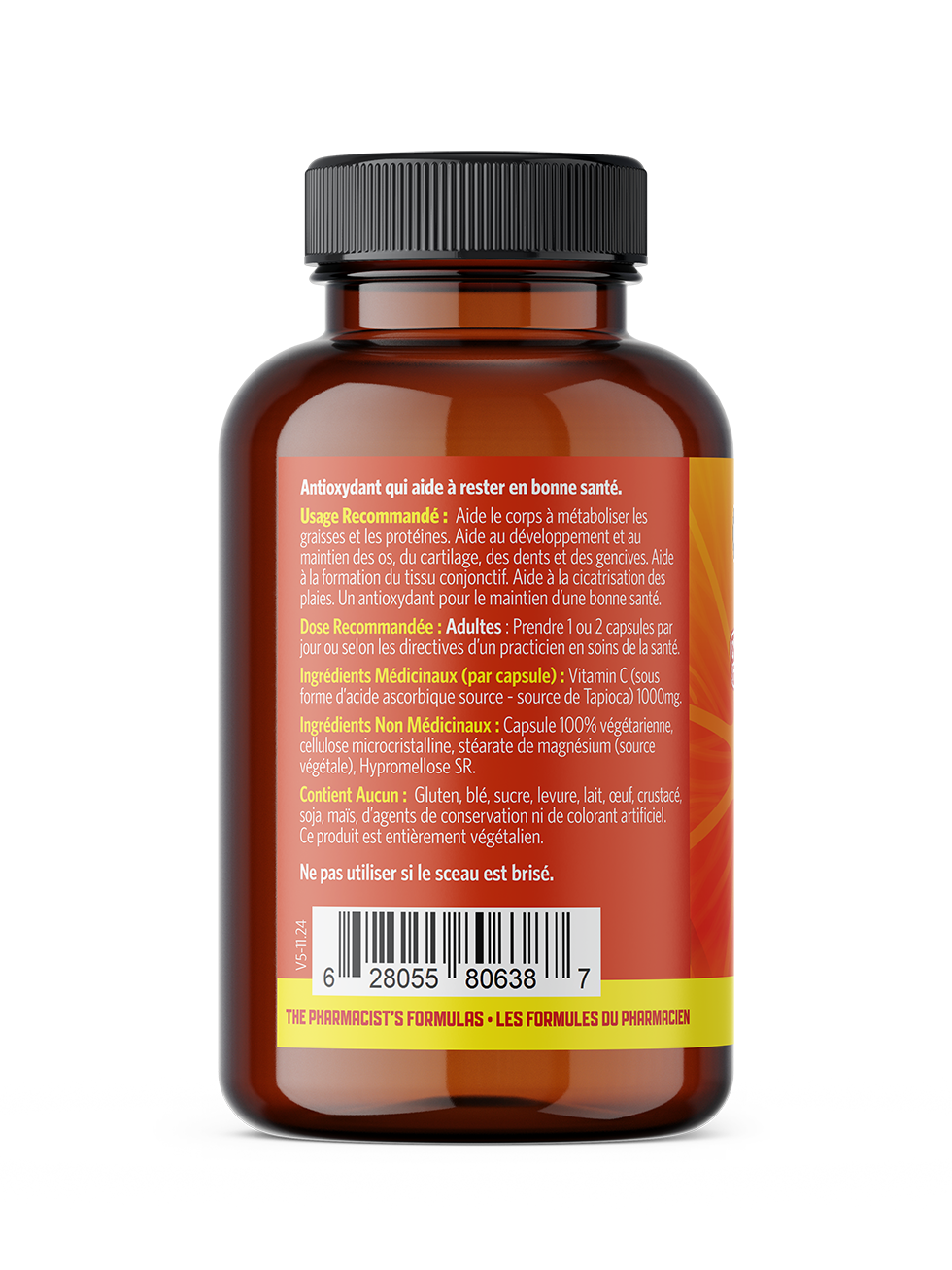
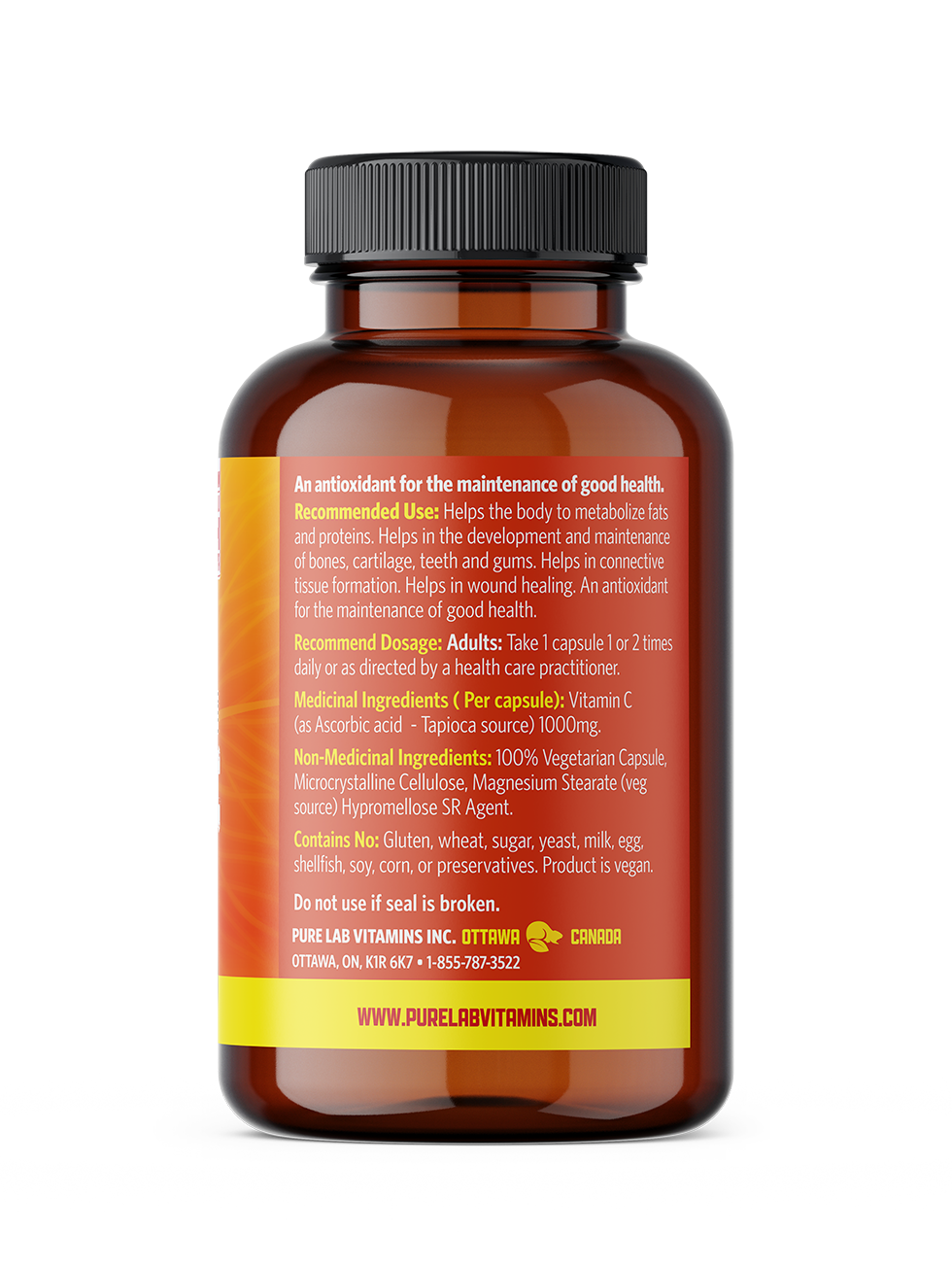
Answer: Pure Lab’s Slow Release Vitamin C helps in the development and maintenance of bones, cartilage, teeth and gums, aids connective tissue formation and wound healing, and helps the body metabolize fats and proteins. It is also an antioxidant for the maintenance of good health.
Is the vitamin C in Pure Lab’s Slow Release Vitamin C the same as ascorbic acid?
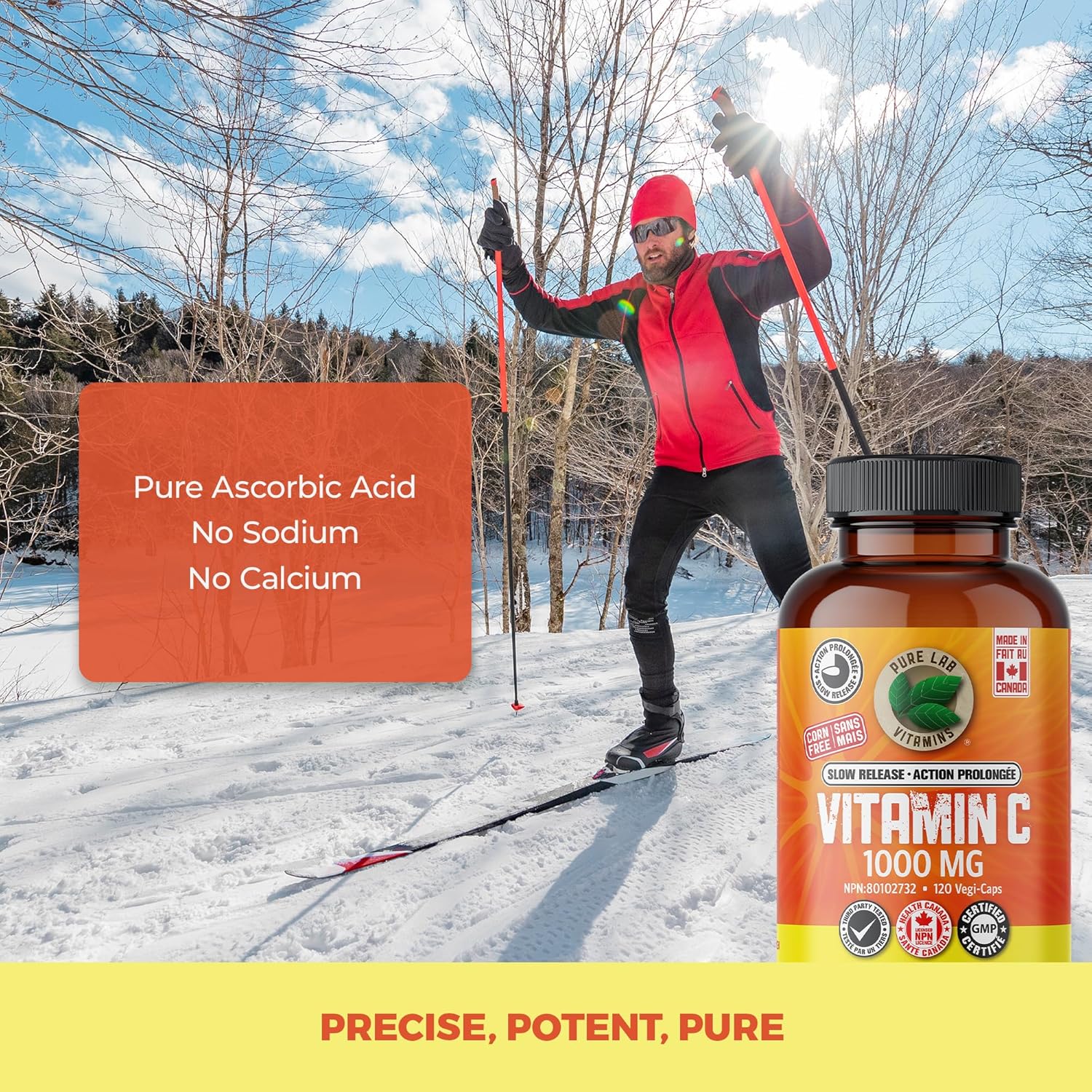
Answer: The scientific name for Vitamin C is ‘ascorbic acid’. Pure Lab’s Slow Release Vitamin C contains ascorbic acid.
Why is Pure Lab’s Slow Release Vitamin C not buffered?
Answer: Vitamin C (ascorbic acid) is a weak acid that may contribute to the absorption of essential minerals like calcium, iron and zinc. Buffered vitamin C preparations are pH-neutral (neither acidic nor alkaline), which does not aid the absorption of minerals to the same degree as acids.
Are there any side effects to be expected while using Pure Lab’s Slow Release Vitamin C?
Answer: Some individuals may experience a laxative effect when taking very large amounts of vitamin C. However, the Slow Release formulation may minimize this risk.
How often should I take Pure Lab’s Slow Release Vitamin C?
Answer: Like all ascorbic acid preparations, Pure Lab’s Slow Release Vitamin C is water-soluble. This means the body cannot store it for any length of time. For this reason, vitamin C must be replenished at least once daily or as directed by a health care practitioner to avoid deficiency symptoms.
Is there anyone who shouldn’t use Pure Lab’s Slow Release Vitamin C?
Answer: Individuals with active ulcer, gastritis should avoid using Pure Lab’s Slow Release Vitamin C without the advice of their primary health care practitioner.
I can’t swallow capsules. Can I open Pure Lab’s Slow Release Vitamin C capsules and just use the powdered contents?
Answer: Opening Pure Lab’s Slow Release Vitamin C capsules will compromise the slow-release benefits of the product. If you’re not able to swallow capsules, we recommend using our Pure Lab’s Vitamin C Powder instead.
Is Pure Lab Vitamins a Canadian company?
Answer: Yes, Pure Lab Vitamins is proudly Canadian owned and operated. Our products are made in Canada.
Where is Pure Lab’s Slow Release Vitamin C manufactured?
Answer: Pure Lab’s Slow Release Vitamin C is manufactured in Canada using high-quality domestic and imported ingredients.
Is Pure Lab’s Slow Release Vitamin C made in a GMP-certified facility?
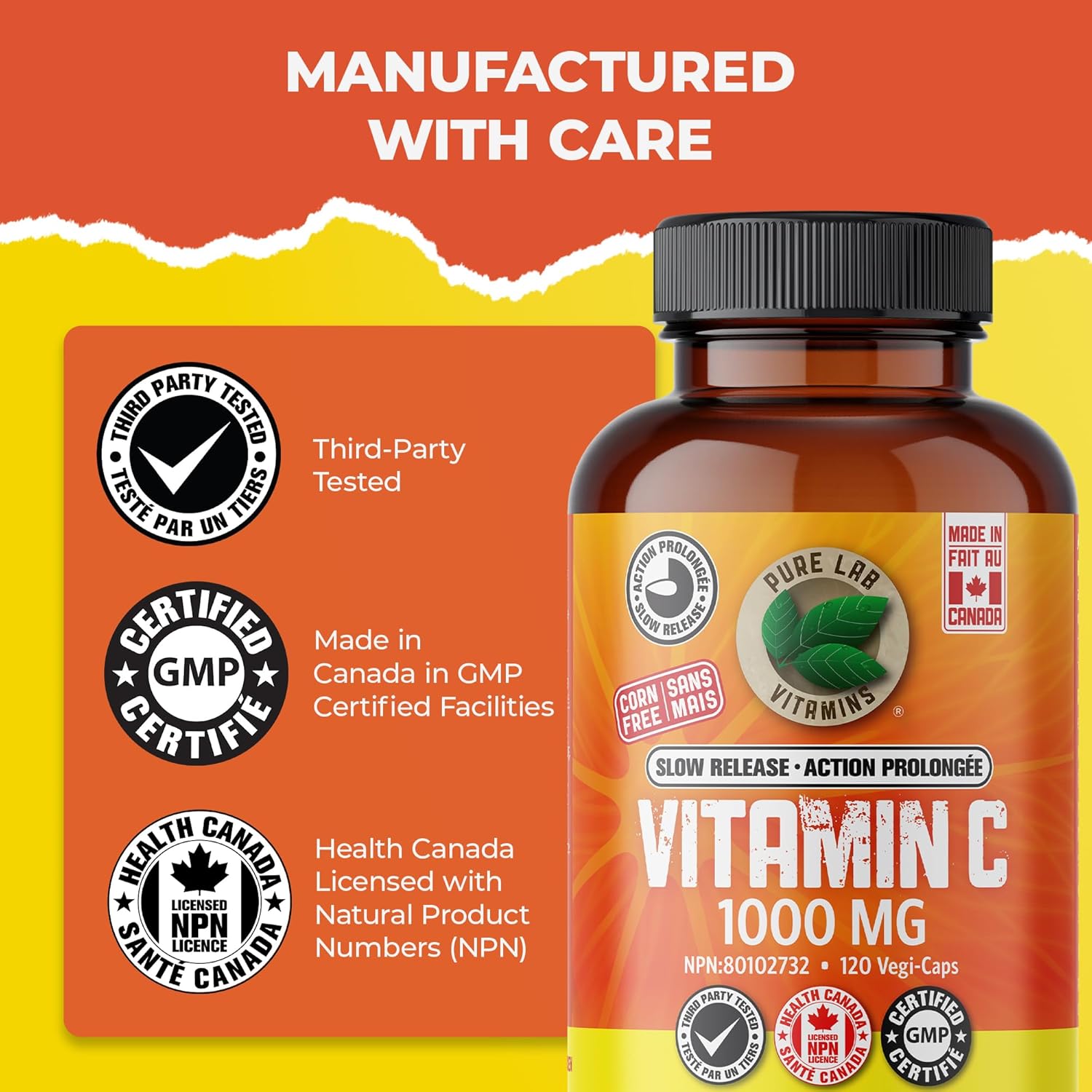
Answer: Yes, Pure Lab’s Slow Release Vitamin C is made in a GMP-certified facility.
Is Pure Lab’s Slow Release Vitamin C third-party tested?
Answer: Yes, Pure Lab’s Slow Release Vitamin C is third-party tested. Our raw materials and finished goods are always tested by ISO-certified labs.


 Magnesium Glycinate 100 mg
 Magnesium Glycinate Fully Reacted 100 mg
 Magnesium Glycinate 165 mg
 Magnesium Glycinate Raspberry-Lemon Powder Mix
 Magnesium Glycinate + L-Theanine
 Magnesium Glycinate +Taurine +CoQ10
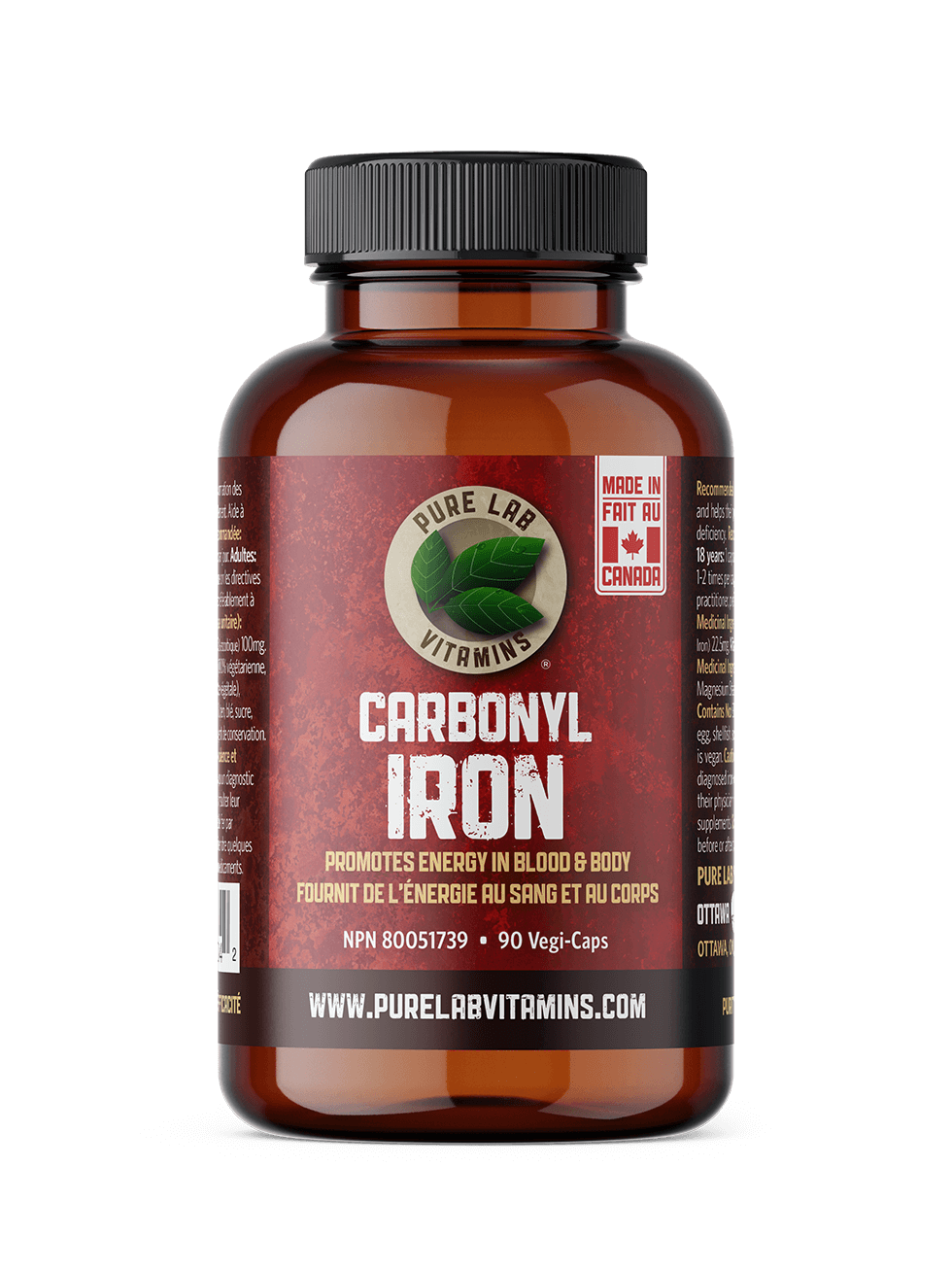 Carbonyl Iron 22.5 MG
 Zinc Glycinate 23 MG
 Copper Glycinate 1 MG
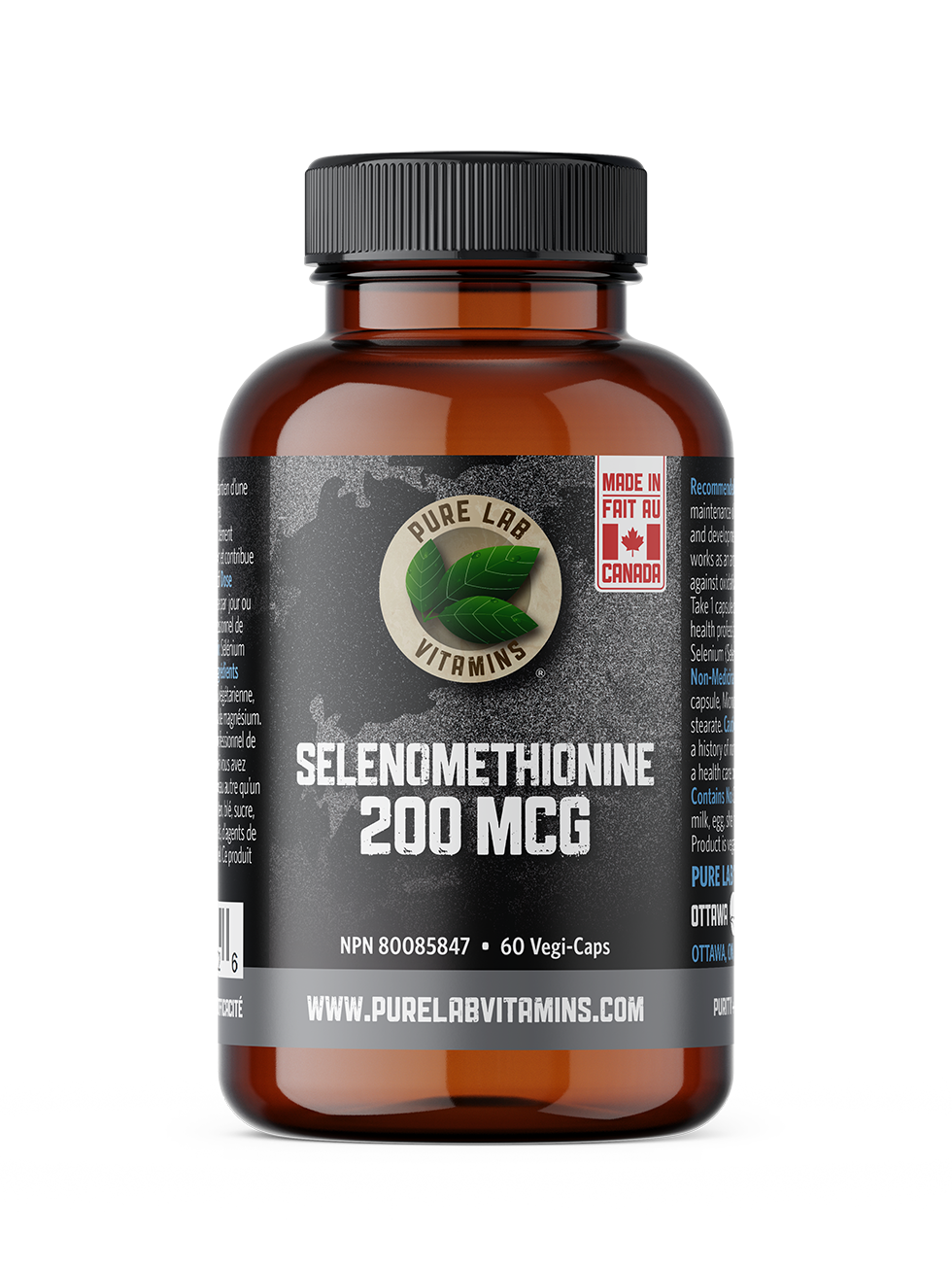
 Selenomethionine 200 MCG
 Calcium Hydroxyapatite
 Bioactive B Complex
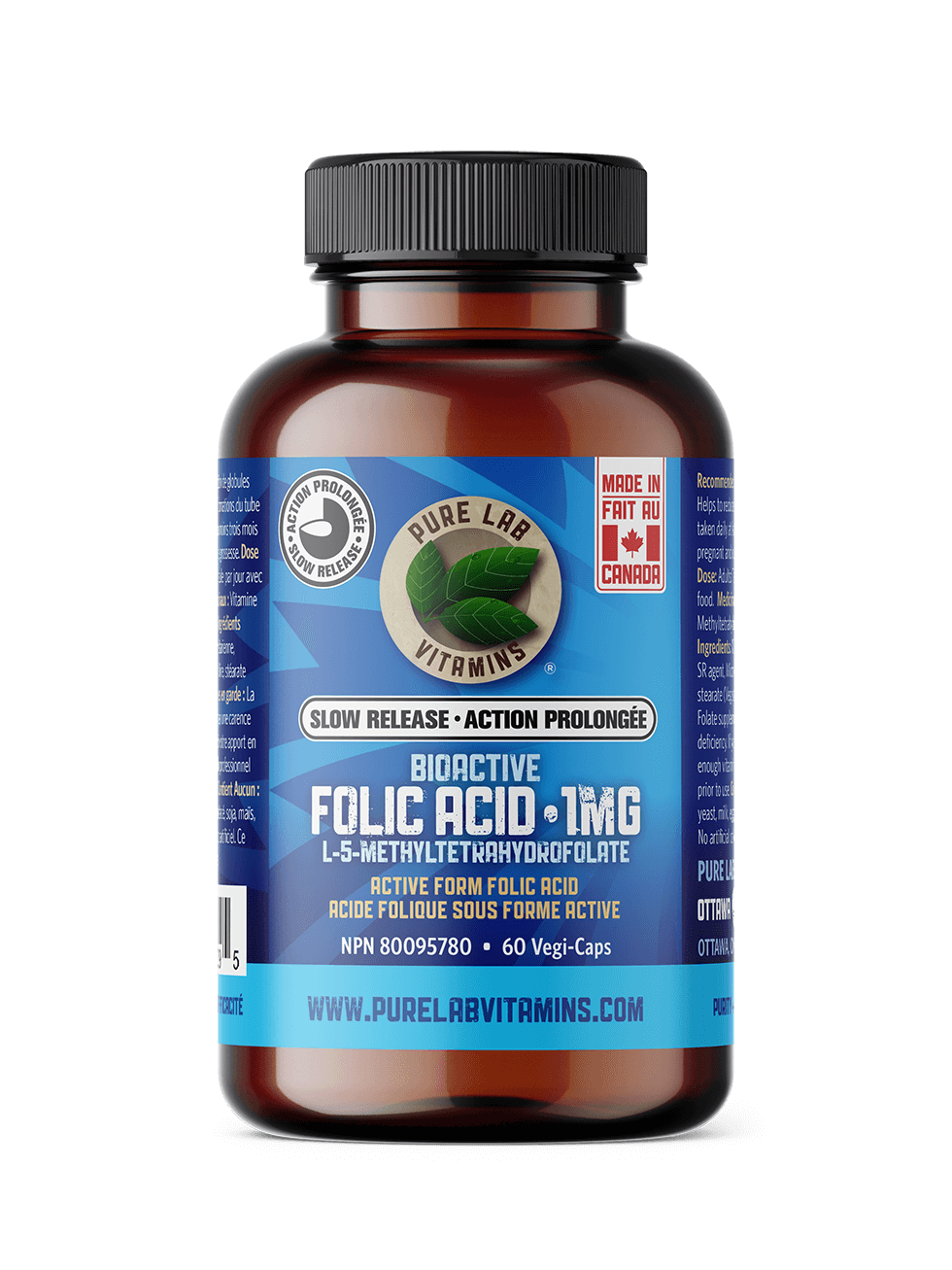 Bioactive Folic Acid 1 MG
 Bioactive B6 (PYRIDOXAL-5-PHOSPHATE) 50 MG
 Bioactive B12 1000 MCG
 Bioactive B12 5000 MCG
 NADH SR 20 MG
 NADH + Ubiquinol
 Vitamin K2-MK7 120 MCG
 NAC 600 MG
 L-THEANINE 250 MG
 L-THEANINE SLOW RELEASE 200 MG
 L-THEANINE CHEWABLES 125 MG
 L-Glutamine Capsules
 L-Glutamine Powder
 Magnesium Butyrate
 DIM
DIM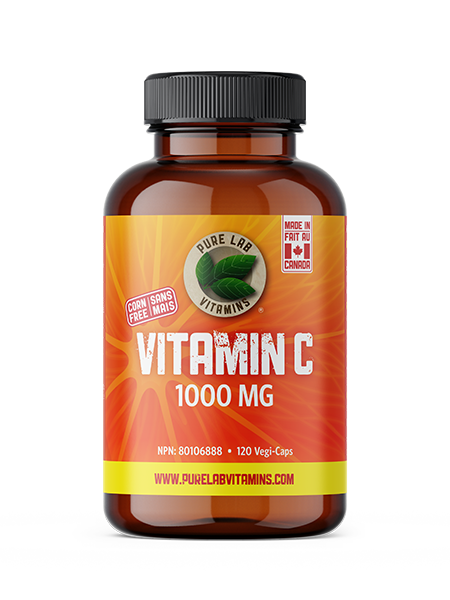 Vitamin C 1000 MG
 Vitamin C Slow Release 1000MG
 Vitamin C Powder
 Vitamin D3 1000IU
 Vitamin D3 2500IU
 Vegan Vitamin D3 1000IU
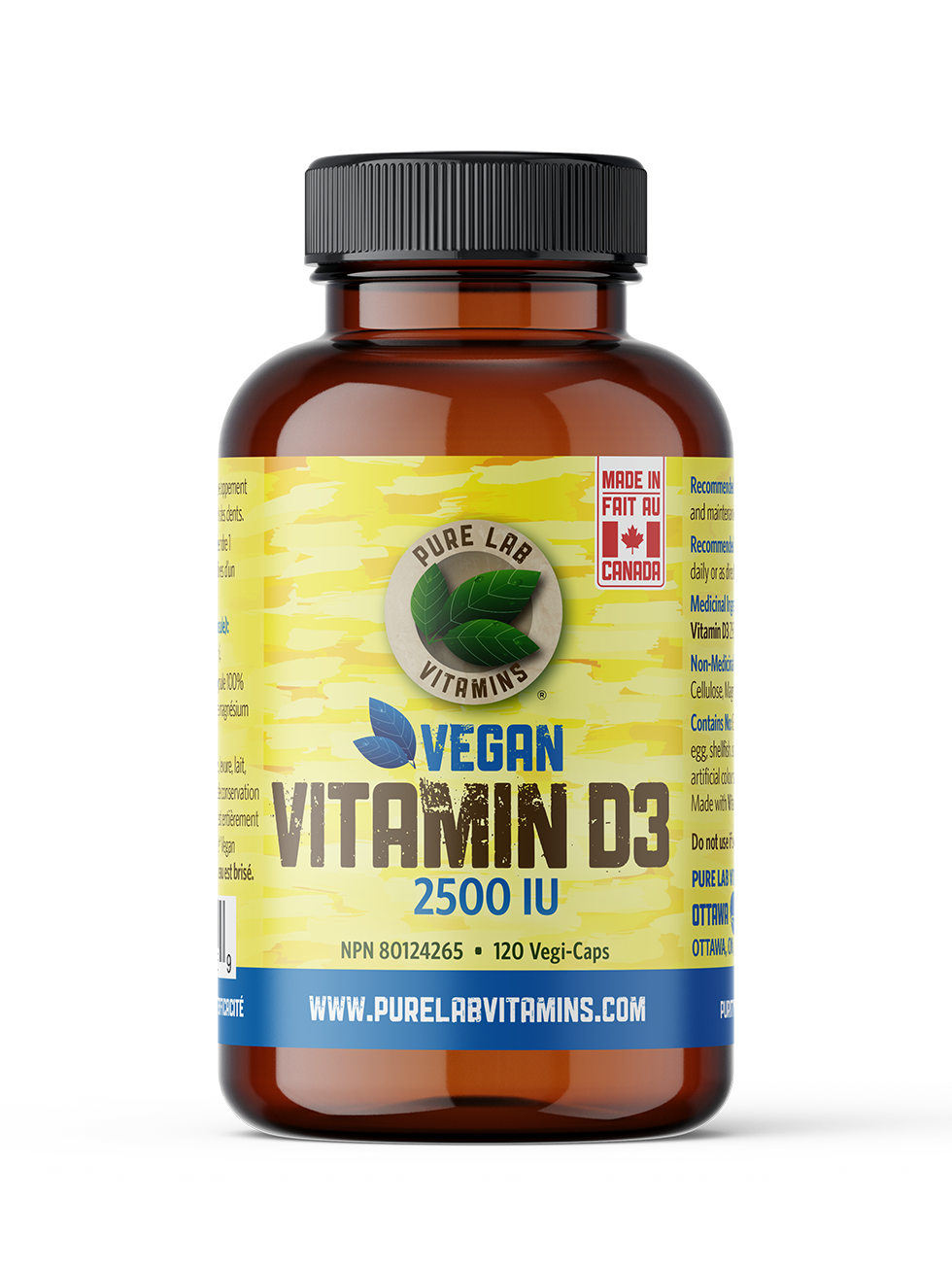 Vegan Vitamin D3 2500IU
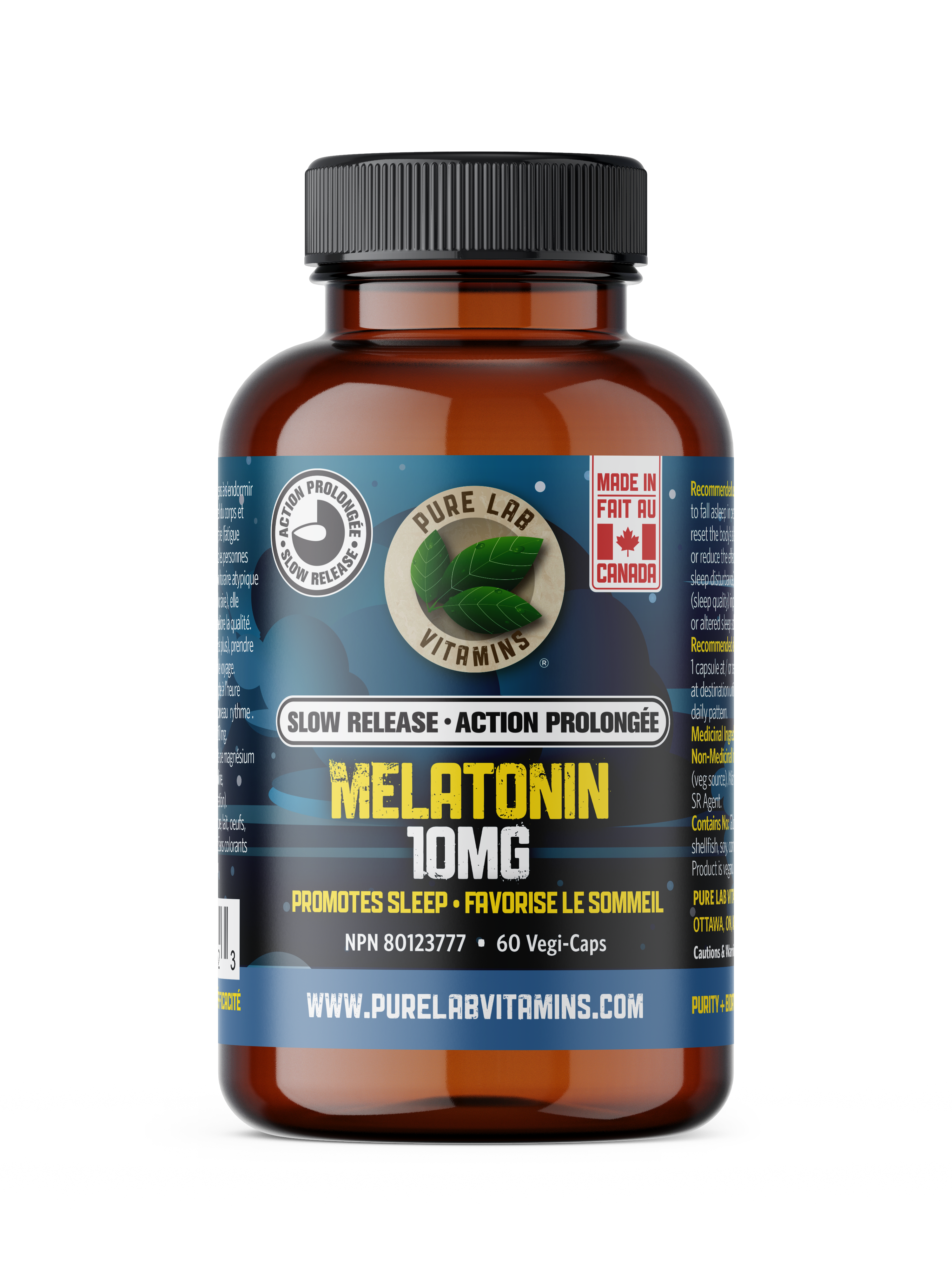 Slow Release Melatonin 10 MG
.png) Magnesium Glycinate +Melatonin
Magnesium Glycinate +Melatonin AlkaPure pH
 ThyroPure
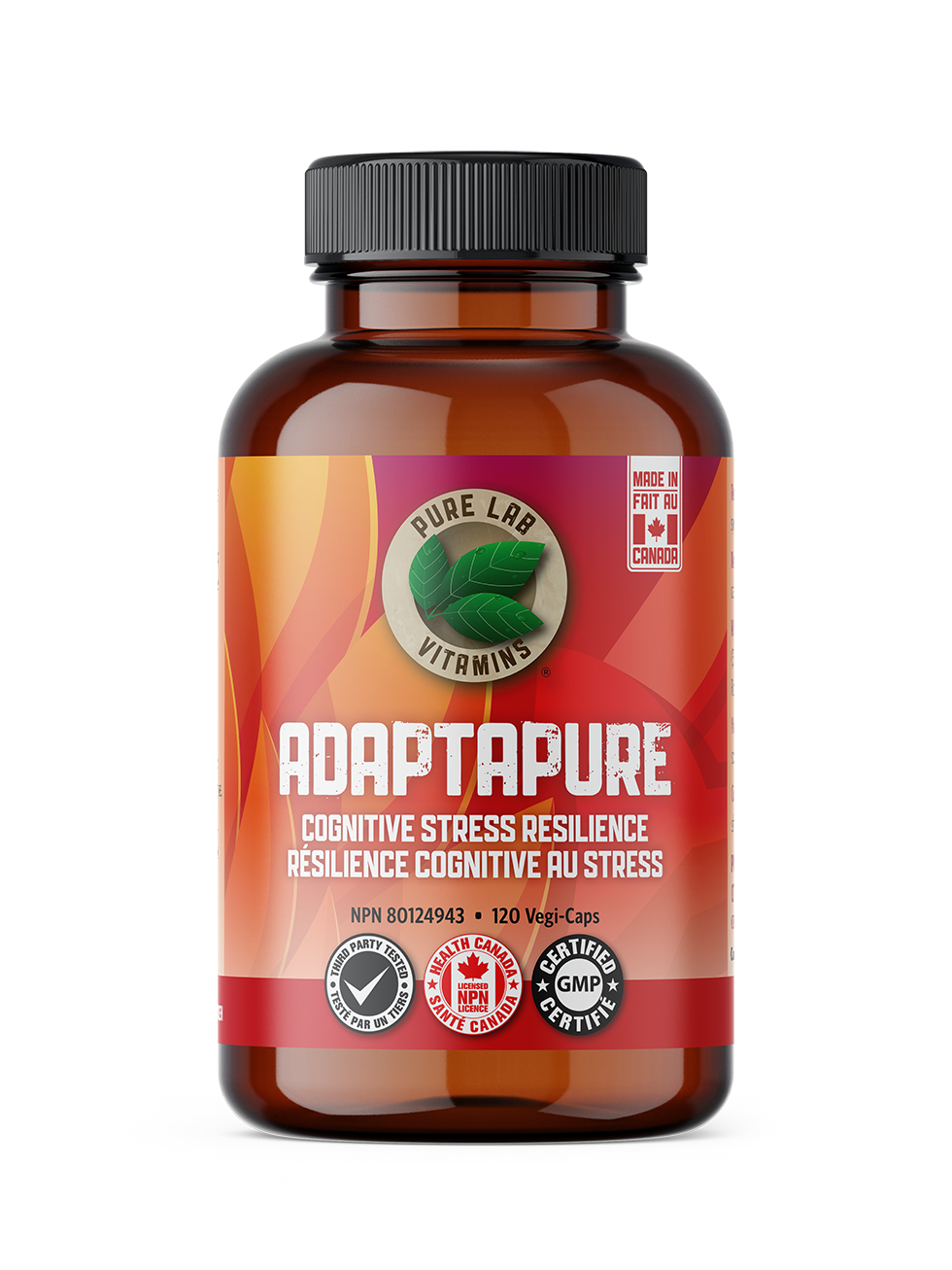 AdaptaPure
 Rhodiola
 UTI Pure 120s
 UTI Pure Powder







 WHAT'S HAPPENING AT PLV


