Selenium is also involved in the production and recycling of the antioxidant glutathione, which is used by the immune system for fighting harmful free radicals, viruses and abnormal cells. This is especially important in protection against the damaging effects of inflammation, which is an underlying process in coronary artery disease and many other health conditions. Selenium is vital to proper thyroid hormone metabolism, reproduction, and DNA synthesis, helping ensure the maintenance of good health.
Why supplement selenium? Pollution exposure, agricultural practices and even dietary factors can warrant the need for increased selenium intake. Brazil nuts grown in virgin-forest soils are by far the highest food source of selenium, offering more than 5 times the content per serving than other foods that contain the mineral. But with today’s intensive farming practices, trace minerals are no longer found in soils in the quantities they once were. This equates to a food supply that’s generally very low in selenium.
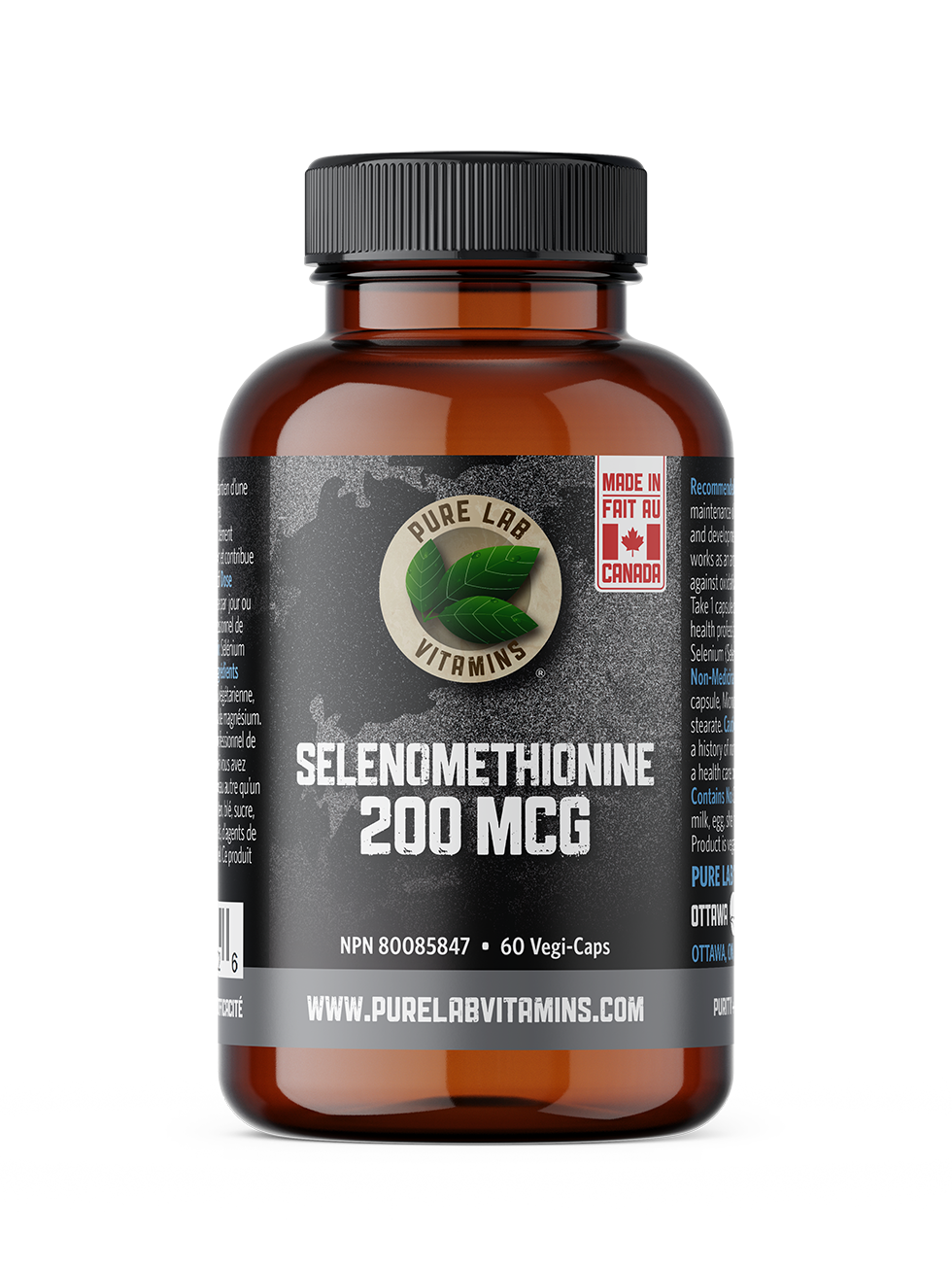
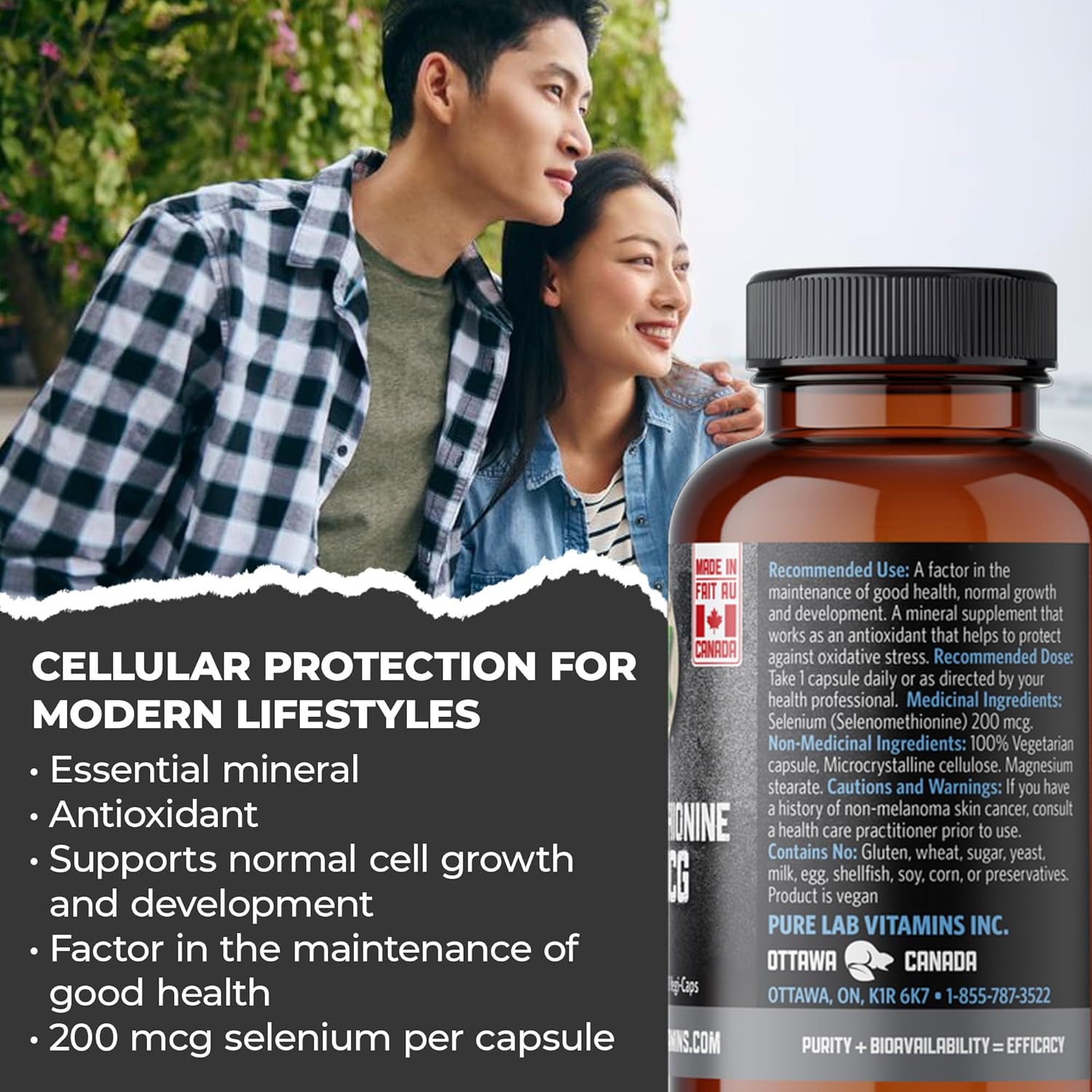
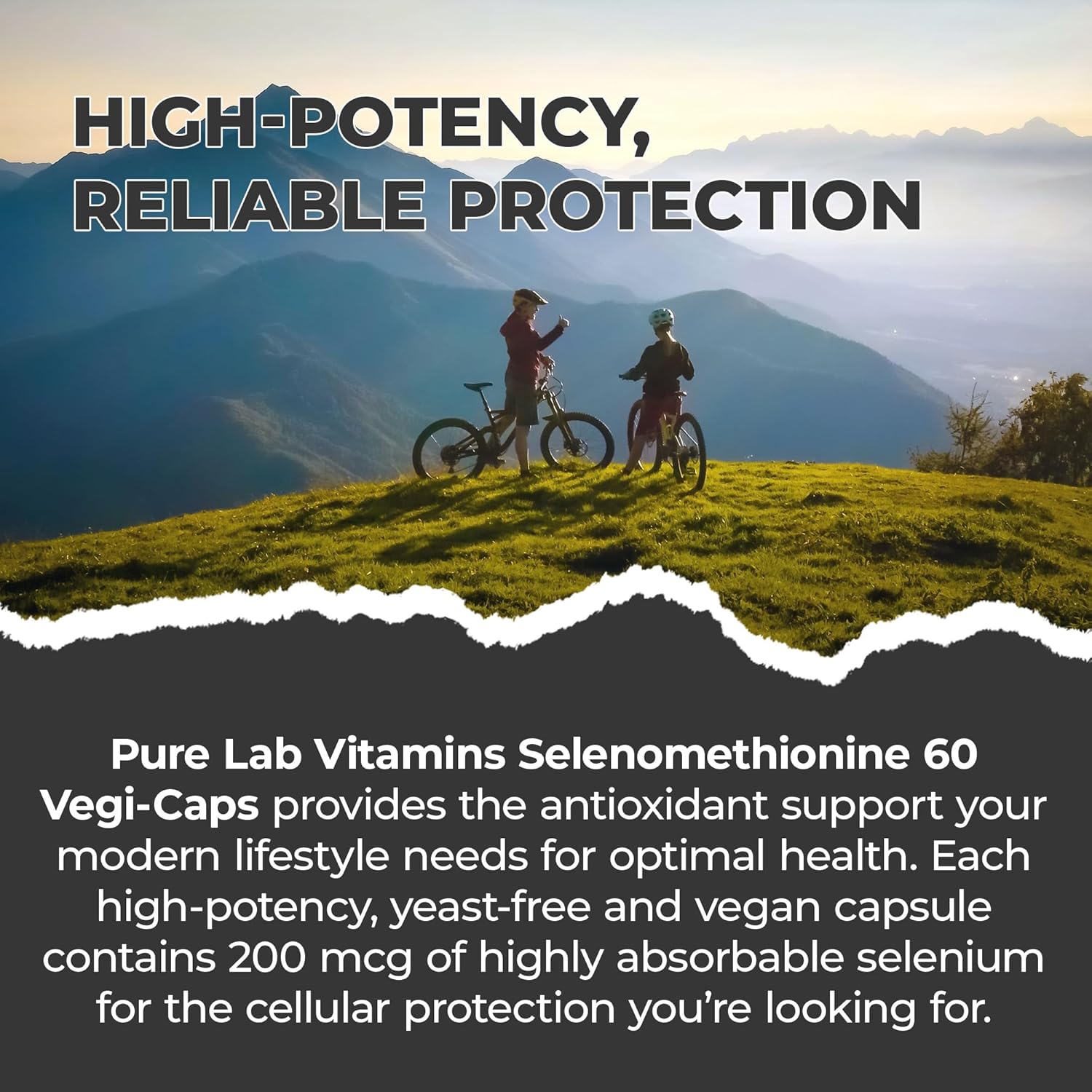
Pure Lab’s Selenomethionine provides 200 micrograms per capsule of a superior, more bioavailable form of selenium with an absorption rate of 90 percent (compared to 50% for sodium selenite). Rather than sourced from potentially allergenic food proteins like yeast, our selenium is obtained from mineral deposits and then chelated (attached) to a single amino acid.
By chelating selenium to methionine, selenomethionine forms and becomes the body’s preferred, biologically active form of selenium that’s ready for immediate use by the body. The added benefits? Methionine is an essential amino acid, a source of sulfur for our body and functions as an antioxidant itself. Plus, methionine also helps detoxify heavy metals from the body and may help prevent fat deposits in the liver.
Baldo BA, Baker RS. Inhalant allergies to fungi: reactions to bakers' yeast (Saccharomyces cerevisiae) and identification of bakers' yeast enolase as an important allergen. Int Arch Allergy Appl Immunol. 1988;86(2):201-208.
Burk RF, Norsworthy BK, Hill KE, Motley AK, Byrne DW. Effects of chemical form of selenium on plasma biomarkers in a high-dose human supplementation trial. Cancer Epidemiol Biomarkers Prev. 2006;15(4):804-810.
Crook, William G. Chronic Fatigue Syndrome and The Yeast Connection. Professional Books, 1992.
Fakhrolmobasheri M, Mazaheri-Tehrani S, Kieliszek M, et al. COVID-19 and Selenium Deficiency: a Systematic Review. Biol Trace Elem Res. 2022;200(9):3945-3956.
Flores-Mateo G, Navas-Acien A, Pastor-Barriuso R, Guallar E. Selenium and coronary heart disease: a meta-analysis. Am J Clin Nutr. 2006;84(4):762-773.
Guillin OM, Vindry C, Ohlmann T, Chavatte L. Selenium, Selenoproteins and Viral Infection. Nutrients. 2019;11(9):2101.
Hughes DJ, Duarte-Salles T, Hybsier S, et al. Prediagnostic selenium status and hepatobiliary cancer risk in the European Prospective Investigation into Cancer and Nutrition cohort. Am J Clin Nutr. 2016;104(2):406-414.
Institute of Medicine, Food and Nutrition Board. Dietary Reference Intakes: Vitamin C, Vitamin E, Selenium, and Carotenoids. National Academy Press, Washington, DC, 2000.
National Institutes of Health: Office of Dietary Supplements. Selenium: Fact Sheet for Health Professionals.
Rasmussen LB, Schomburg L, Köhrle J, et al. Selenium status, thyroid volume, and multiple nodule formation in an area with mild iodine deficiency. Eur J Endocrinol. 2011;164(4):585-590.
Rayman MP. Selenium and human health. Lancet 2012;379:1256-68.
Tinggi U. Selenium: its role as antioxidant in human health. Environ Health Prev Med. 2008;13(2):102-108.
Valko M, Rhodes CJ, Moncol J, Izakovic M, Mazur M. Free radicals, metals and antioxidants in oxidative stress-induced cancer. Chem Biol Interact. 2006;160(1):1-40. doi:10.1016/j.cbi.2005.12.009
How is selenomethionine different from sodium selenite?
Answer: Sodium selenite is a sodium-containing selenium compound with a much lower bioavailability (50%) than selenomethionine (90%).
Selenomethionine is a sodium-free, biologically active form of the essential mineral selenium. It consists of selenium and the essential amino acid methionine. By chelating (binding) methionine to selenium, selenomethionine is ready to perform metabolic work in the body as soon as it’s absorbed.
What is the recommended use for Pure Lab’s Selenomethionine?
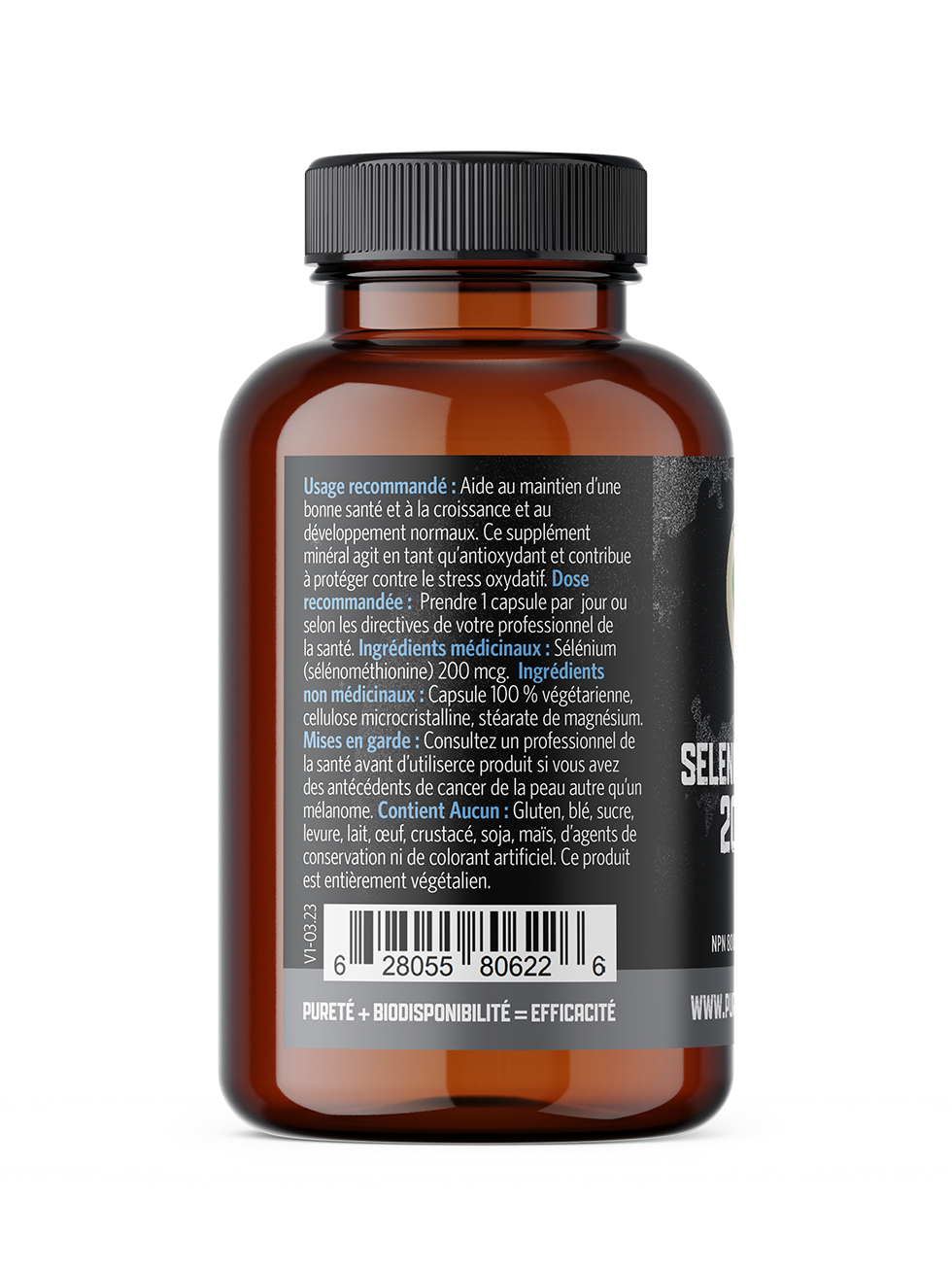
Answer: The recommended use for Pure Lab’s Selenomethionine is a mineral supplement that works as an antioxidant and helps to protect against oxidative stress. It’s a factor in the maintenance of good health, normal growth and development. It helps reactivate glutathione.
Can I take more than one capsule of Pure Lab’s Selenomethionine daily?
Answer: Health authorities caution against taking more than 200 micrograms of supplemental selenium per day. For this reason, we do not recommend taking more than one capsule of Pure Lab’s Selenomethionine daily.
Does Pure Lab’s Selenomethionine need to be taken with food?
Answer: Yes, Pure Lab’s Selenomethionine is best taken with food.
Does Pure Lab’s Selenomethionine have any side effects?
Answer: Side effects are uncommon with Pure Lab’s Selenomethionine when taken in the dose recommended on the label.
Is there anyone who should not take Pure Lab’s Selenomethionine?
Answer: If you have a history of non-melanoma skin cancer, we recommend that you consult a health care practitioner before using Pure Lab’s Selenomethionine.
Is Pure Lab’s Selenomethionine vegan?
Answer: Pure Lab’s Selenomethionine contains no animal-derived ingredients. It is vegan.
Is Pure Lab’s Selenomethionine yeast-free?
Answer: Yes, Pure Lab’s Selenomethionine is yeast-free.
Is Pure Lab’s Selenomethionine made in a GMP-certified facility?
Answer: Yes, Pure Lab’s Selenomethionine is made in a GMP-certified facility.
Is Pure Lab’s Selenomethionine third-party tested?
Answer: Yes, Pure Lab’s Selenomethionine is third-party tested. Our raw materials and finished goods are always tested by ISO-certified labs.


 Magnesium Glycinate 100 mg
 Magnesium Glycinate Fully Reacted 100 mg
 Magnesium Glycinate 165 mg
 Magnesium Glycinate Raspberry-Lemon Powder Mix
 Magnesium Glycinate + L-Theanine
 Magnesium Glycinate +Taurine +CoQ10
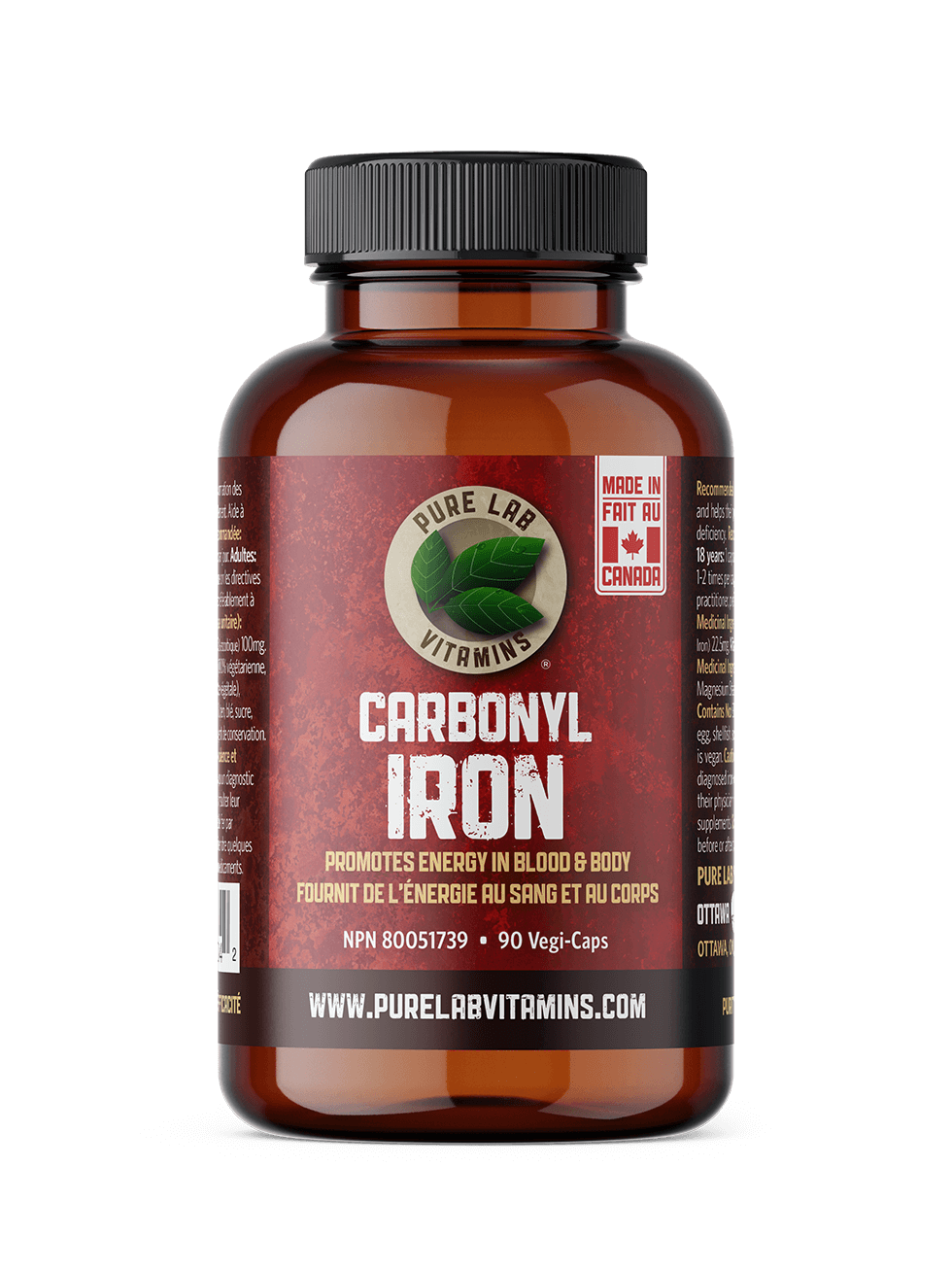 Carbonyl Iron 22.5 MG
 Zinc Glycinate 23 MG
 Copper Glycinate 1 MG
 Selenomethionine 200 MCG
 Calcium Hydroxyapatite
 Bioactive B Complex
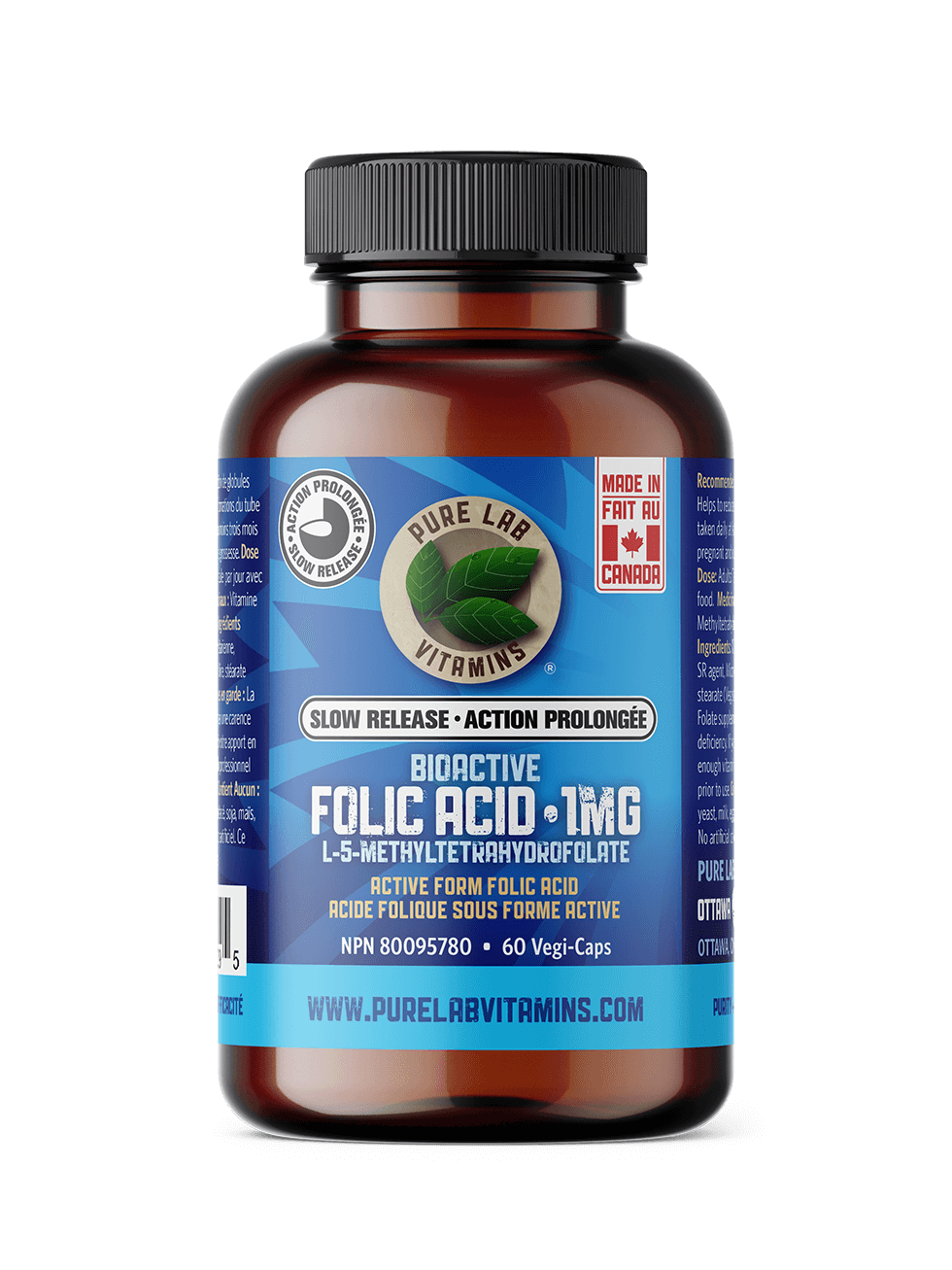 Bioactive Folic Acid 1 MG
 Bioactive B6 (PYRIDOXAL-5-PHOSPHATE) 50 MG
 Bioactive B12 1000 MCG
 Bioactive B12 5000 MCG
 NADH SR 20 MG
 NADH + Ubiquinol
 Vitamin K2-MK7 120 MCG
 NAC 600 MG
 L-THEANINE 250 MG
 L-THEANINE SLOW RELEASE 200 MG
 L-THEANINE CHEWABLES 125 MG
 L-Glutamine Capsules
 L-Glutamine Powder
 Magnesium Butyrate
 DIM
DIM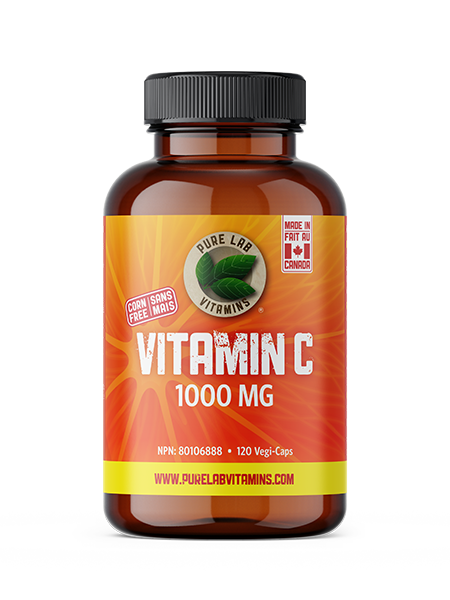 Vitamin C 1000 MG
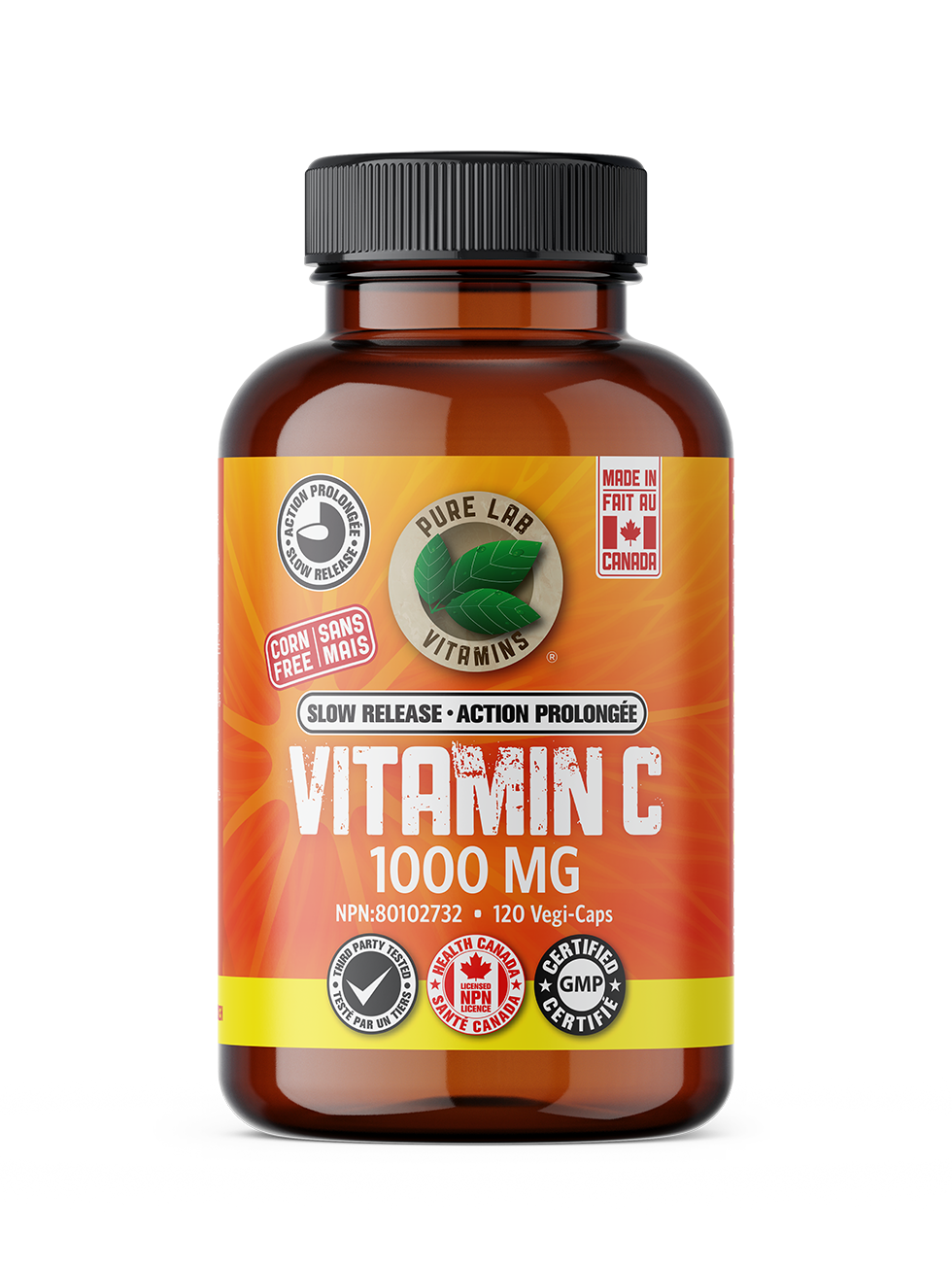
 Vitamin C Slow Release 1000MG
 Vitamin C Powder
 Vitamin D3 1000IU
 Vitamin D3 2500IU
 Vegan Vitamin D3 1000IU
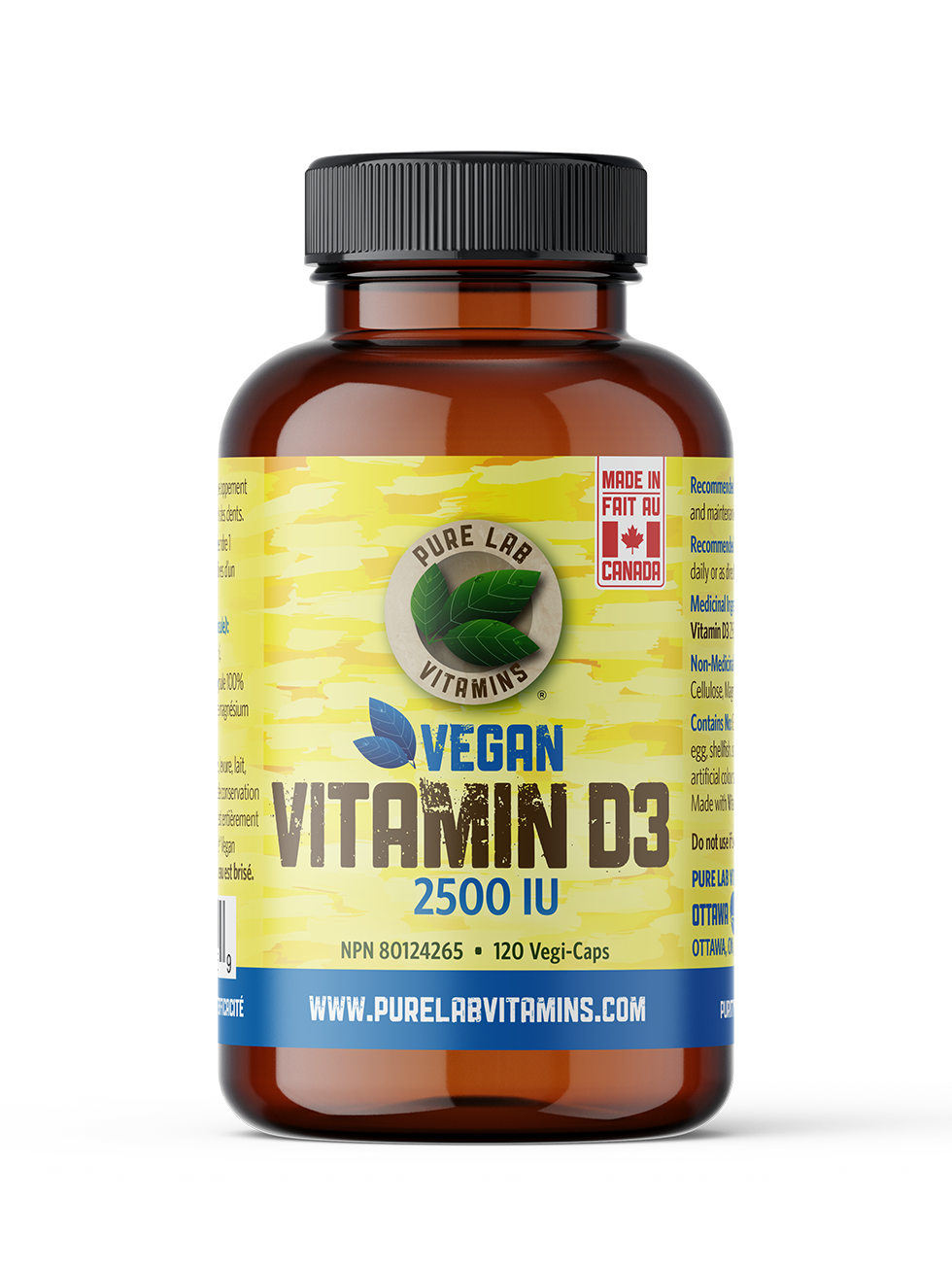 Vegan Vitamin D3 2500IU
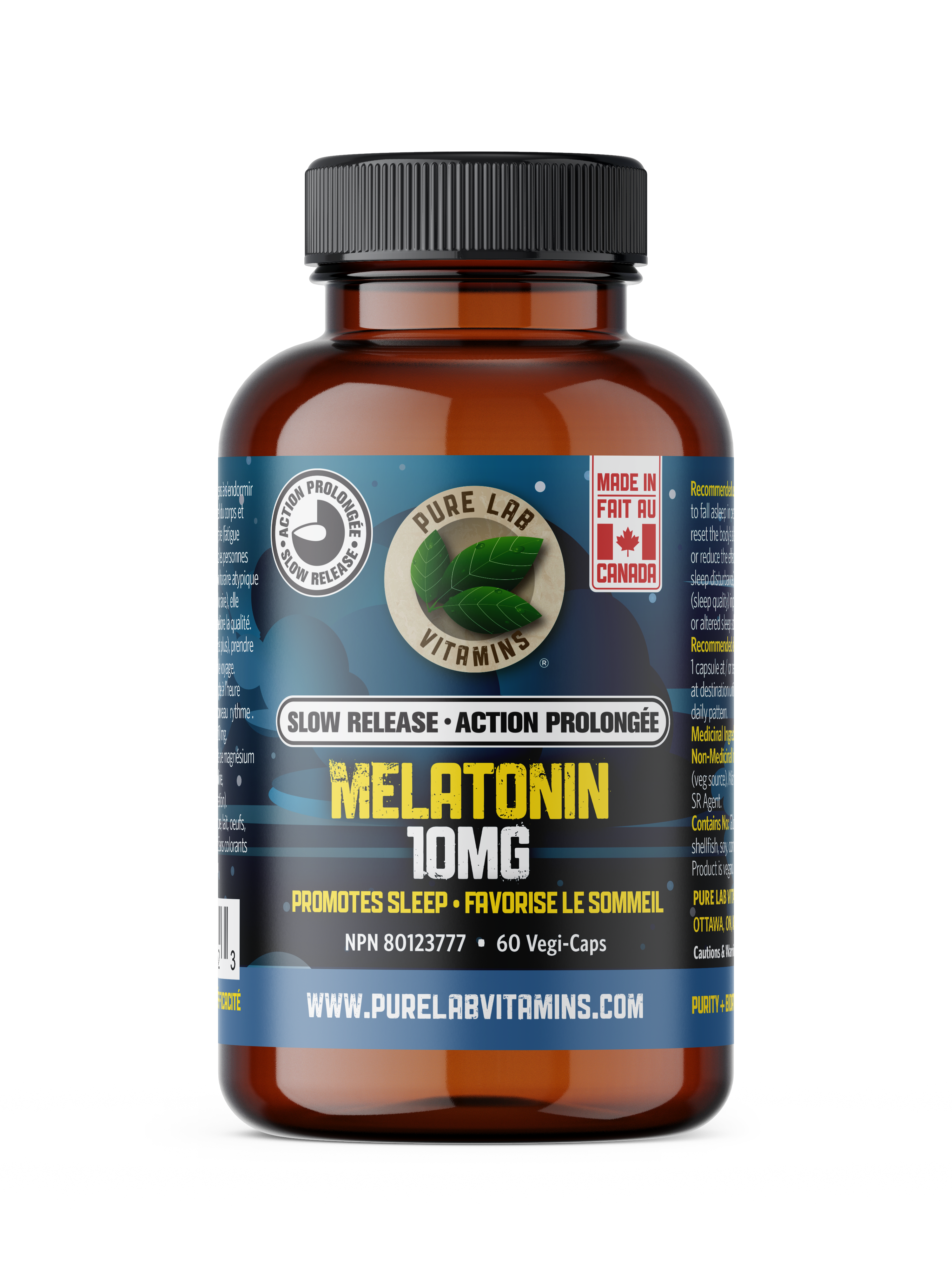 Slow Release Melatonin 10 MG
.png) Magnesium Glycinate +Melatonin
Magnesium Glycinate +Melatonin AlkaPure pH
 ThyroPure
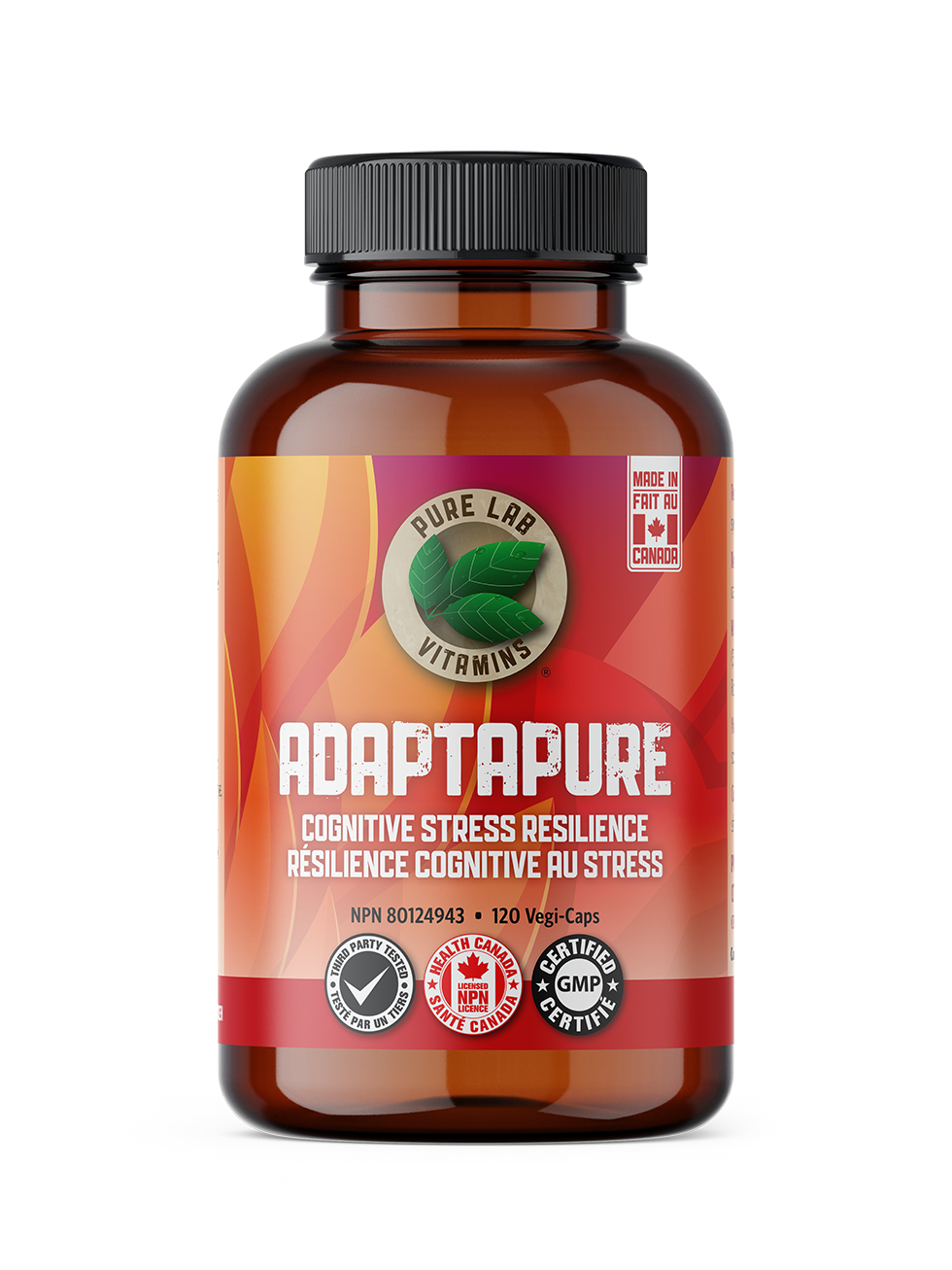 AdaptaPure
 Rhodiola
 UTI Pure 120s
 UTI Pure Powder










 WHAT'S HAPPENING AT PLV


