Magnesium is an essential mineral required for energy production, muscle function, nerve conduction, and more. It supports relaxation, sleep, and pain management—key areas where deficiency can have significant effects.
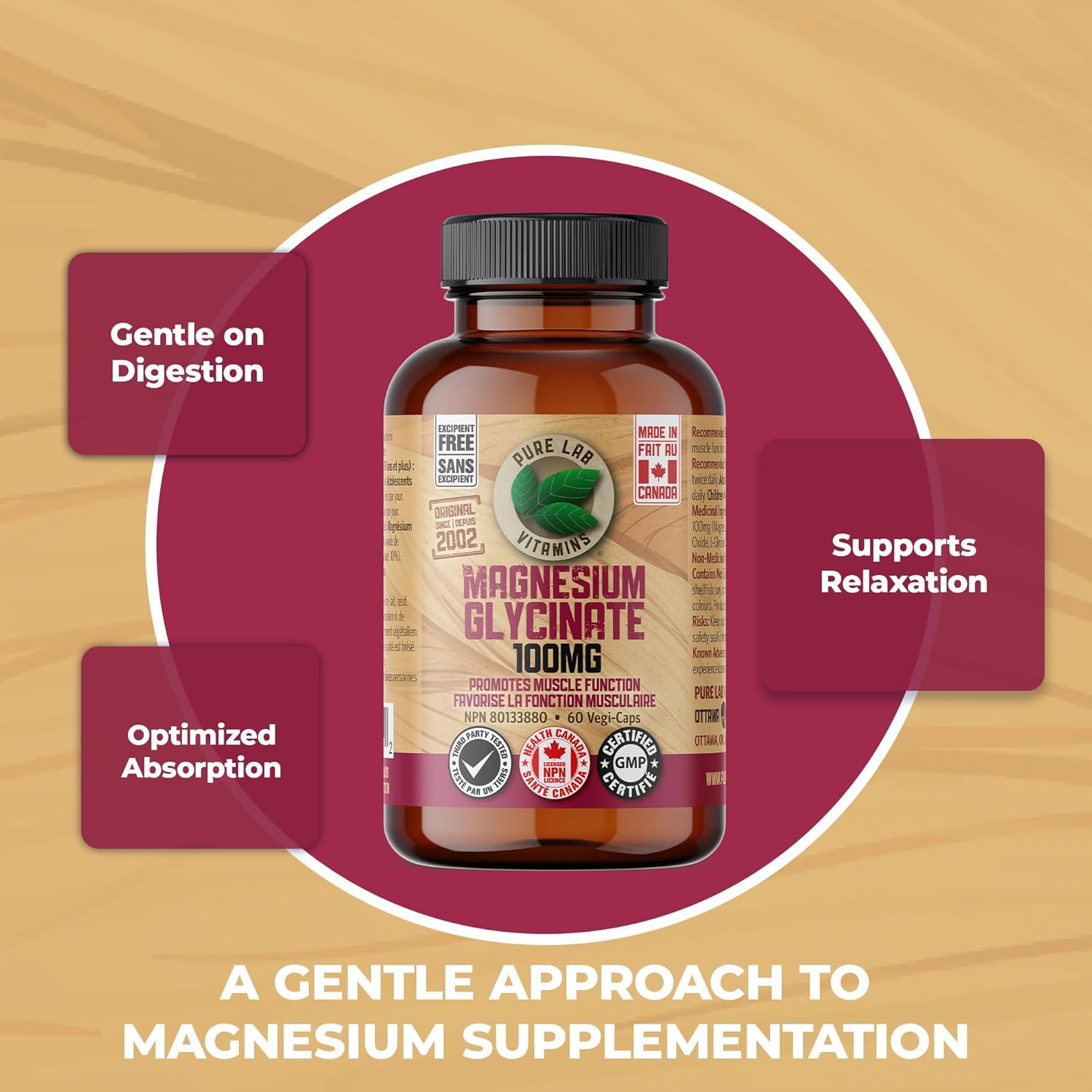
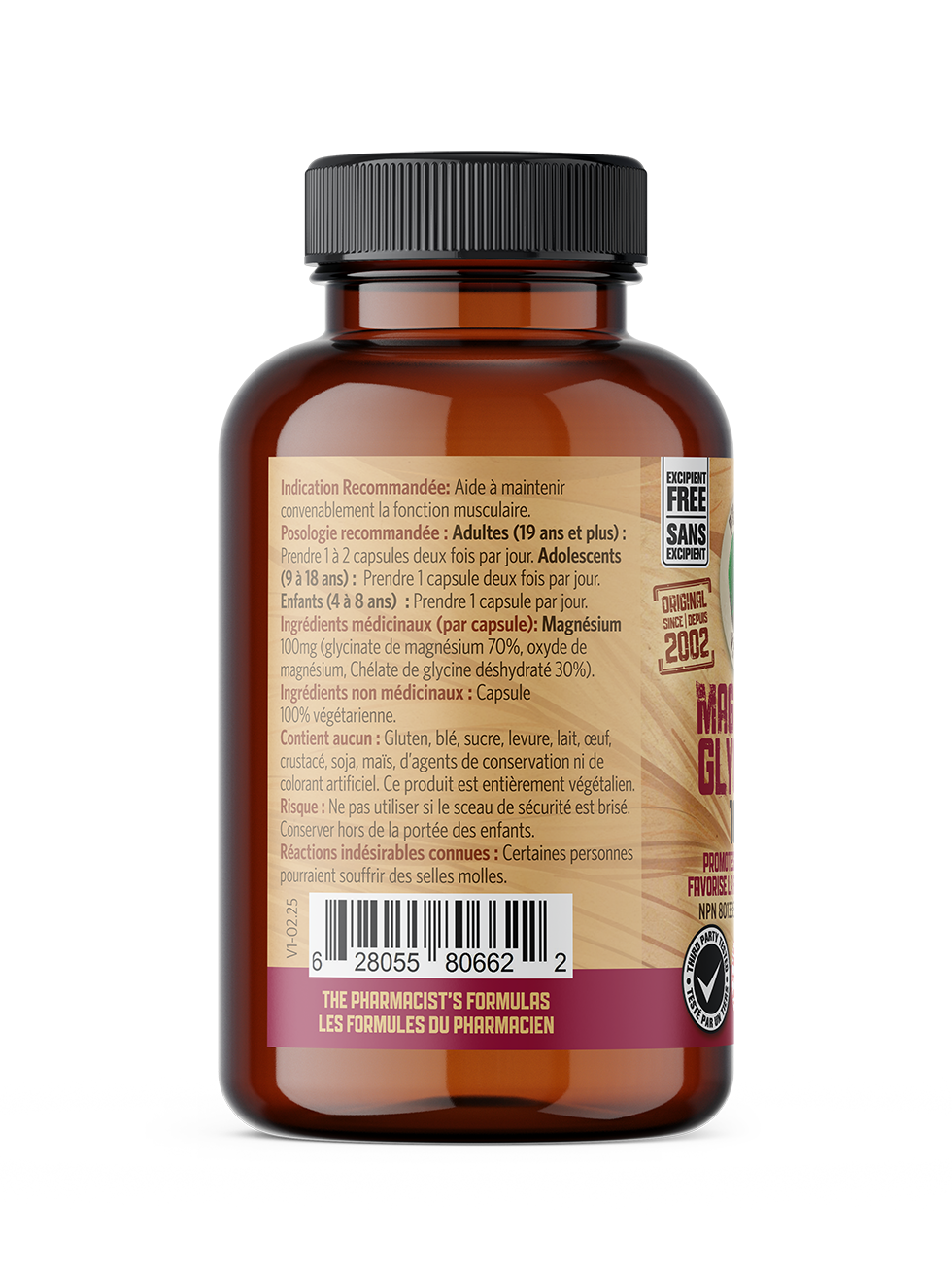
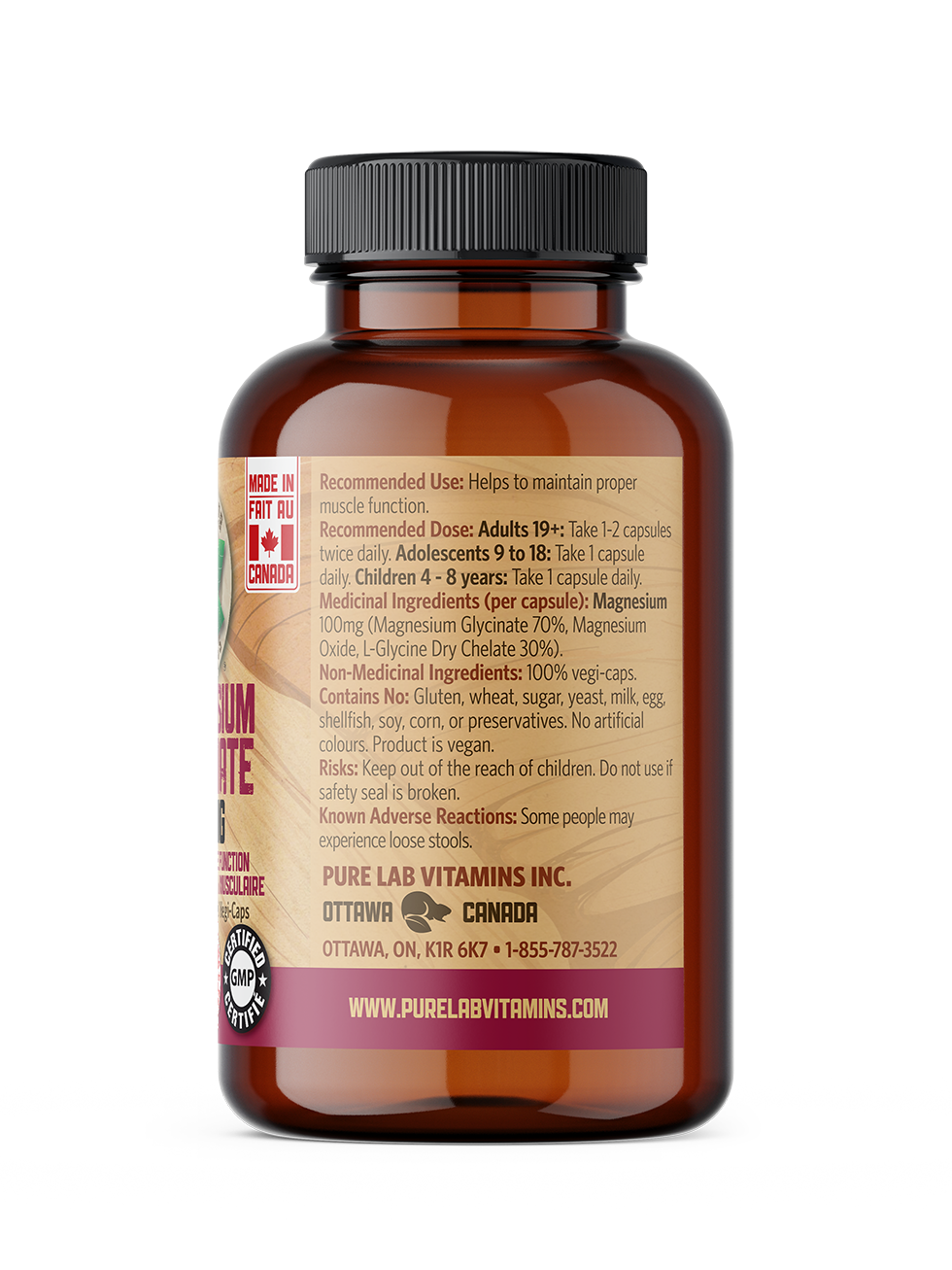
For those seeking a gentler approach to supplementation, our Magnesium Glycinate 100 mg provides a lower potency capsule, making it easy to personalize your dose. Whether you’re introducing magnesium into your daily routine or adjusting intake based on individual needs, this formulation offers maximum flexibility. It’s excipient-free, ensuring purity, and is suitable for adults and children as young as 4 years old.
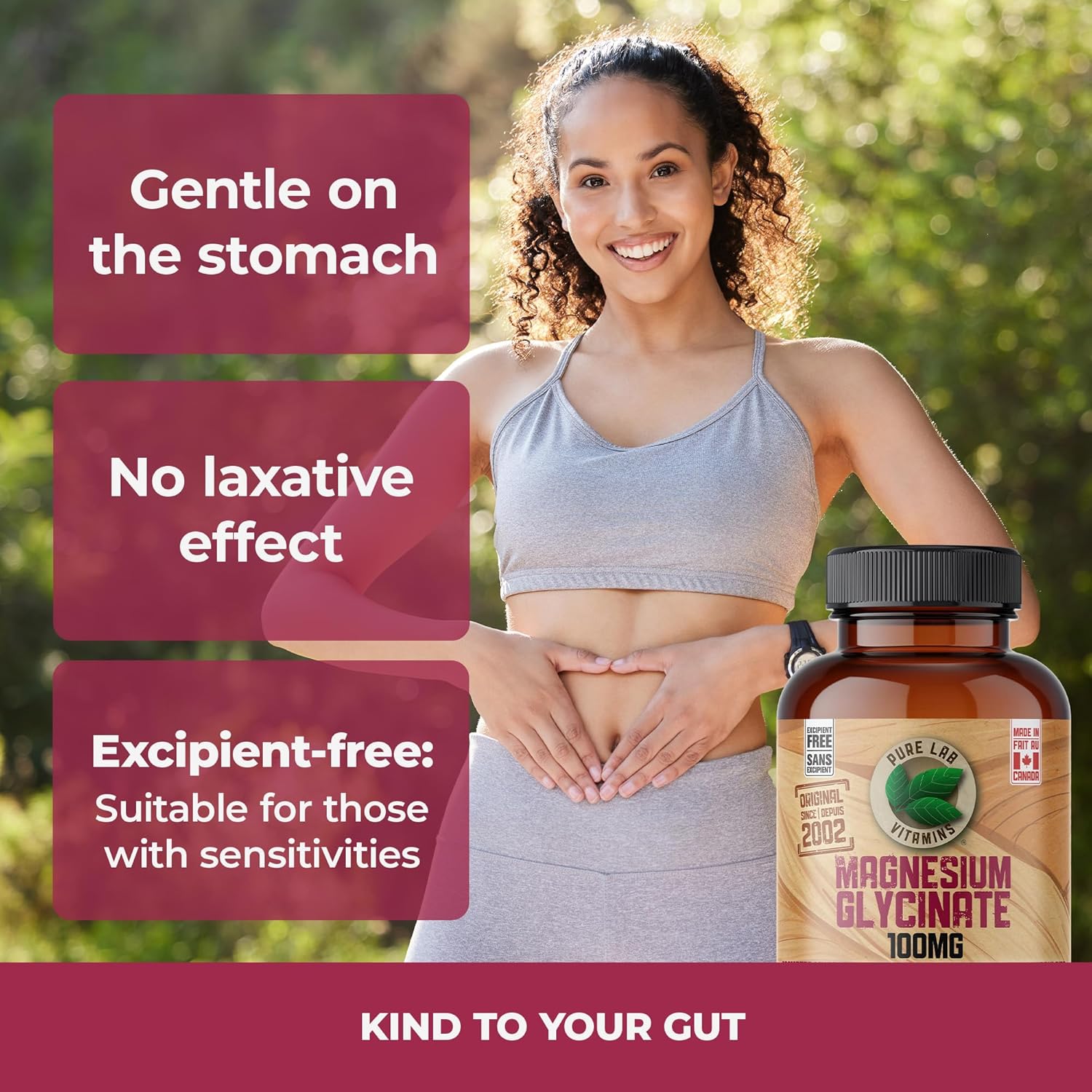
Experience magnesium support without unwanted digestive discomfort with Pure Lab’s Magnesium Glycinate 100 mg capsules.
Magnesium is present in foods, like nuts, greens and whole grains--yet at least 80 percent of North Americans are deficient. Considering hectic lifestyles, dependence upon fast foods, nut allergies and chronic health conditions, it’s no wonder that society is falling short on the Recommended Daily Intake of about 450 milligrams per day of this mineral.
Magnesium is required for energy production, protein synthesis, heartbeat regulation, muscle function, nerve conduction and blood sugar metabolism. Vital for activation of nerves and movement of muscles, it influences blood pressure, sleep, pain and relaxation. Like with any nutrient, your individual needs vary according to health condition and stress level. Supplementation can provide a safe, convenient and effective way to meet these needs.
You’ve probably seen a wide array of natural health products that contain magnesium, but they aren’t all equal in their health benefits. Reports of unwanted side effects like bloating, gas and loose stool with the use of pure magnesium oxide supplements are common. This is because only a small amount of the magnesium from magnesium oxide is absorbed from the gut into the blood, and the unabsorbed portion is left in the bowel—whether you need it or not—causing loose stools.
To be clear, we don’t view magnesium oxide as ‘bad’ magnesium. It has the ability to replenish the body’s supply, at higher doses—and it will also be an effective natural laxative. However, we realize that for some people, ‘side benefits’ like this are undesired, and viewed more like ‘side effects’.
With this in mind, it becomes obvious that Pure Lab Vitamins Magnesium Glycinate is a better option. Each magnesium atom within magnesium glycinate is bound to 2 molecules of L-glycine to aid its absorption. Our formula is a unique formulation that combines a special ratio of reacted magnesium glycinate with a magnesium oxide-glycine dry chelate blend.
It is this combination of features that dramatically improves the absorption of our magnesium compared to straight magnesium oxide. So, while other companies may use these inferior compounds to boast a higher-dose per capsule, their formulas are more likely to cause unwanted side effects.
Why glycine? L-Glycine is the smallest amino acid and is essential to human health. It has a relaxing effect on the nervous system, and it has anti-inflammatory properties, too. It’s also one of the three building blocks of glutathione, making magnesium glycinate a great choice for supporting a variety of nervous-system afflictions, including chronic pain and immune support.
Abbasi B, Kimiagar M, Sadeghniiat K, Shirazi MM, Hedayati M, Rashidkhani B. The effect of magnesium supplementation on primary insomnia in elderly: A double-blind placebo-controlled clinical trial. J Res Med Sci. 2012;17(12):1161-1169.
Boyle NB, Lawton C, Dye L. The Effects of Magnesium Supplementation on Subjective Anxiety and Stress-A Systematic Review. Nutrients. 2017;9(5):429. Published 2017 Apr 26.
DiNicolantonio JJ, Liu J, O'Keefe JH. Magnesium for the prevention and treatment of cardiovascular disease. Open Heart. 2018;5(2):e000775. Published 2018 Jul 1.
Fathizadeh N, Ebrahimi E, Valiani M, Tavakoli N, Yar MH. Evaluating the effect of magnesium and magnesium plus vitamin B6 supplement on the severity of premenstrual syndrome. Iran J Nurs Midwifery Res. 2010;15(Suppl 1):401-405.
Firoz M, Graber M. Bioavailability of US commercial magnesium preparations. Magnes Res. 2001 Dec;14(4):257-62.
Hornyak M, Voderholzer U, Hohagen F, Berger M, Riemann D. Magnesium therapy for periodic leg movements-related insomnia and restless legs syndrome: an open pilot study. Sleep. 1998;21(5):501-505.
Houston M. The role of magnesium in hypertension and cardiovascular disease. J Clin Hypertens (Greenwich). 2011;13(11):843-847.
Murakami K, Sasaki S, Okubo H, et al. Association between dietary fiber, water and magnesium intake and functional constipation among young Japanese women. Eur J Clin Nutr. 2007;61(5):616-622.
Office of Dietary Supplements. Magnesium: Fact Sheet for Health Professionals. National Institutes of Health. Accessed October 25th, 2021.
Park R, Ho AM, Pickering G, Arendt-Nielsen L, Mohiuddin M, Gilron I. Efficacy and Safety of Magnesium for the Management of Chronic Pain in Adults: A Systematic Review. Anesth Analg. 2020;131(3):764-775.
Rosique-Esteban N, Guasch-Ferré M, Hernández-Alonso P, Salas-Salvadó J. Dietary Magnesium and Cardiovascular Disease: A Review with Emphasis in Epidemiological Studies. Nutrients. 2018;10(2):168. Published 2018 Feb 1.
Rude RK, Singer FR, Gruber HE. Skeletal and hormonal effects of magnesium deficiency. J Am Coll Nutr. 2009;28(2):131-141.
Schuette SA, Lashner BA, Janghorbani M. Bioavailability of magnesium diglycinate vs magnesium oxide in patients with ileal resection. JPEN J Parenter Enteral Nutr. 1994 Sep-Oct;18(5):430-5.
Shin HJ, Na HS, Do SH. Magnesium and Pain. Nutrients. 2020;12(8):2184. Published 2020 Jul 23.
Simmons D, Joshi S, Shaw J. Hypomagnesaemia is associated with diabetes: Not pre-diabetes, obesity or the metabolic syndrome. Diabetes Res Clin Pract. 2010;87(2):261-266.
Sun-Edelstein C, Mauskop A. Role of magnesium in the pathogenesis and treatment of migraine. Expert Rev Neurother. 2009;9(3):369-379.
Zhang, Xi et al. Effects of Magnesium Supplementation on Blood Pressure: A Meta-Analysis of Randomized Double-Blind Placebo-Controlled Trials. Hypertension 2016: 68:324-333.
What is the difference between Pure Lab's Fully Reacted Magnesium Glycinate 100 mg Capsules and Pure Lab's Magnesium Glycinate 100 mg Capsules?
Answer: Our Fully Reacted Magnesium Glycinate 100 mg formulation contains only 100% reacted Magnesium Glycinate. This means one magnesium atom binds to two l-glycine molecules. The product contains no magnesium oxide, or any other ingredients inside the capsule. To compare, Pure Lab's Magnesium Glycinate 100 mg formula contains our original time-tested formulation of 70% magnesium glycinate and 30% magnesium oxide and l-glycine dry chelate blend.
When comparing Pure Lab’s Magnesium Glycinate 100 mg Capsules with Pure Lab’s Fully Reacted Magnesium Glycinate 100 mg Capsules: which has higher bioavailability, and does this impact the risk of side effects?
Answer: Of our two 100 mg - potency products, our Fully Reacted Magnesium Glycinate 100 mg Capsules has a slightly higher bioavailability, and therefore, carries the lowest risk of experiencing loose stools.
Are Pure Lab’s Magnesium Glycinate 100 mg Capsules excipient-free?
Answer: Yes, Pure Lab’s Magnesium Glycinate 100 mg Capsules are excipient-free.
What are ‘excipients’?
Answer: “Excipients” refer to the inert, non-medicinal ingredients used in most natural health product and pharmaceuticals. Some of the more commonly used excipients act as binders, fillers, emulsifiers, sweeteners, flavours and stabilizers.
What does ‘excipient-free’ mean?
Answer: A product that is labeled “excipient-free” contains nothing but the therapeutic or medicinal ingredient(s) inside the container/capsule.
What are the advantages of being ‘excipient-free’?
Answer: There are several main advantages to making our Magnesium Glycinate Capsules excipient-free. For one, it means our capsules will be easier to swallow because they’re now smaller. An excipient-free product requires less space, since there are fewer ingredients in the capsule. Second, since some excipients are known to trigger reactions in sensitive individuals, an excipient-free product can be used by a larger number of people with greater peace of mind. Finally, since some excipients may hinder absorption, avoiding their use may enhance effectiveness.
Does the lack of excipients decrease the shelf life or quality of Pure Lab’s Magnesium Glycinate 100 mg Capsules?
Answer: No, the lack of excipients in our Magnesium Glycinate 100 mg Capsules does not affect shelf life or quality.
Why aren’t all of your products excipient-free?
Answer: Our goal has always been to make products with as few non-medicinal ingredients as possible. New manufacturing processes have made it possible to produce an excipient-free magnesium glycinate. However, some natural health products cannot be made excipient-free without compromising quality as some excipients fulfil important roles in ensuring the therapeutic ingredient(s) can be dosed consistently in each capsule, thus staying therapeutic.
What’s the difference between Magnesium Glycinate and Magnesium Bisglycinate?
Answer: There is no difference. Magnesium naturally forms a bond with two glycine molecules, so the term “bisglycinate” is technically redundant. At Pure Lab Vitamins, we use the term Magnesium Glycinate to reflect clarity and scientific accuracy.
What is the difference between Magnesium Glycinate and Magnesium Oxide?
Answer: The key difference lies in structure, absorption, and how much elemental magnesium they provide. Magnesium Glycinate is a salt, where magnesium is bound to two molecules of the amino acid L-glycine. This form is highly absorbable, gentle on the stomach, and ideal for calming, sleep, pain and nervous system support. However, it’s a larger molecule—so it takes up more space in a capsule, meaning less elemental magnesium per capsule.
L-glycine has several beneficial effects itself. It is calming to the nervous system and beneficial to the digestive tract and joints. L-glycine is one of the three building blocks of glutathione - our body’s most important antioxidant and cellular detox agent.
Magnesium Oxide is more compact and contains a higher percentage of elemental magnesium by weight. However, it has lower bioavailability and can cause digestive upset in some people. Oxide has no beneficial effects itself.
In Pure Lab’s Magnesium Glycinate 100 mg, 165 mg Capsules and Powder formulations, a small amount of magnesium oxide is included to achieve a meaningful dose of elemental magnesium in a single capsule—while still delivering the benefits of L-glycinate. We’re transparent about this combination, which supports both absorption and potency.
Are Pure Lab’s Magnesium Glycinate 100 mg Capsules vegan?
Answer: Pure Lab’s Magnesium Glycinate 100 mg Capsules contain no animal-derived ingredients. They are vegan.
Is Pure Lab Vitamins a Canadian company?
Answer: Yes, Pure Lab Vitamins is proudly Canadian owned and operated. Our products are made in Canada.
Are Pure Lab’s Magnesium Glycinate 100 mg Capsules made in a GMP-certified facility?
Answer: Yes, Pure Lab’s Magnesium Glycinate 100 mg Capsules made in a GMP-certified facility.
Are Pure Lab’s Pure Lab’s Magnesium Glycinate 100 mg Capsules third-party tested?
Answer: Yes, Pure Lab’s Magnesium Glycinate 100 mg Capsules are third-party tested. Our raw materials and finished goods are always tested by ISO-certified labs.


 Magnesium Glycinate 100 mg
 Magnesium Glycinate Fully Reacted 100 mg
 Magnesium Glycinate 165 mg
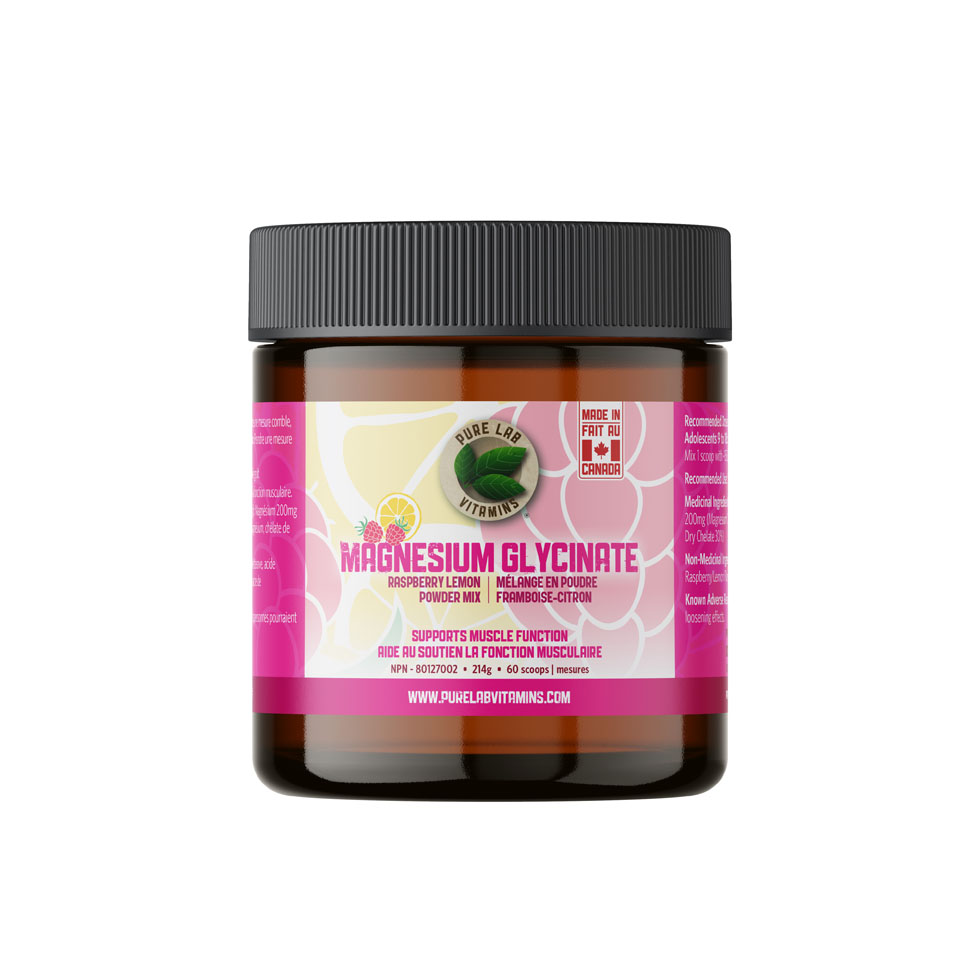
 Magnesium Glycinate Raspberry-Lemon Powder Mix
 Magnesium Glycinate + L-Theanine
 Magnesium Glycinate +Taurine +CoQ10
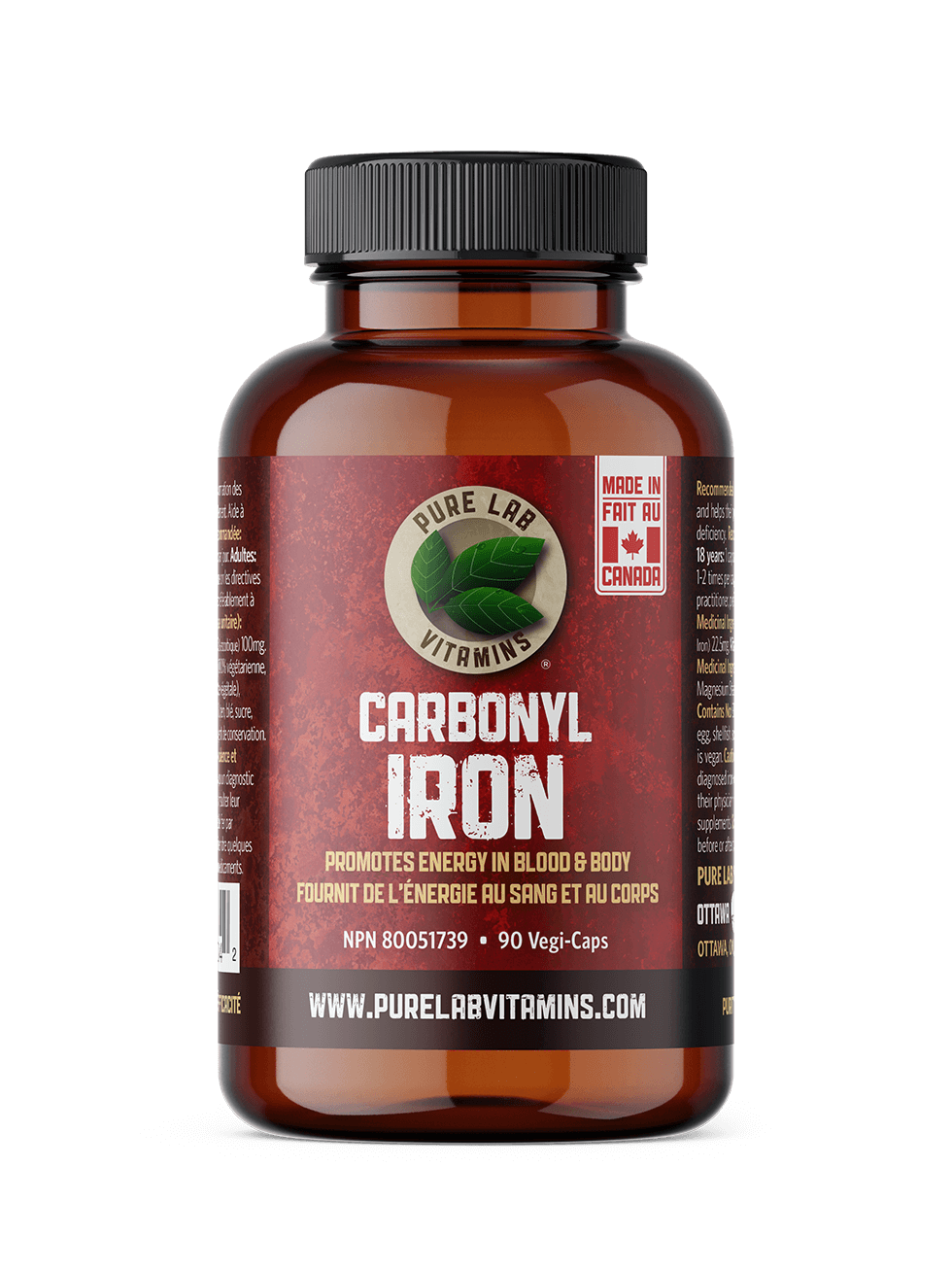 Carbonyl Iron 22.5 MG
 Zinc Glycinate 23 MG
 Copper Glycinate 1 MG
 Selenomethionine 200 MCG
 Calcium Hydroxyapatite
 Bioactive B Complex
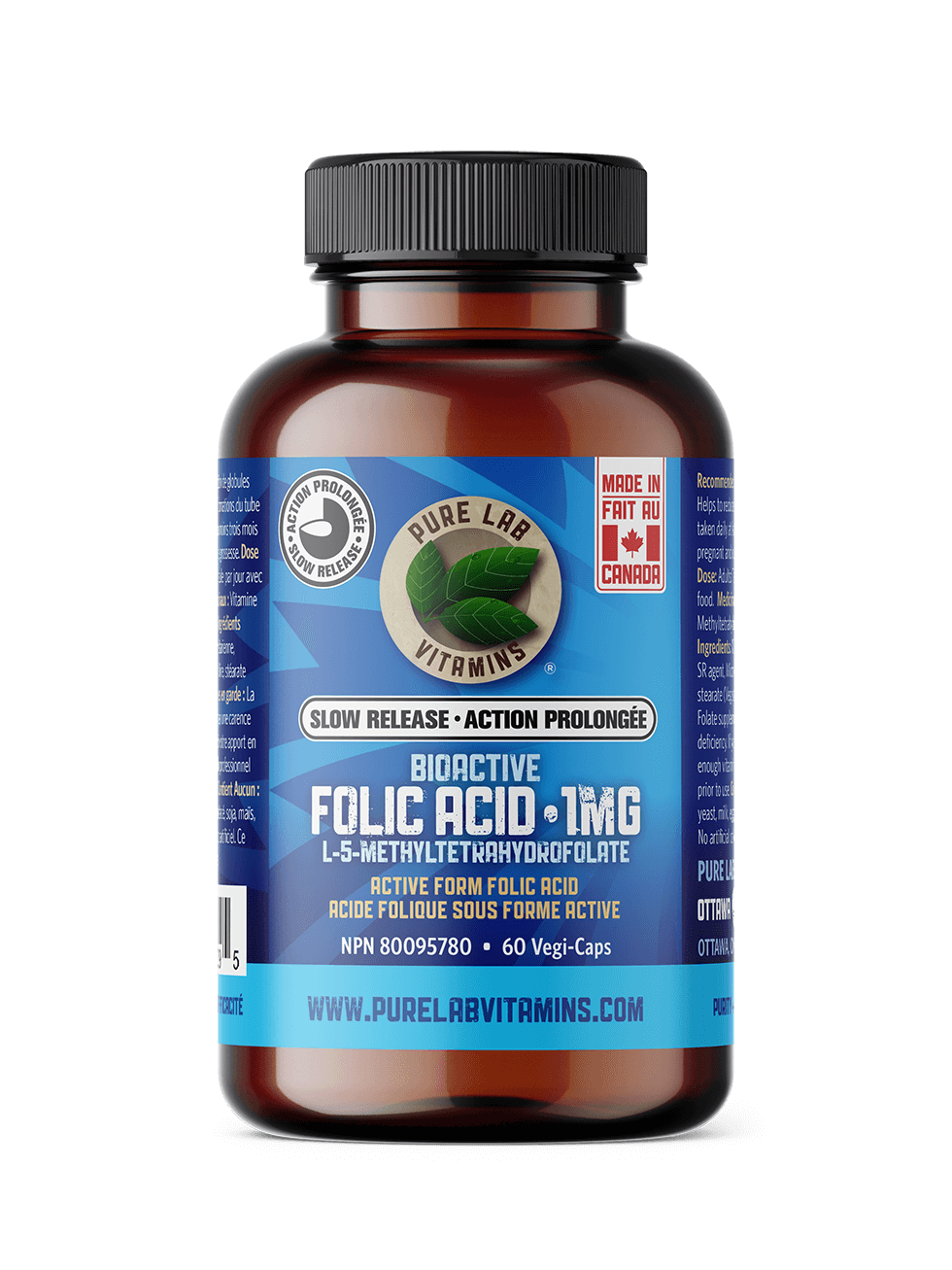 Bioactive Folic Acid 1 MG
 Bioactive B6 (PYRIDOXAL-5-PHOSPHATE) 50 MG
 Bioactive B12 1000 MCG
 Bioactive B12 5000 MCG
 NADH SR 20 MG
 NADH + Ubiquinol
 Vitamin K2-MK7 120 MCG
 NAC 600 MG
 L-THEANINE 250 MG
 L-THEANINE SLOW RELEASE 200 MG
 L-THEANINE CHEWABLES 125 MG
 L-Glutamine Capsules
 L-Glutamine Powder
 Magnesium Butyrate
 DIM
DIM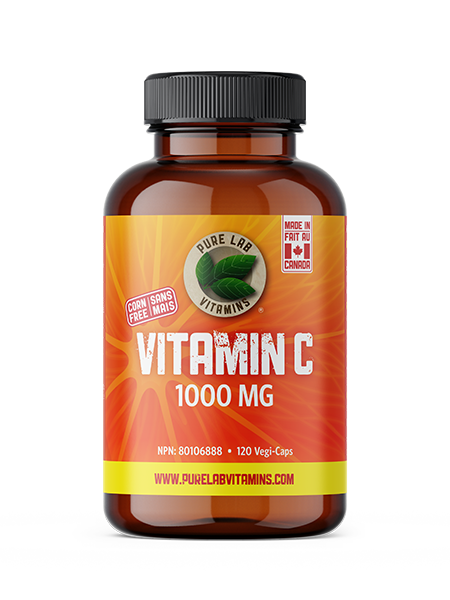 Vitamin C 1000 MG
 Vitamin C Slow Release 1000MG
 Vitamin C Powder
 Vitamin D3 1000IU
 Vitamin D3 2500IU
 Vegan Vitamin D3 1000IU
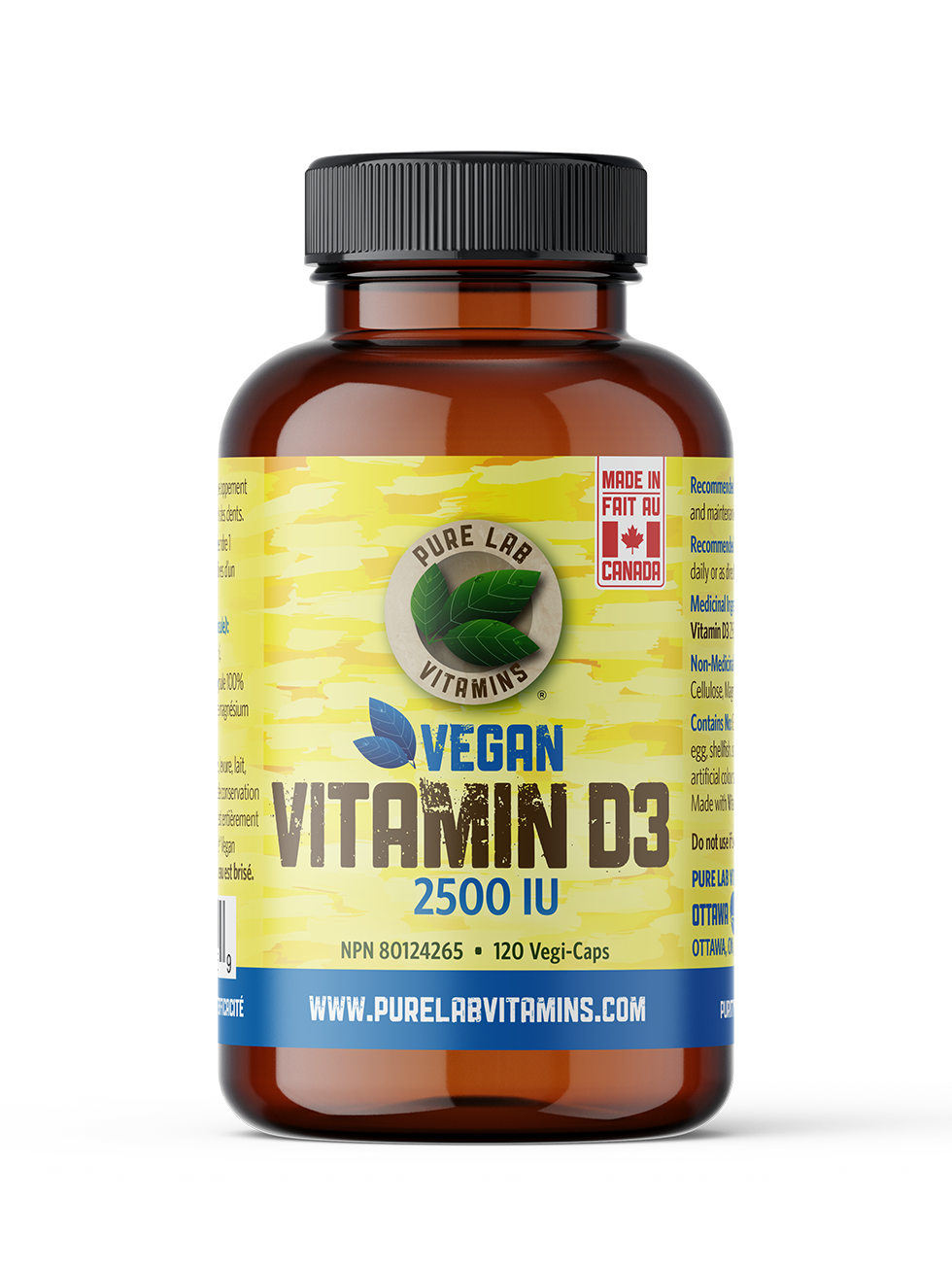 Vegan Vitamin D3 2500IU
 Slow Release Melatonin 10 MG
.png) Magnesium Glycinate +Melatonin
Magnesium Glycinate +Melatonin AlkaPure pH
 ThyroPure
 AdaptaPure
 Rhodiola
 UTI Pure 120s
 UTI Pure Powder













 WHAT'S HAPPENING AT PLV


