
 |
By Andrea Bartels 22 Apr 2026 |
A forgotten name, a misplaced phone — and suddenly your mind jumps to worst-case scenarios. We’ve absorbed decades of messaging suggesting that cognitive decline is unavoidable, progressive, and largely out of our control. But much of what we believe about the aging of the brain is built on myth rather than nuance - - and modern research shows that it’s probably NOT too late to make a difference. Let’s bust some common myths about brain aging.
Truth: Stress is the #1 cause of occasional forgetfulness. The multi-tasking brain that’s helping you juggle your dinner prep while talking on the phone and supervising your children all at the same time is an overloaded brain that is more vulnerable to short-term memory lapses. The high cortisol levels caused by stress, poor sleep, medications, and nutrient imbalances can affect memory, too.
What helps?
Rest and recovery are key. Prioritizing consistent, restorative sleep allows the brain to consolidate memory and clear metabolic waste. Managing stress through mindfulness, one-tasking, breathing techniques, time in nature, yoga, or structured downtime protects the hippocampus, the part of the brain that’s involved in memory processing.
Truth: Thanks for the persistent work of Peter Eriksson and his colleagues who provided direct evidence of new neuron formation in the adult human brain in 1998, we now know certain regions of the brain are capable of generating new brain cells. Specifically, this is most evident in the memory and learning centre, called the hippocampus. That’s how the concept of neuroplasticity was born, which is the brain’s ability to adapt, reorganize and form new connections in response to new experiences.
What helps neuroplasticity? Novelty. Learning new skills, such as playing a musical instrument, speaking a new language, playing a new sport, immersing oneself in a new craft, and engaging in strategy games are just a few of the activities that can stimulate the formation of new neural pathways.
Truth: Don’t blame grandpa for passing down his forgetfulness. Research shows time and again that genetics influence risk of disease, but they do not dictate our destiny. Lifestyle interacts with genes in powerful ways. What we eat and drink, the relationships and jobs we have, stressors and where we live all determine the environment our genes are bathed in, and ultimately, our health and lifespan. This helps explain why identical twins (who are born with exactly the same genetics) who live in different countries as adults can have very different health stats.
What helps preserve cognition?
Meaningful social connections: Conversation, shared meals and community involvement all stimulate multiple cognitive domains at once. This may be why researchers have found that seniors who live in communal environments like retirement homes fare better mentally than their counterparts who live alone.
Nutrition: Physical nourishment is also important for cognitive wellness. For example, many don’t realize that a healthy adult brain is 60% fat, making it naturally the most fat-rich organ in the body. Ensuring adequate intake of the B vitamins, omega-3 fats, antioxidants, and minerals support the structures of the brain and their optimal function. A brain-supportive eating pattern rich in leafy greens, colorful vegetables, legumes, nuts, seeds, and healthy fats supports inflammation balance and circulation. Maintaining stable blood sugar and consistent movement protect even the smallest blood vessels that nourish the brain. Eating a wide variety of foods and supplementing any nutrients we’re not consuming regularly supports the biochemical side of cognition.
Truth: It’s normal for the brain’s processing speed to gradually slow with advancing age. But staying engaged can protect and preserve our cognitive abilities.
What helps?
Regular physical activity is one of the most protective habits for the brain. Brisk walking, strength training, cycling, dancing and swimming all increase blood flow and support the growth of neural connections.
Supporting vascular health also matters. Maintaining healthy blood pressure, blood sugar, and cholesterol — along with not smoking and moderating alcohol — directly supports the brain’s oxygen and nutrient supply.
Truth: No matter if you’re 40, 50, or 75 years old, your brain remains dynamic throughout your lifespan.
Here’s a summary of what helps:
Start a new exercise routine.
Learn something new.
Improving sleep quality.
Eat a varied diet.
Keep socially engaged.
A More Empowering Perspective
Brain aging reflects how well we support circulation, energy production, stress regulation, nutrient status, and mental engagement over years and decades. The narrative of inevitability overlooks how incredibly complex, adaptable, and resilient the human brain is. Look after this highly responsive organ with the positive daily habits like the ones I’ve identified above, and you’ll harness the most powerful anti-aging tools we have.
References
Eriksson PS, Perfilieva E, Björk-Eriksson T, Alborn AM, Nordborg C, Peterson DA, Gage FH. Neurogenesis in the adult human hippocampus. Nat Med. 1998 Nov;4(11):1313-7.
Newsroom, John Hopkins Medicine. “New Studies Suggest Social Isolation is a Risk Factor for Dementia in Older Adults, Point to Ways to Reduce Risk.” Published online 01/12/2023.
Roberts SB, Silver RE, Das SK, et al. Healthy Aging-Nutrition Matters: Start Early and Screen Often. Adv Nutr. 2021;12(4):1438-1448.
Van Tulleken, Chris. “How my genetically identical twin ended up THREE STONE heavier than me: Dr. Chris Van Tulleken reveals the devastating effects a diet of ultra processed food can have.” The Daily Mail, April 23 2023.
 WHAT'S HAPPENING AT PLV


 Magnesium Glycinate 100 mg
 Magnesium Glycinate Fully Reacted 100 mg
 Magnesium Glycinate 165 mg
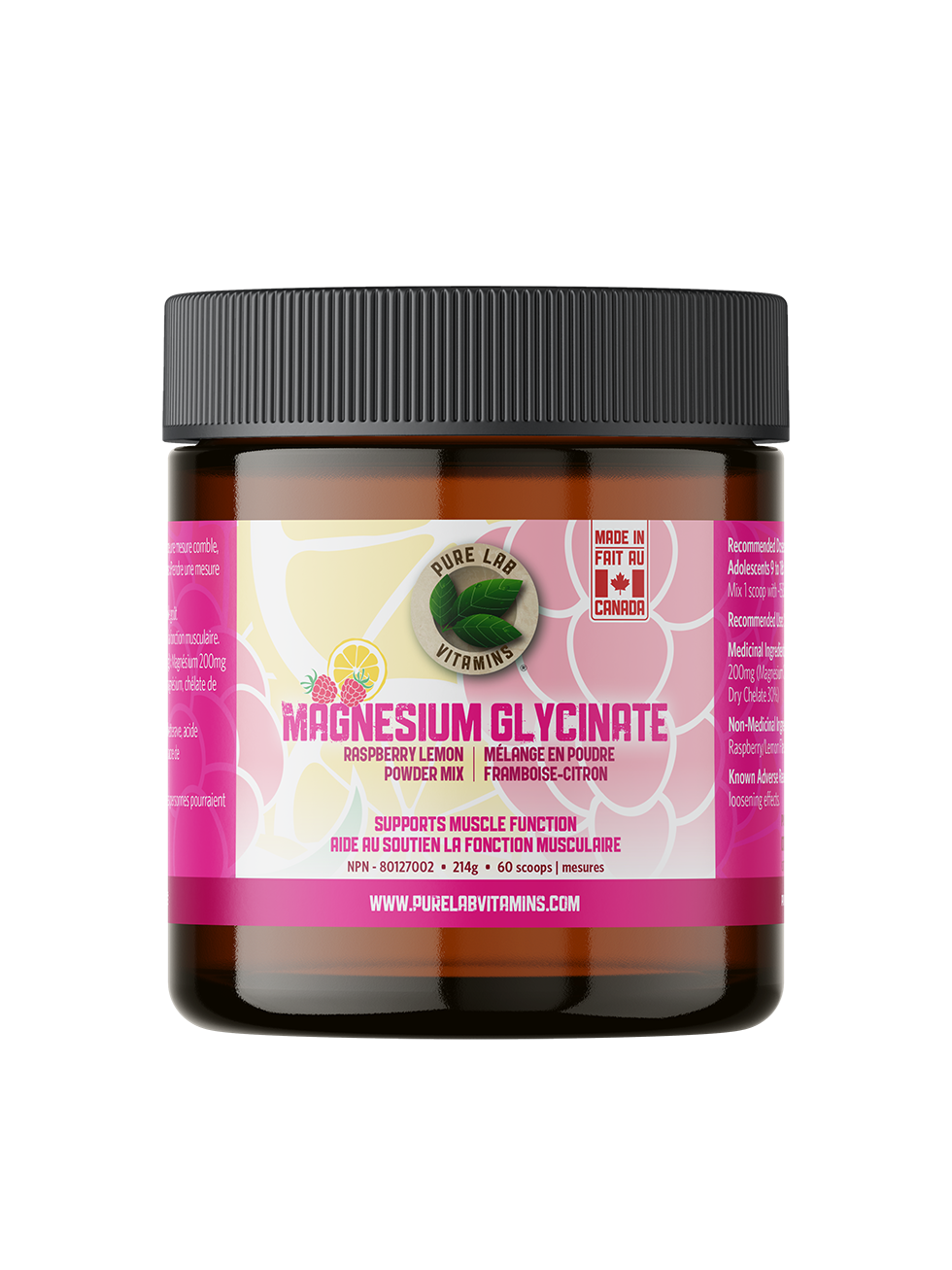 Magnesium Glycinate Raspberry Lemon-Powder Mix
 Magnesium Glycinate + L-Theanine
 Magnesium Glycinate +Taurine +CoQ10
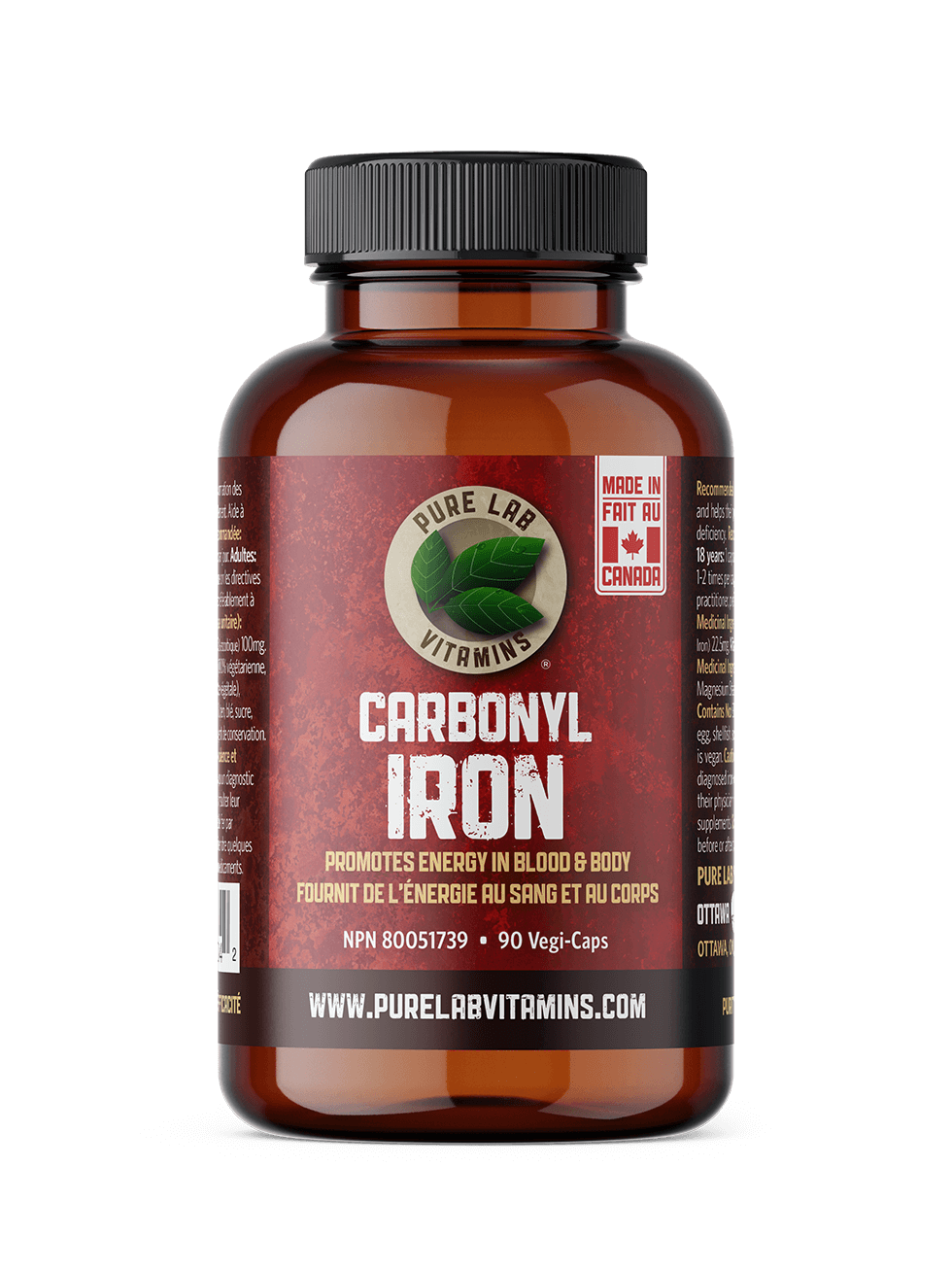 Carbonyl Iron 22.5 MG
 Zinc Glycinate 23 MG
 Copper Glycinate 1 MG
 Selenomethionine 200 MCG
 Calcium Hydroxyapatite
 Bioactive B Complex
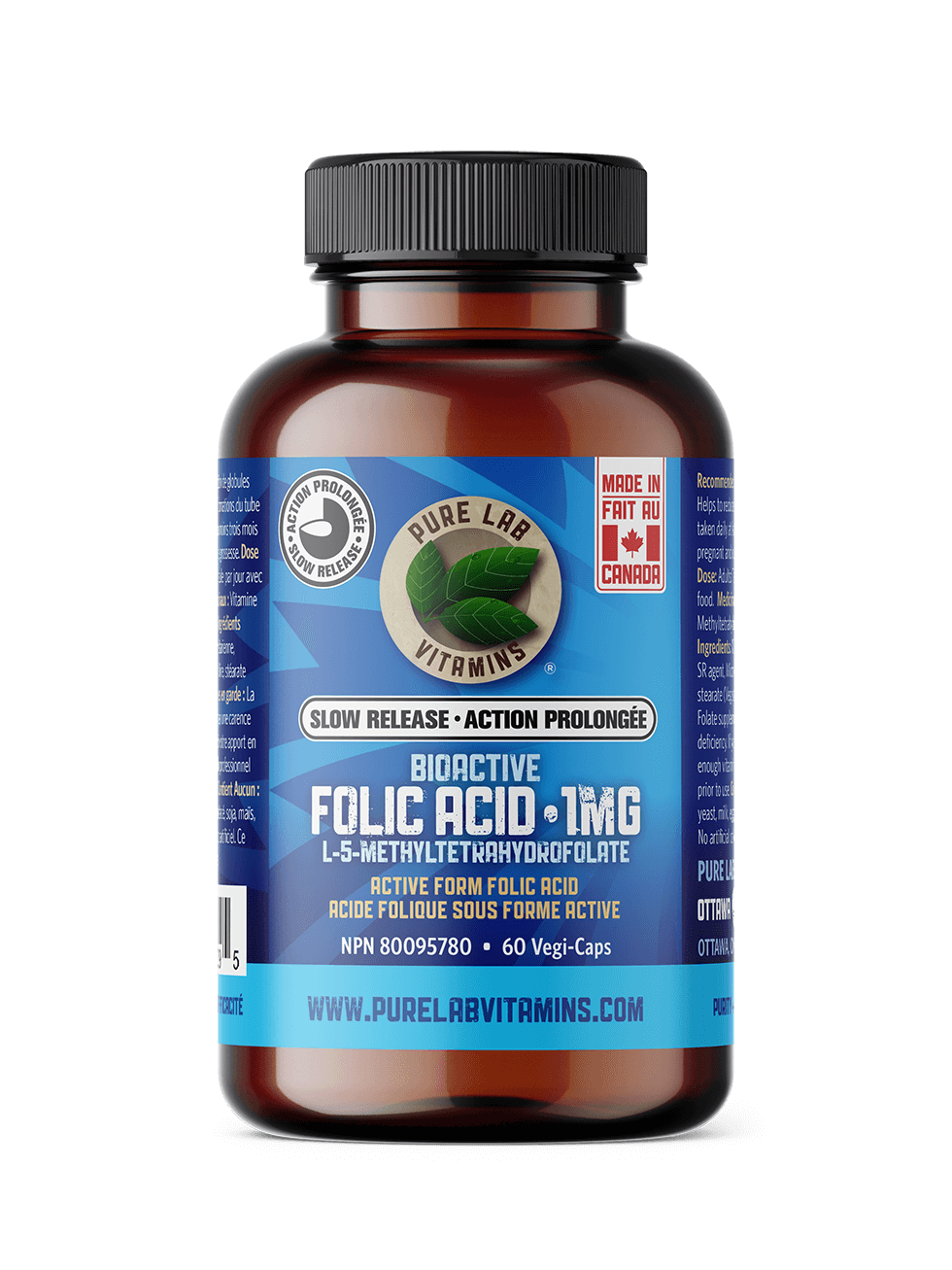 Bioactive Folic Acid 1 MG
 Bioactive B6 (PYRIDOXAL-5-PHOSPHATE) 50 MG
 Bioactive B12 1000 MCG
 Bioactive B12 5000 MCG
 NADH SR 20 MG
 NADH + Ubiquinol
 Vitamin K2-MK7 120 MCG
 NAC 600 MG
 L-THEANINE 250 MG
 L-THEANINE SLOW RELEASE 200 MG
 L-THEANINE CHEWABLES 125 MG
 L-Glutamine Capsules
 L-Glutamine Powder
 Magnesium Butyrate
 DIM
DIM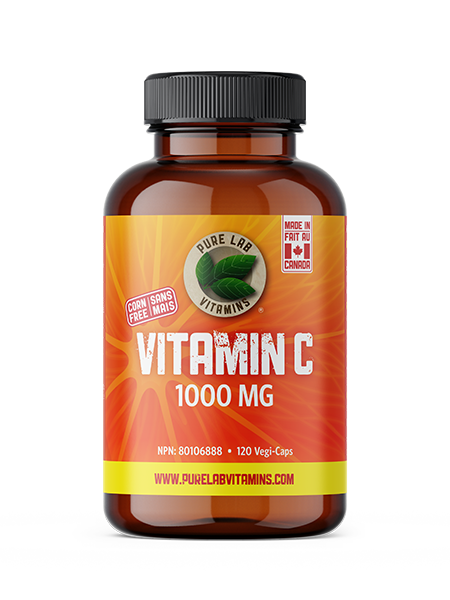 Vitamin C 1000 MG
 Vitamin C Slow Release 1000MG
 Vitamin C Powder
 Vitamin D3 1000IU
 Vitamin D3 2500IU
 Vegan Vitamin D3 1000IU
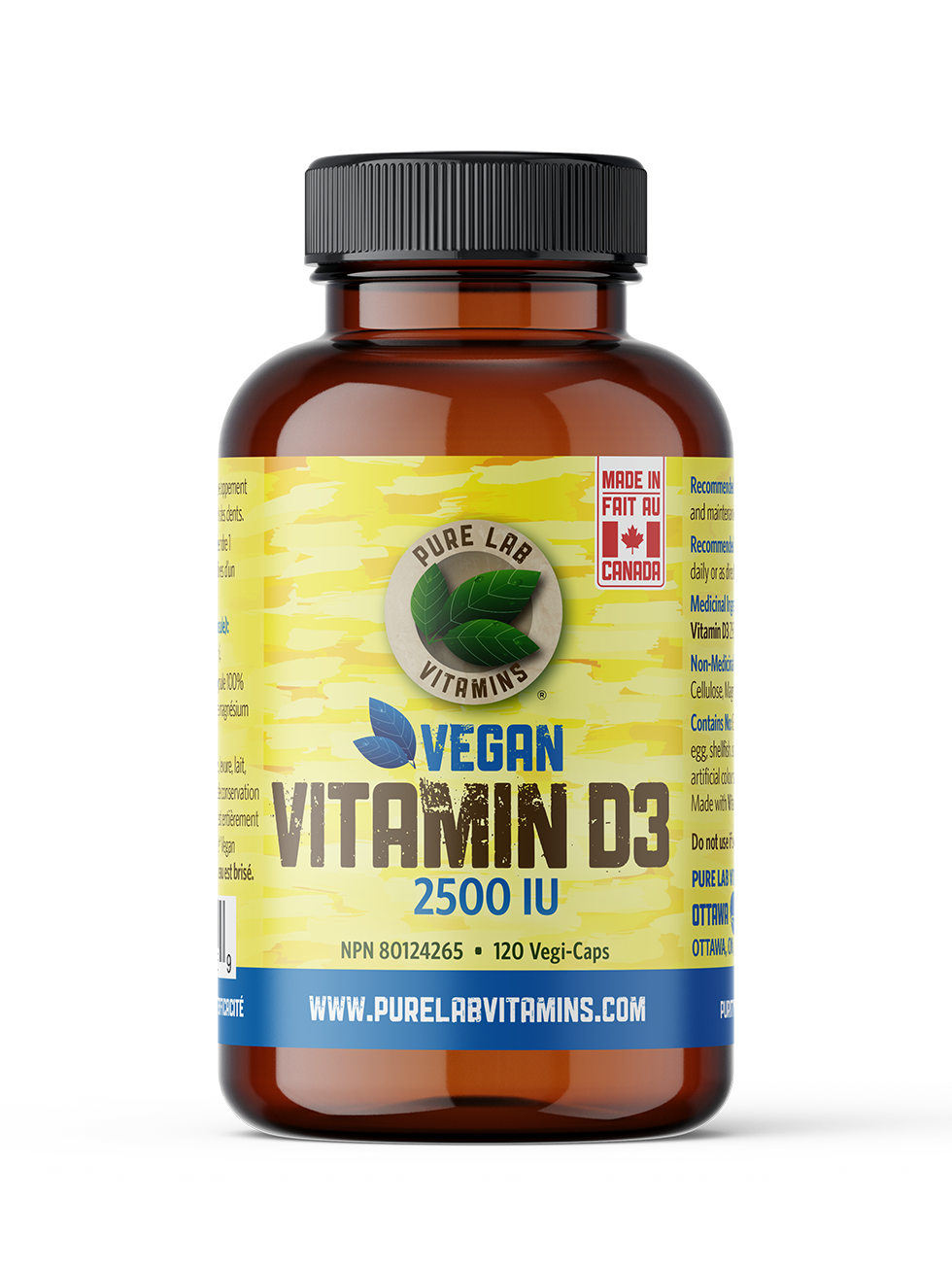 Vegan Vitamin D3 2500IU
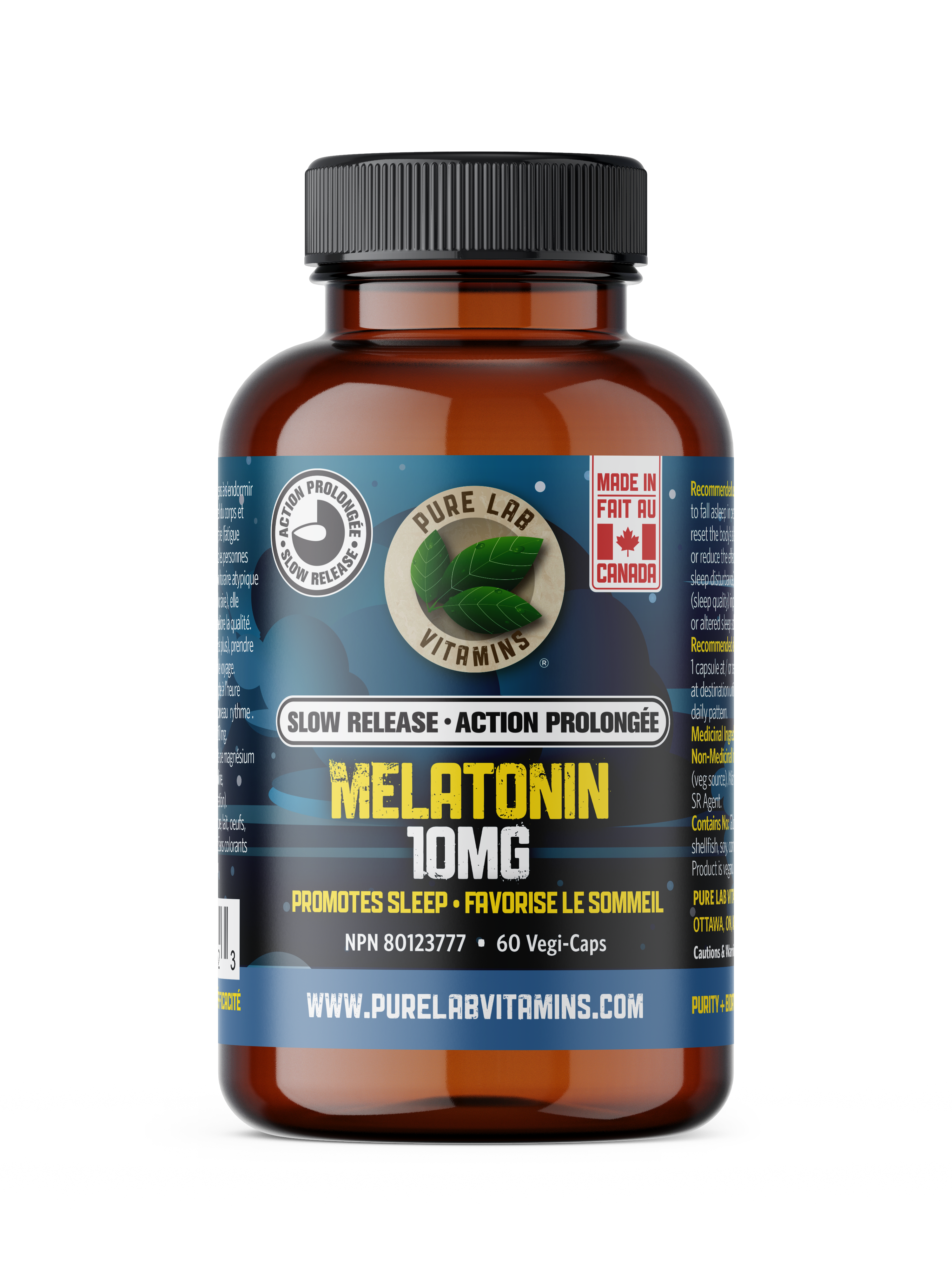 Slow Release Melatonin 10 MG
.png) Magnesium Glycinate +Melatonin
Magnesium Glycinate +Melatonin AlkaPure pH
 ThyroPure
 AdaptaPure
 Rhodiola
 UTI Pure 120s
 UTI Pure Powder