
 |
By Andrea Bartels 01 May 2026 |
As estrogen and progesterone decline and daily stressors build, your heart and circulatory system can benefit from extra care. But you don’t have to wait for symptoms to show up. Start supporting your heart now, so it keeps showing up for you. Small, intentional choices—like the right nutrients—can make a lasting impact. Here’s how.
Hormones can directly impact cardiovascular health. While estrogen is often associated with reproductive functions, it also plays an important role in maintaining the strength and flexibility of blood vessels. Estrogen receptors line the heart and arteries, where they receive estrogen and support healthy circulation by keeping arteries supple and flexible.
As estrogen levels decline approaching menopause, this natural protection decreases, which can lead to increased arterial stiffness and reduced cardiovascular resilience. As they progress through their forties, some women notice signs like cold hands and feet, slower hair growth or hair loss on the lower legs, or reduced exercise stamina—but others may experience no obvious symptoms, even as cardiovascular health begins to change. That’s why it’s important to monitor key indicators of heart and artery health.
In your 40s, changes in cholesterol, blood sugar, and blood pressure can develop quietly—often without obvious symptoms. As these are considered key blood markers that reflect cardiovascular risk, here’s a brief reminder of the cornerstones for keeping these healthy:
Keep active and keep it FUN: The heart symbolizes joy! Partaking in regular sports and forms of movement that you enjoy is key. Whether it’s walking in nature, pumping iron, swimming, or dancing, keeping consistently active supports healthy blood pressure, helps maintain glucose control and keeps cholesterol levels in check.
Manage your stress: Managing stress through regular movement, quality sleep, and calming practices like deep breathing or meditation helps support a more balanced nervous system and protects long-term heart health.
Balance your meals: If you’re a self-declared “carb-aholic”, be sure to balance each meal with protein, fiber and healthy fats. A high-carb diet that’s not balanced can be a recipe for high blood lipids (cholesterol and triglycerides)---something doctors urge their patients to manage mindfully.
Balancing quality proteins, fats and carbs lay the nutritional foundation for heart health—but it’s vitamins and minerals that fine-tune how your cardiovascular system performs day to day.
Magnesium, CoQ10, and taurine support your heart in different but complementary ways:
Magnesium helps relax the muscles of the blood vessels, an effect which supports healthy blood pressure. Along with electrolytes potassium and sodium, magnesium also supports regular heart rhythm. Notably, low magnesium levels have been associated with high blood pressure, diabetes and high cholesterol.
CoQ10 (ubiquinone) and its active form, ubiquinol - - helps fuel the heart’s high energy demands while protecting it from oxidative damage. This becomes especially important for individuals taking statins for cholesterol management, which can reduce their body’s natural CoQ10 production.
Taurine is an amino acid found in high concentrations of a healthy heart, helping the electrolytes potassium, magnesium and sodium maintain strong, steady heartbeats. Taurine also functions as an antioxidant within the heart muscle, an action that reduces oxidative damage.
Together, these nutrients work synergistically to protect cardiovascular tissues and contribute to healthy heart function. Formulations like Pure Lab’s Magnesium Glycinate + Taurine + CoQ10 bring them together in meaningful amounts, delivering 300 mg of elemental magnesium, 1500 mg of taurine, and 80 mg of KanekaTM ubiquinol to support cardiovascular function on multiple levels.
Vitamin C adds another layer of protection. As an antioxidant, it helps defend against free radical damage—such as that from air pollutants—while supporting collagen production for strong, resilient blood vessels. For consistent daily support, a high-quality, corn-free option like Pure Lab’s Vitamin C, available in additive-free powder, standard 1000 mg capsules, or slow-release capsules, can help maintain steady levels throughout the day.
Vitamin K2 also plays a critical role in long-term vascular health by helping direct calcium into the bones—where it belongs—and away from the arteries. The MK-7 form is particularly effective for this function. Pure Lab’s Vitamin K2-MK7, made exclusively with double micro-encapsulated MK-7, offers enhanced stability and absorption, while remaining soy-free and compatible with mineral supplementation.
Together, these nutrients help maintain the flexibility, strength, and resilience of your cardiovascular system—supporting heart health both now and over time as cardiovascular system as hormonal changes unfold.
The choices you make now—especially in your 40s—can have a lasting impact on how your cardiovascular system functions later in life. By combining nutrients like magnesium, vitamin K2, vitamin C, taurine, and ubiquinol, you’re supporting blood vessel health, energy production, and the structural integrity of the heart—all at once. This can translate to sustained energy and stamina for work and play. Give your heart the support it needs to keep up with you for years to come.
References
Argeros Z, Xu X, Bhandari B, Harris K, Touyz RM, Schutte AE. Magnesium Supplementation and Blood Pressure: A Systematic Review and Meta-Analysis of Randomized Controlled Trials. Hypertension. 2025;82(11):1844-1856
DiNicolantonio JJ, Liu J, O'Keefe JH. Magnesium for the prevention and treatment of cardiovascular disease. Open Heart. 2018;5(2):e000775. Published 2018 Jul 1.
Martelli A, Testai L, Colletti A, Cicero AFG. Coenzyme Q10: Clinical Applications in Cardiovascular Diseases. Antioxidants (Basel). 2020;9(4):341. Published 2020 Apr 22.
Morelli MB, Gambardella J, Castellanos V, Trimarco V, Santulli G. Vitamin C and Cardiovascular Disease: An Update. Antioxidants (Basel). 2020;9(12):1227. Published 2020 Dec 3.
Murphy E. Estrogen signaling and cardiovascular disease. Circ Res. 2011 Sep 2;109(6):687-96.
Rosique-Esteban N, Guasch-Ferré M, Hernández-Alonso P, Salas-Salvadó J. Dietary Magnesium and Cardiovascular Disease: A Review with Emphasis in Epidemiological Studies. Nutrients. 2018;10(2):168. Published 2018 Feb 1.
Satoh H. Cardiac actions of taurine as a modulator of the ion channels. Adv Exp Med Biol. 1998;442:121-8.
Suleiman MS. New concepts in the cardioprotective action of magnesium and taurine during the calcium paradox and ischaemia of the heart. Magnes Res. 1994 Dec;7(3-4):295-312.
Villa JKD, Diaz MAN, Pizziolo VR, Martino HSD. Effect of vitamin K in bone metabolism and vascular calcification: A review of mechanisms of action and evidences. Crit Rev Food Sci Nutr. 2017;57(18):3959-3970.
 WHAT'S HAPPENING AT PLV


 Magnesium Glycinate 100 mg
 Magnesium Glycinate Fully Reacted 100 mg
 Magnesium Glycinate 165 mg
 Magnesium Glycinate Raspberry Lemon-Powder Mix
 Magnesium Glycinate + L-Theanine
 Magnesium Glycinate +Taurine +CoQ10
 Carbonyl Iron 22.5 MG
 Zinc Glycinate 23 MG
 Copper Glycinate 1 MG
 Selenomethionine 200 MCG
 Calcium Hydroxyapatite
 Bioactive B Complex
 Bioactive Folic Acid 1 MG
 Bioactive B6 (PYRIDOXAL-5-PHOSPHATE) 50 MG
 Bioactive B12 1000 MCG
 Bioactive B12 5000 MCG
 NADH SR 20 MG
 NADH + Ubiquinol
 Vitamin K2-MK7 120 MCG
 NAC 600 MG
 L-THEANINE 250 MG
 L-THEANINE SLOW RELEASE 200 MG
 L-THEANINE CHEWABLES 125 MG
 L-Glutamine Capsules
 L-Glutamine Powder
 Magnesium Butyrate
 DIM
DIM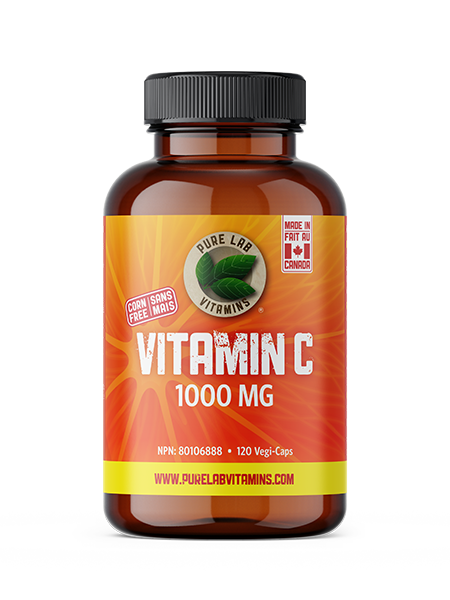 Vitamin C 1000 MG
 Vitamin C Slow Release 1000MG
 Vitamin C Powder
 Vitamin D3 1000IU
 Vitamin D3 2500IU
 Vegan Vitamin D3 1000IU
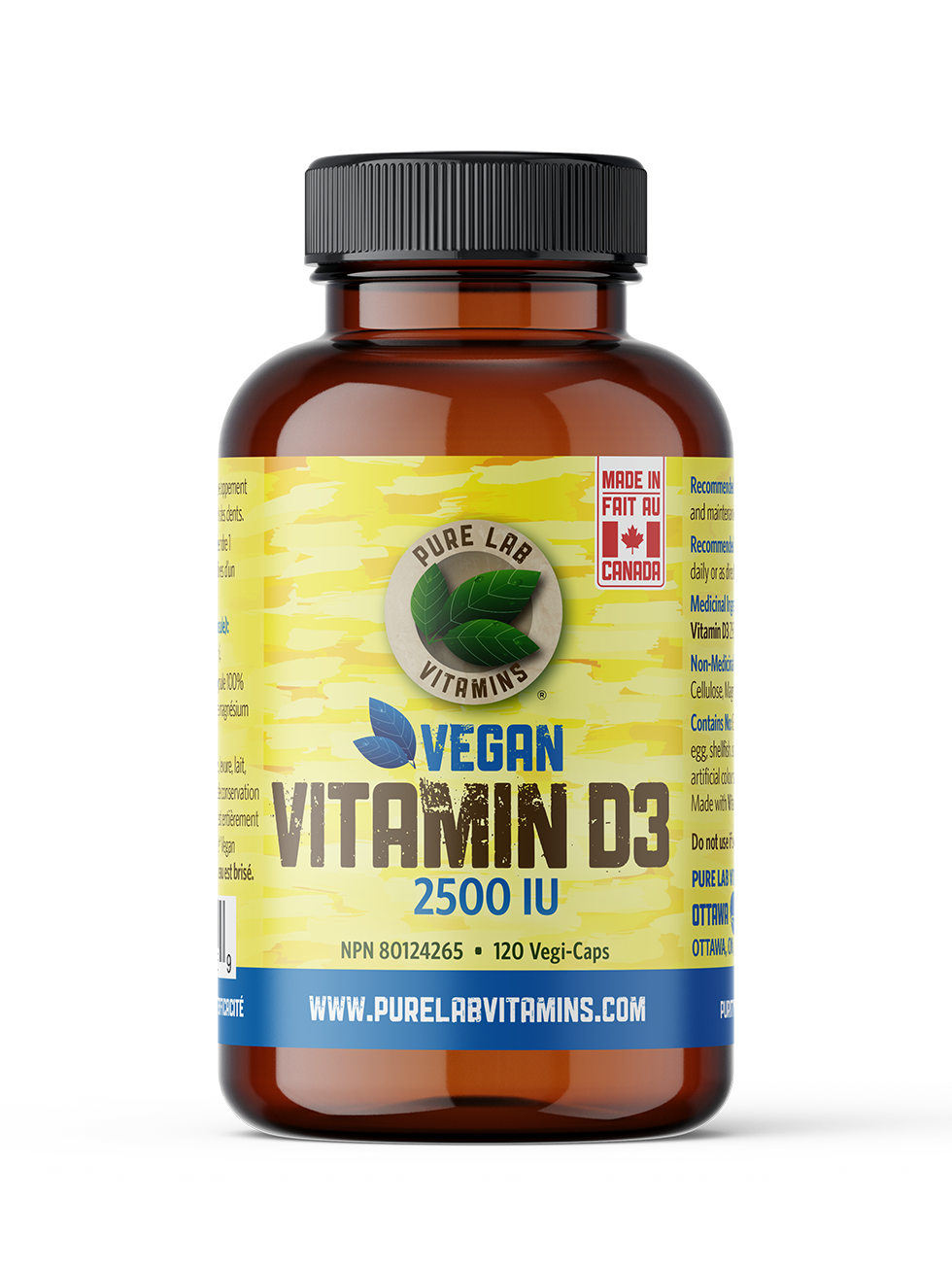 Vegan Vitamin D3 2500IU
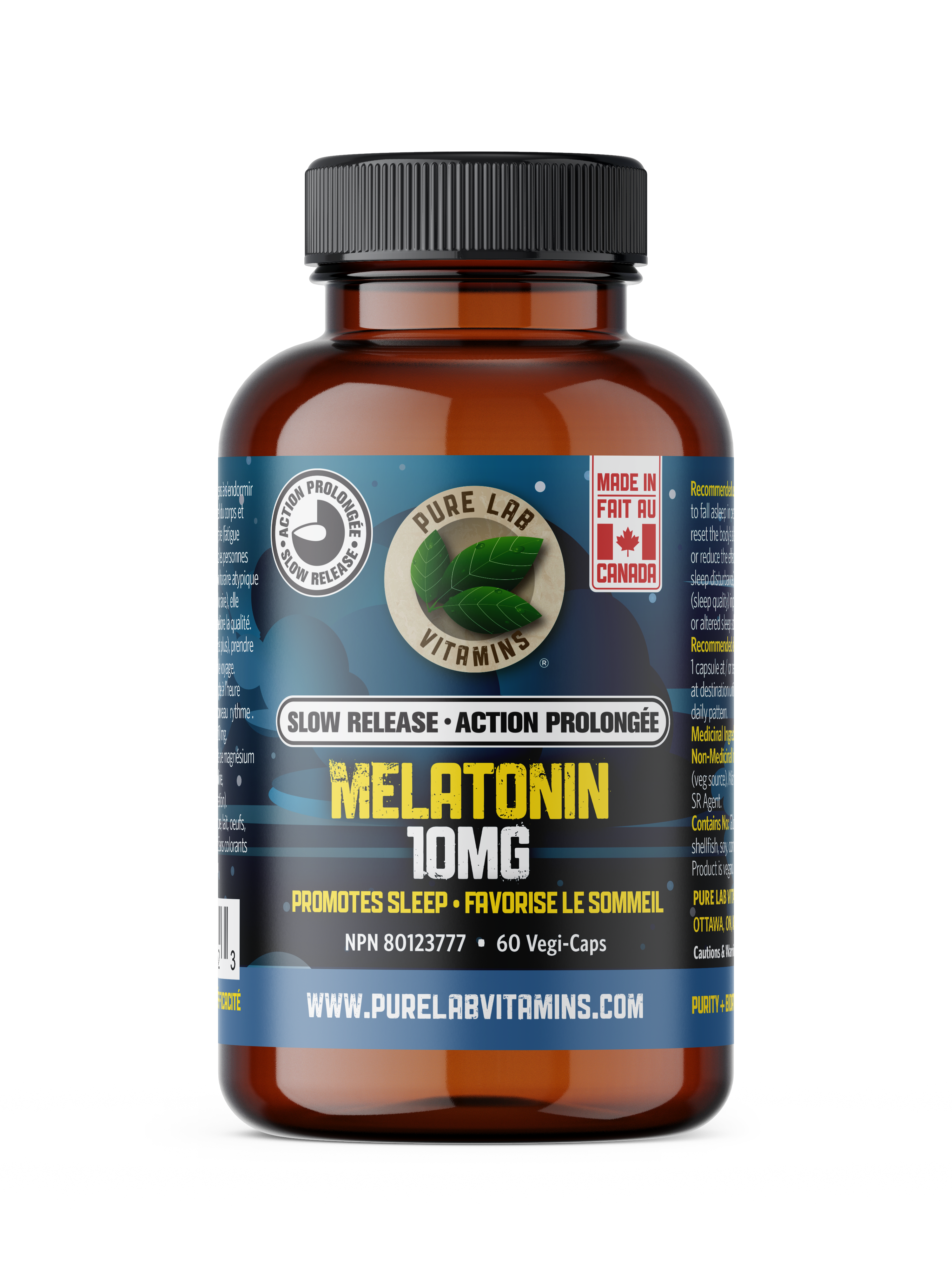 Slow Release Melatonin 10 MG
.png) Magnesium Glycinate +Melatonin
Magnesium Glycinate +Melatonin AlkaPure pH
 ThyroPure
 AdaptaPure
 Rhodiola
 UTI Pure 120s
 UTI Pure Powder