
 |
By Andrea Bartels 21 Mar 2026 |
Years ago, I dated a man named Mike* who was allergic to cats. Since my family’s long-haired cat, Sparky, ruled the house, our dates were always elsewhere—until the night my parents invited him for supper. “No problem,” Mike said confidently. “I’ll just take an antihistamine.”
He forgot.
The evening was going well—easy laughter, friendly questions—until Mike suddenly sneezed. Then again. And again. His eyes reddened, his voice thickened, tissues piling up in his hands. Beneath the coffee table, unnoticed until too late, Sparky lay like a silent, furry saboteur.
“This cat is determined to destroy me!” Mike blurted between sneezes, horror and congestion blending into one dramatic declaration. My mother’s eyes widened. Sparky quietly slinked away, mission apparently accomplished.
Once we explained the allergy to my folks, relief replaced alarm. An antihistamine from the medicine cabinet restored both Mike’s breathing and his dignity—and the evening, thankfully, was saved.
The lesson sounds obvious, and logical: always take allergy medication before being exposed to a known allergen. But was Mike’s allergic reaction the cat’s fault? Absolutely not.
Don’t blame the cat, the pollen, the gluten or the dust for your discomfort. Blame your immune system. The symptoms that lead to us feeling poorly during an allergic reaction are produced by our body’s defense system. When the allergen comes into contact with certain cells of the immune system in our digestive system, respiratory tract and blood, inflammatory chemicals are released. What follows is swelling, heat, redness, pain, and/or itching. This is our body’s way in protecting us from threats it perceives.
The problem is, an allergy is a case of mistaken identity---a malfunctioning immune system that incorrectly identifies what is usually a common, innocuous substance and labels it as a danger to the body. The majority of people do not have an inflammatory response when they come into contact with cats, pollen, or food. But for some reason, the allergic person’s immune system seems to consider the substance a dangerous one that must be expelled from the body.
Feed the body too much of the ‘wrong’ foods and it will become inflamed more easily. For example, some foods – like red wine vinegar, cheese and soy sauce - - contain histamine. Meanwhile, a body that’s trying to maintain health while on a diet of ultra-processed foods isn’t getting the nutrients it needs for a healthy functioning immune system. What we eat can influence the strength of the inflammatory response.
Even environmental allergies to dust, tree or grass pollen, moulds and animals can improve when we modify the diet. The idea is to continue to avoid your personal allergens as much as possible, but to also reduce the production of symptom-inducing inflammatory chemicals.
There are many nutrients that are vital to a healthy immune system. Vitamin C regulates histamine levels. Vitamin D supports proper balance and appropriate immune response to things that really matter, like infectious organisms and poisons. Adequate zinc supports healthy defensive barriers like the skin and mucosal membranes, and supports a more measured immune response—less overreaction, more appropriate defense. These are just a few essential nutrients that help the immune system stay balanced instead of over-reactive to environmental and dietary allergens.
Allergies may feel like a battle against the outside world, but the real conversation is happening within. It’s not the pollen, the cat, or the cheese that are the villains—they are simply messengers revealing how reactive or resilient the immune system has become. Instead of declaring war on Spring, we can work toward restoring balance within ourselves. While avoidance and medication certainly have their place, we also have an opportunity to support the body from the inside out. By nourishing the immune system with the nutrients it needs and reducing the dietary and lifestyle factors that fuel inflammation, we can often soften the intensity of the response.
*name has been changed to protect privacy
Important note: anaphylaxis is a life-threatening, extreme form of allergic reaction. Do not attempt to eat or expose yourself to your known allergens under any circumstances if you have an anaphylactic allergy.
 WHAT'S HAPPENING AT PLV


 Magnesium Glycinate 100 mg
 Magnesium Glycinate Fully Reacted 100 mg
 Magnesium Glycinate 165 mg
 Magnesium Glycinate Raspberry Lemon-Powder Mix
 Magnesium Glycinate + L-Theanine
 Magnesium Glycinate +Taurine +CoQ10
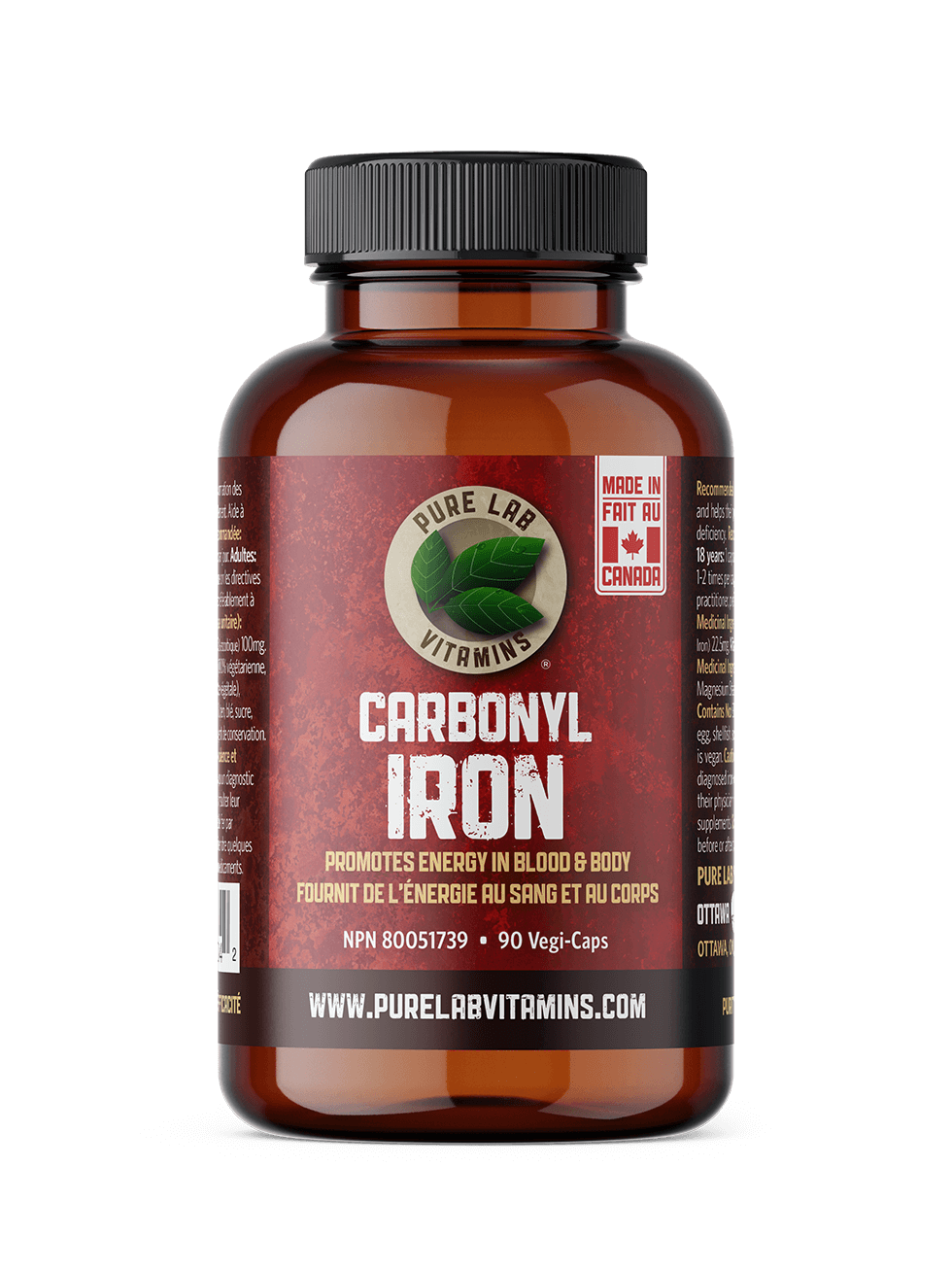 Carbonyl Iron 22.5 MG
 Zinc Glycinate 23 MG
 Copper Glycinate 1 MG
 Selenomethionine 200 MCG
 Calcium Hydroxyapatite
 Bioactive B Complex
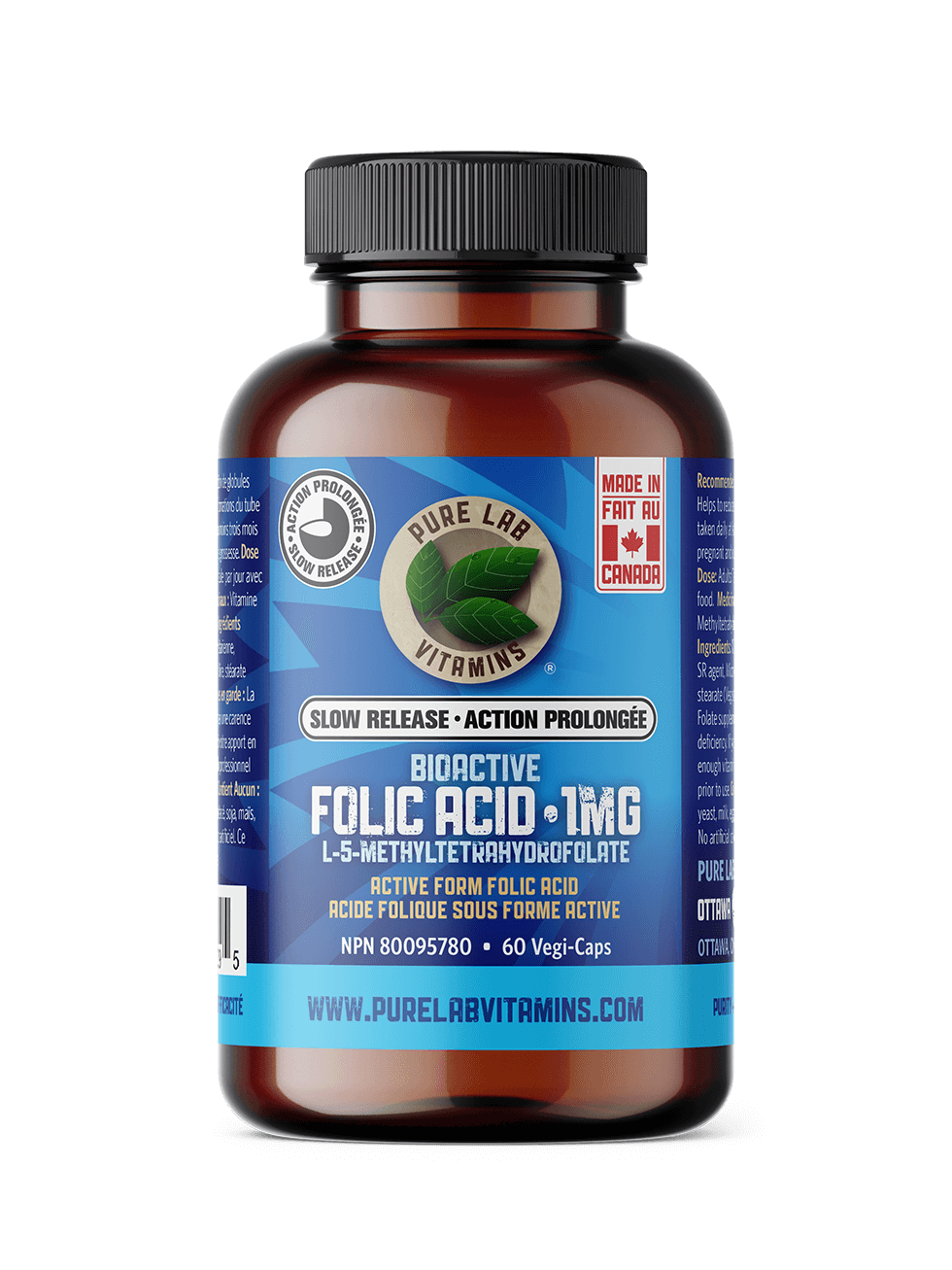 Bioactive Folic Acid 1 MG
 Bioactive B6 (PYRIDOXAL-5-PHOSPHATE) 50 MG
 Bioactive B12 1000 MCG
 Bioactive B12 5000 MCG
 NADH SR 20 MG
 NADH + Ubiquinol
 Vitamin K2-MK7 120 MCG
 NAC 600 MG
 L-THEANINE 250 MG
 L-THEANINE SLOW RELEASE 200 MG
 L-THEANINE CHEWABLES 125 MG
 L-Glutamine Capsules
 L-Glutamine Powder
 Magnesium Butyrate
 DIM
DIM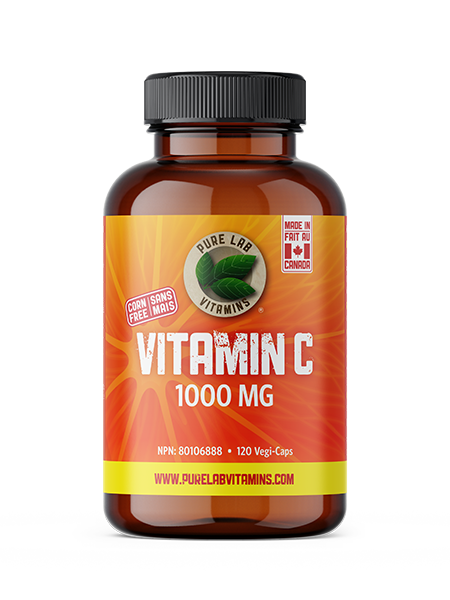 Vitamin C 1000 MG
 Vitamin C Slow Release 1000MG
 Vitamin C Powder
 Vitamin D3 1000IU
 Vitamin D3 2500IU
 Vegan Vitamin D3 1000IU
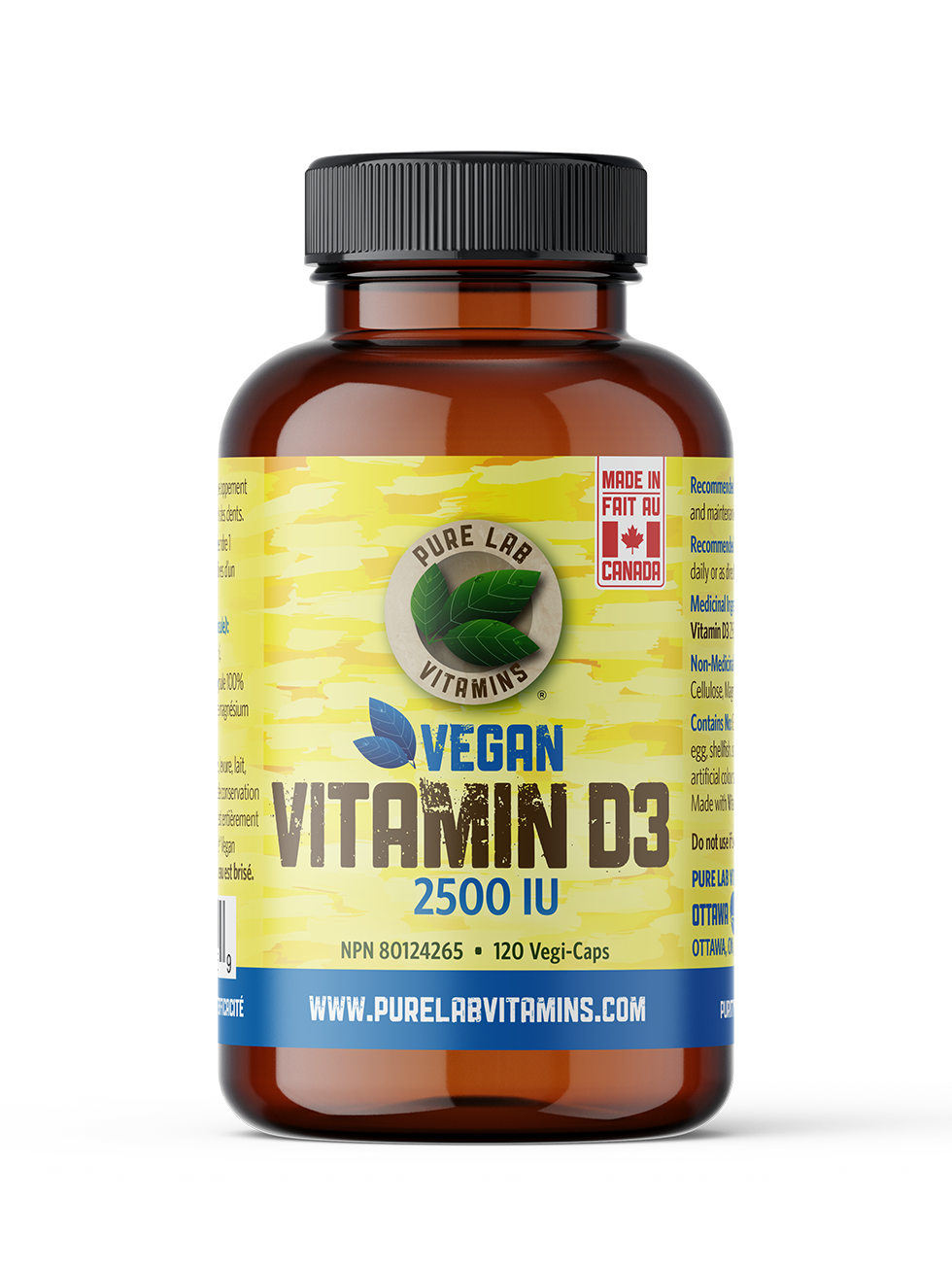 Vegan Vitamin D3 2500IU
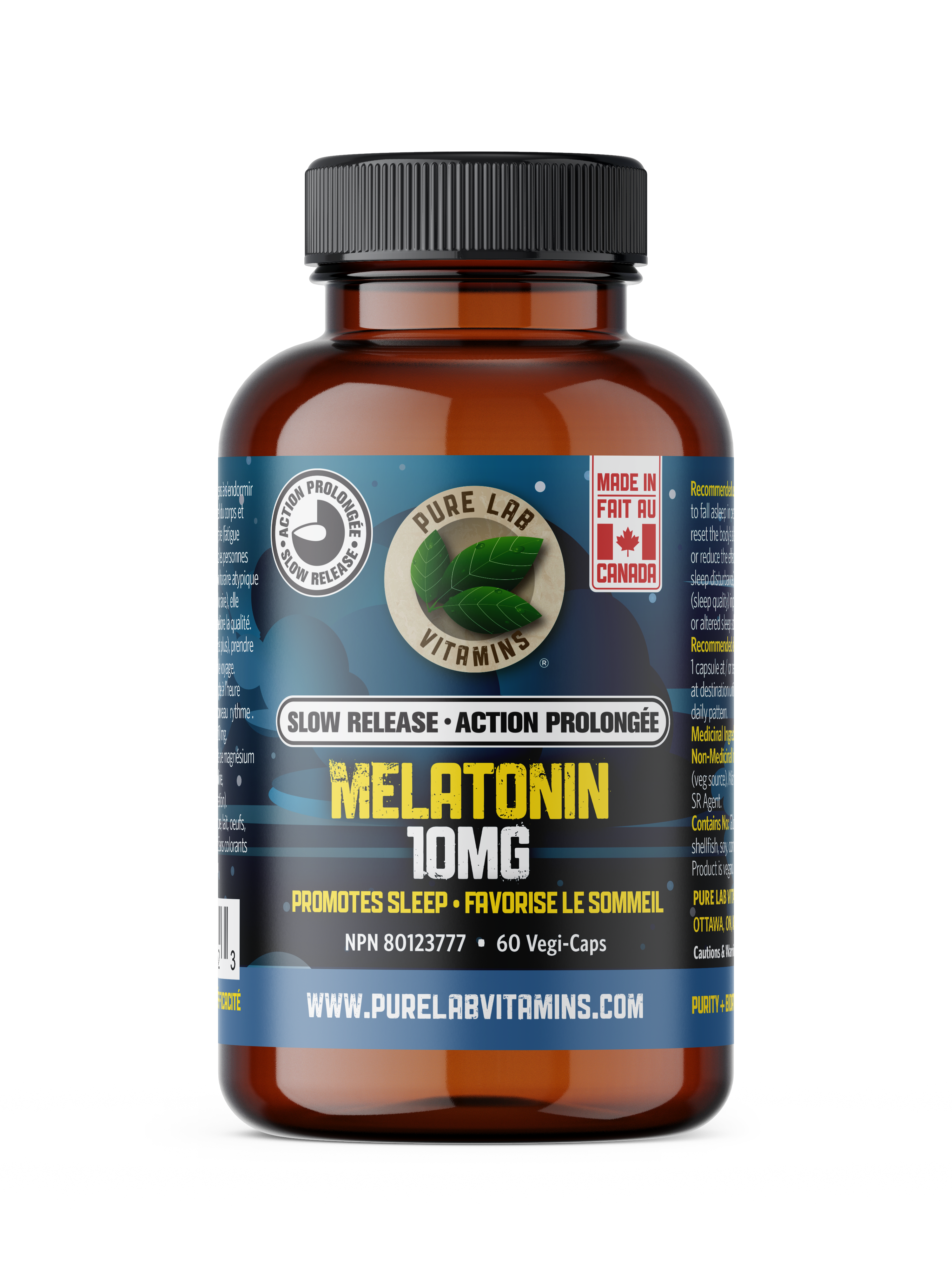 Slow Release Melatonin 10 MG
.png) Magnesium Glycinate +Melatonin
Magnesium Glycinate +Melatonin AlkaPure pH
 ThyroPure
 AdaptaPure
 Rhodiola
 UTI Pure 120s
 UTI Pure Powder