

 |
By Andrea Bartels 29 May 2026 |
Sleep is often the first thing to go when life gets busy. But it’s a critical biological process that supports hormones, cardiovascular health, mental performance, and long-term resilience. That’s why poor sleep can show up as lower energy, reduced focus, slower recovery, and subtle shifts in metabolic and hormonal health. Let’s look at how quality sleep can improve a man’s wellbeing.
Testosterone plays a central role in men’s health—from muscle mass and strength to mood, motivation, and libido. What’s often overlooked is how closely testosterone production is tied to sleep. Most daily testosterone release occurs during the deep phase of your sleep cycle, so when sleep is shortened or fragmented, that production can drop. Even a few nights of insufficient sleep may lead to measurable declines in this hormone. The result isn’t just fatigue; it can affect physical performance, libido, recovery, and overall drive. When you protect your sleep, you protect this powerful performance-driver.
Consider this: Professional athletes typically aim for 7–9 hours of sleep per night, with needs often increasing to 8–10 hours during intense training or competition periods. Yet many men sacrifice recovery time to focus on training harder, lifting more, or pushing further. Sleep is when the body repairs muscle tissue, restores energy stores, and regulates inflammation. Without adequate sleep, muscle recovery slows, and injury risk may increase. Training results can plateau, leaving you feeling like all that effort you’re putting in isn’t amounting to anything. Moving sleep up a few notches on your priority list can make the difference you’re looking for.
Heart health doesn’t only depend on diet and exercise. Sleep plays a regulatory role in blood pressure, blood vessel function, and metabolic balance. In fact, consistently poor sleep quality and short sleep duration have been associated with coronary artery disease risk factors such as hypertension, increased arterial stiffness, and disruptions in blood sugar regulation. These changes often develop without symptoms—making sleep one of the most overlooked contributors to long-term cardiovascular health. That’s why adequate sleep should be part of your long-term preventative heart health plan.
Sleep shapes how you think, react, and perform during work and play. Think back to when you last stayed up ‘past your bedtime’. Concentration drops, thinking slows, and stress hits harder, right? Focus, reaction time, memory, and decision-making all depend on getting enough quality rest. But here’s the upside: prioritizing consistent, high-quality sleep can quickly sharpen your focus, steady your mood, and help you show up at your best every day.
Improving sleep doesn’t require a complete lifestyle overhaul. Small, consistent changes can make a meaningful difference:
Good sleep habits come first—but sometimes your body needs some extra support, especially during stressful periods or inconsistent routines. Here are three options that can help support better sleep:
Magnesium: This essential mineral indirectly supports sleep quality through muscle relaxation. Low magnesium intake has been associated with difficulty falling asleep and staying asleep. When choosing a supplement, consider that magnesium from magnesium glycinate has a higher potential to reach the blood and tissues more effectively than pure magnesium oxide and magnesium citrate. Choosing an additive-free magnesium glycinate formulation such as Pure Lab’s Magnesium Glycinate 165 mg capsules or Powder is an easy way to boost magnesium intake to meet the body’s requirements in a bowel-friendly way.
L-theanine: If your brain doesn’t ‘turn off’ when you turn out the lights, l-theanine may help you. L-theanine is an amino acid known for promoting a state of calm without making you drowsy. This makes it particularly useful when stress or racing thoughts interfere with rest. Pure Lab’s Slow Release L-Theanine can be taken day or night. If staying asleep is your challenge, take it right at bedtime, for longer-lasting rest. The best part? L-theanine can be added seamlessly to your nutrition and medication regime without side effects or contraindications.
You can also enjoy the benefits of a 2-in-1 formulation with Pure Lab’s Magnesium Glycinate + L-Theanine Capsules.
Melatonin: A hormone naturally produced in response to darkness, melatonin helps signal to the body that it’s time to sleep. Exposure to artificial lighting dampens melatonin secretion, making supplemental melatonin useful, especially during travel, shift work, or periods of irregular sleep. If you’re having trouble falling asleep, Pure Lab’s Magnesium Glycinate + Melatonin can be taken one hour before bedtime. If you’re having trouble staying asleep, consider taking a long-lasting melatonin like Pure Lab’s Slow Release Melatonin 10 mg capsules at bedtime. Each dose is formulated to release over 4 to 5 hours, rather than all at once, for a longer-lasting, uninterrupted rest.
Better sleep doesn’t just help you feel better tomorrow—it helps your body function better over time. Sleep isn’t passive—it’s active, restorative, and essential to nearly every system in the body. For men, it supports hormonal balance, recovery, cardiovascular function, and mental performance. If you want better performance and overall health, make sleep your new priority and feel your life begin to change for the better.
References
Abbasi B, Kimiagar M, Sadeghniiat K, Shirazi MM, Hedayati M, Rashidkhani B. The effect of magnesium supplementation on primary insomnia in elderly: A double-blind placebo-controlled clinical trial. J Res Med Sci. 2012;17(12):1161-1169.
Boyle NB, Lawton C, Dye L. The Effects of Magnesium Supplementation on Subjective Anxiety and Stress-A Systematic Review. Nutrients. 2017;9(5):429. Published 2017 Apr 26.
Evans, M., McDonald, A.C., Xiong, L. et al. A Randomized, Triple-Blind, Placebo-Controlled, Crossover Study to Investigate the Efficacy of a Single Dose of AlphaWave® l-Theanine on Stress in a Healthy Adult Population. Neurol Ther 10, 1061–1078 (2021).
Lao XQ, Liu X, Deng HB, et al. Sleep Quality, Sleep Duration, and the Risk of Coronary Heart Disease: A Prospective Cohort Study With 60,586 Adults. J Clin Sleep Med. 2018;14(1):109-117. Published 2018 Jan 15.
Nielsen, Forrest H. “Chapter 31 - Relation between Magnesium Deficiency and Sleep Disorders and Associated Pathological Changes”. Modulation of Sleep by Obesity, Diabetes, Age, and Diet. Academic Press, 2015 pp. 291-296.
Van der Heijden KB, Smits MG, Van Someren EJ, Ridderinkhof KR, Gunning WB. Effect of melatonin on sleep, behavior, and cognition in ADHD and chronic sleep-onset insomnia. J Am Acad Child Adolesc Psychiatry. 2007;46(2):233-241.
 WHAT'S HAPPENING AT PLV


 Magnesium Glycinate 100 mg
 Magnesium Glycinate Fully Reacted 100 mg
 Magnesium Glycinate 165 mg
 Magnesium Glycinate Raspberry Lemon-Powder Mix
 Magnesium Glycinate + L-Theanine
 Magnesium Glycinate +Taurine +CoQ10
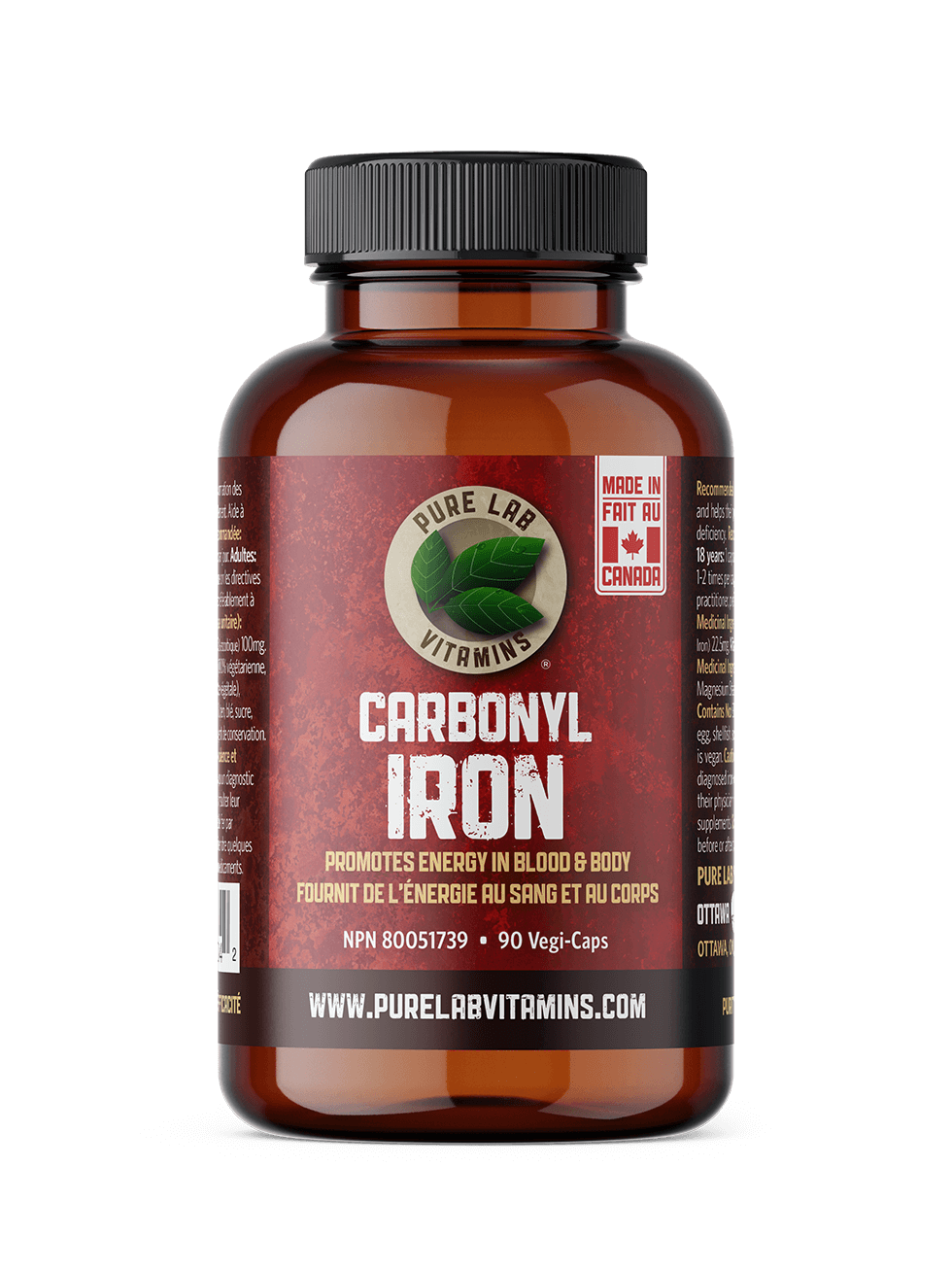 Carbonyl Iron 22.5 MG
 Zinc Glycinate 23 MG
 Copper Glycinate 1 MG
 Selenomethionine 200 MCG
 Calcium Hydroxyapatite
 Bioactive B Complex
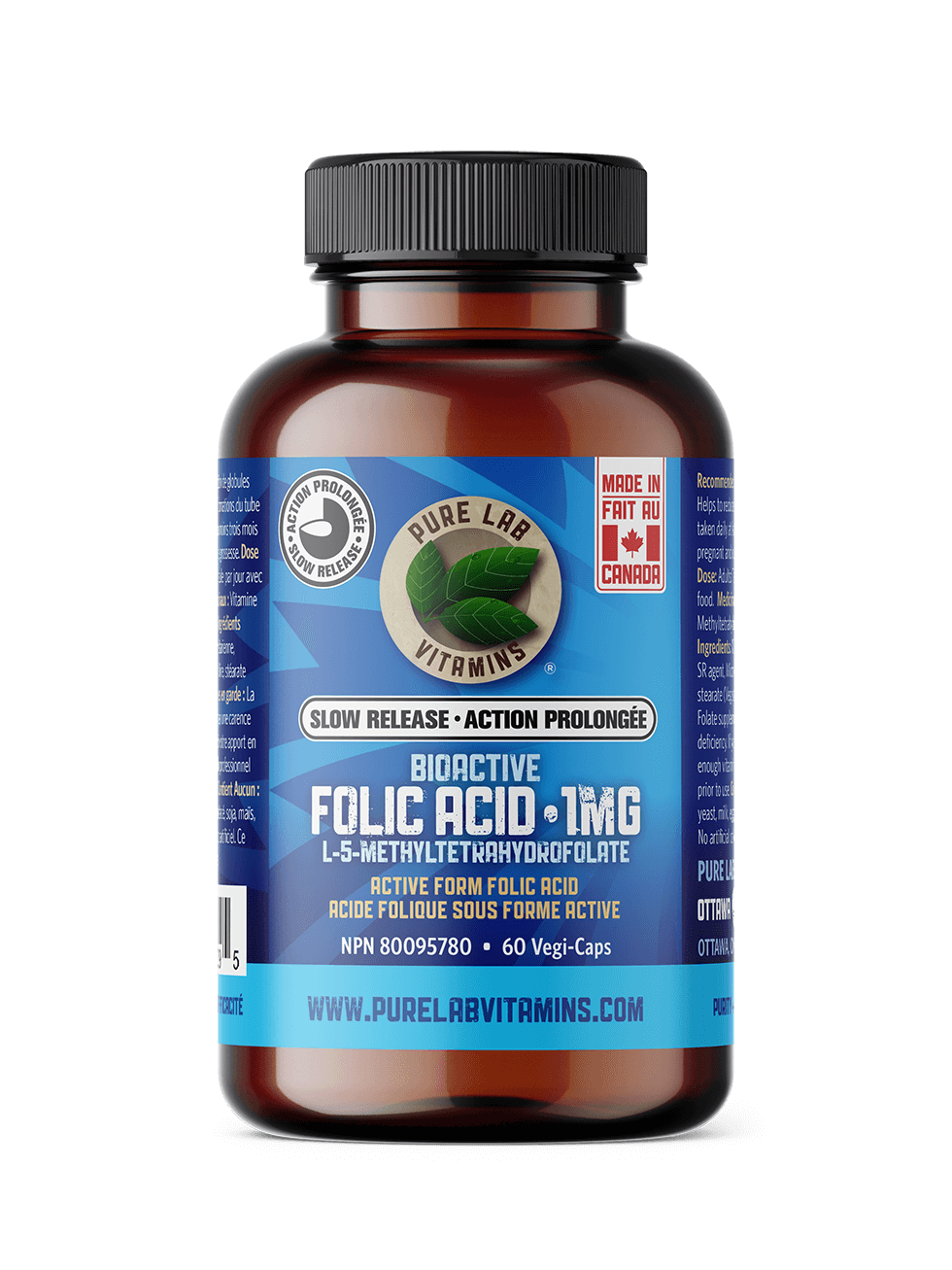 Bioactive Folic Acid 1 MG
 Bioactive B6 (PYRIDOXAL-5-PHOSPHATE) 50 MG
 Bioactive B12 1000 MCG
 Bioactive B12 5000 MCG
 NADH SR 20 MG
 NADH + Ubiquinol
 Vitamin K2-MK7 120 MCG
 NAC 600 MG
 L-THEANINE 250 MG
 L-THEANINE SLOW RELEASE 200 MG
 L-THEANINE CHEWABLES 125 MG
 L-Glutamine Capsules
 L-Glutamine Powder
 Magnesium Butyrate
 DIM
DIM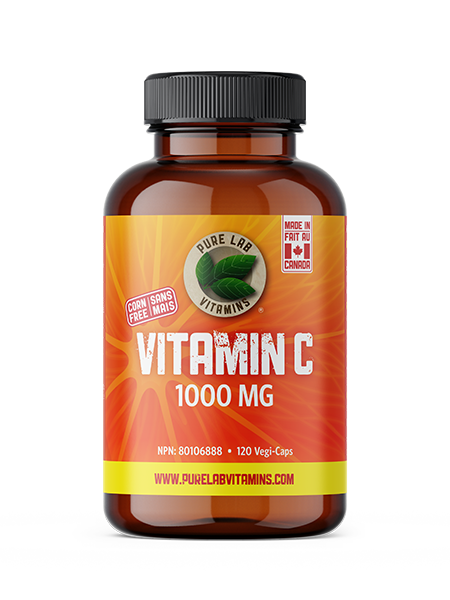 Vitamin C 1000 MG
 Vitamin C Slow Release 1000MG
 Vitamin C Powder
 Vitamin D3 1000IU
 Vitamin D3 2500IU
 Vegan Vitamin D3 1000IU
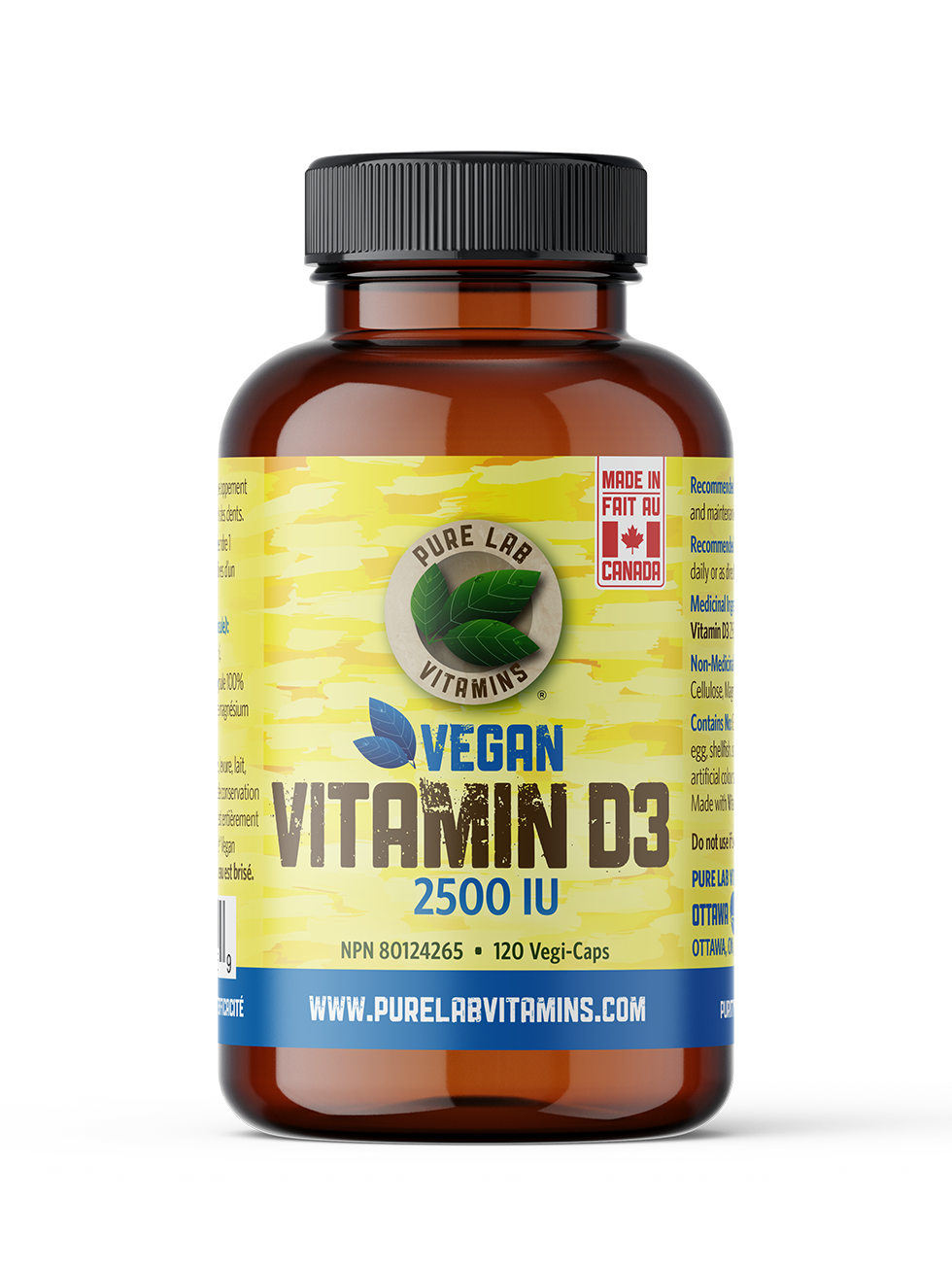 Vegan Vitamin D3 2500IU
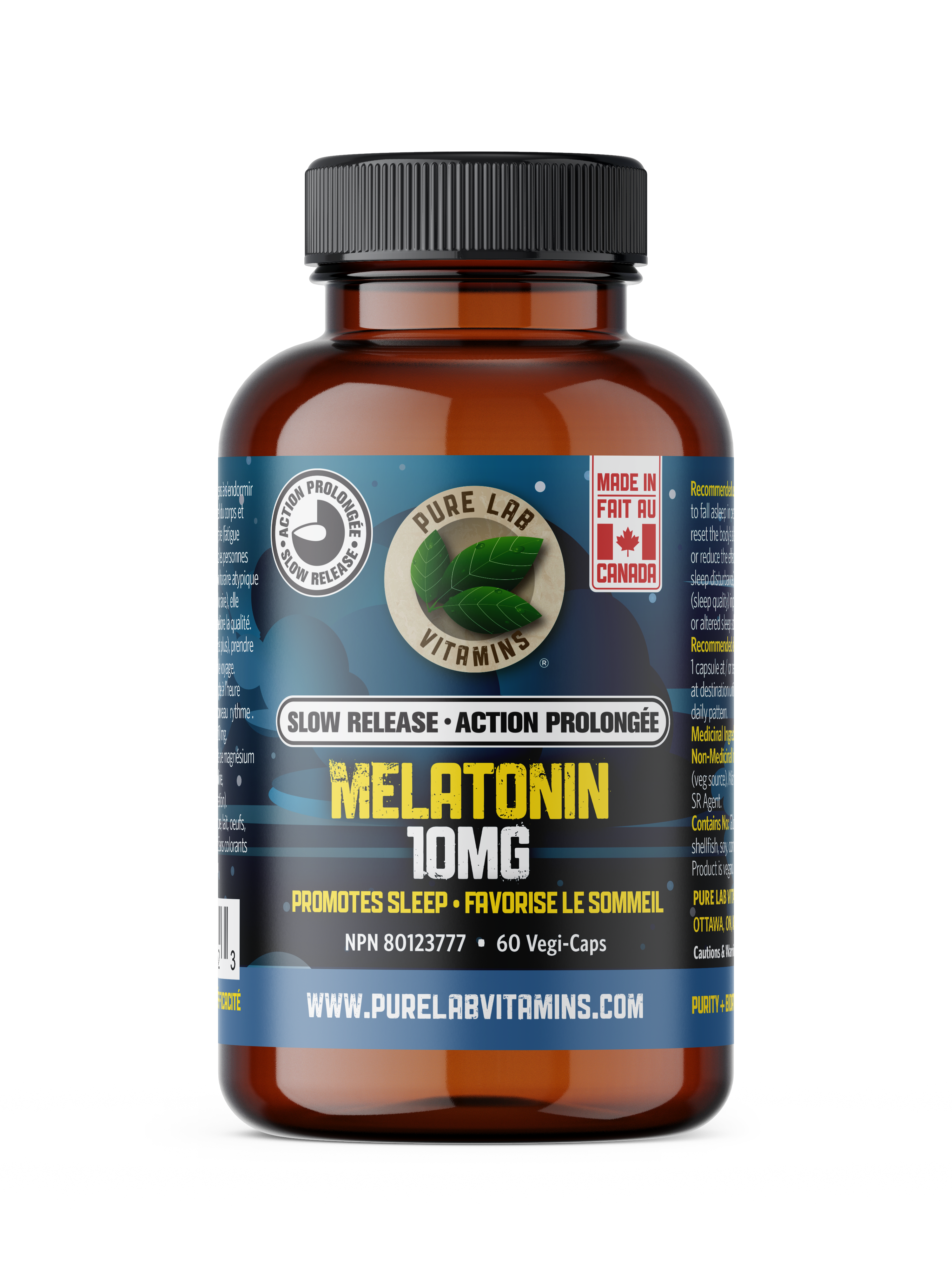 Slow Release Melatonin 10 MG
.png) Magnesium Glycinate +Melatonin
Magnesium Glycinate +Melatonin AlkaPure pH
 ThyroPure
 AdaptaPure
 Rhodiola
 UTI Pure 120s
 UTI Pure Powder