 |
By Andrea Bartels 19 Jun 2026 |
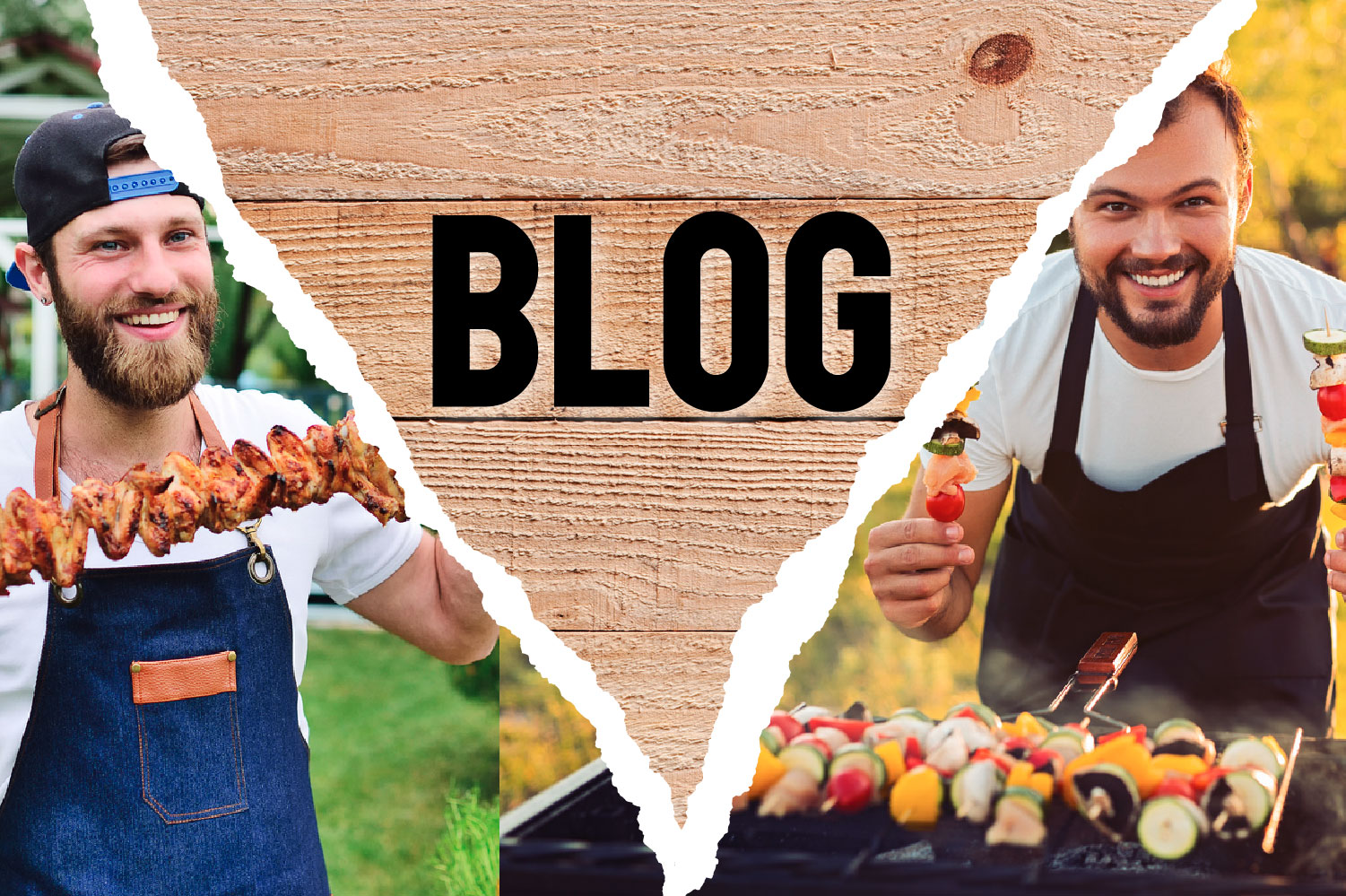
Ah, the smell of outdoor cooking is one of the highlights of a Canadian summer. But is barbecued food bad for you? It doesn’t have to be. When you follow my barbecuing tips you can minimize health risks while maximizing the flavour and nutritional properties of your meals.
The Concern About Barbecued Food
Barbecuing can be part of a healthy diet—but high heat and flame contact with food can form compounds like heterocyclic amines (HCAs) and polycyclic aromatic hydrocarbons (PAHs), especially with meats. These have been deemed carcinogens (cancer-causing substances) by the WHO (World Health Organization). The goal is to limit production of these compounds without giving up the grill.
Here are the most effective, evidence-informed strategies:
Clean your grill: If you haven’t already, clean your grill before you start. Old charred residue can transfer these carcinogenic compounds to fresh food. Take a few minutes to scrape your grills and clean grates before turning on the heat.
Consider grill surface barriers: Use grill mats, foil (with holes), or cedar planks to reduce your food’s contact with flames and smoke.
Choose leaner cuts and smaller portions: We’ve been told for years that the leaner the meat, the better. Here’s one of the often-overlooked reasons: Less fat equals fewer flare-ups and less PAH formation. Also, cooking several smaller pieces instead of large slabs will take less time on high heat, which means less exposure.
Marinate Your Proteins: Whether you’re grilling fish, meat or tofu, marinating your uncooked proteins helps inhibit the formation of those nasty HCAs and PAHs in your food. For those new to marination, marinating means bathing the uncooked food in a sauce bath for a duration of time. Marinades are to be discarded after the process is over - - NOT eaten, due to the bacteria that may grow through exposure to raw meat. Marinades don’t need to be super-sophisticated. You can easily make your own by mixing an acid like lemon juice, lime juice or vinegar with fresh herbs, spices, or garlic. Special mention goes to ginger root, rosemary, thyme, and oregano, which contain antioxidant compounds that can significantly reduce HCA formation. For maximum benefit, marinate for at least 30–60 minutes; longer is even better.
Avoid Direct Flames and Flare-ups: Those flame-broiled burgers at certain fast-food joints contain more unsafe compounds than the fried burgers from other restaurants. Here’s why: when fat drips from the meats sitting on the grill and onto the flames underneath, a smoke rich in PAHs then coats the meat. It’s the blackened, crispy parts that contain the highest concentration of HCAs/PAHs. Likewise, when barbecuing your own meat, don’t char or blacken the food. DO make sure all ground meats are cooked through until they are ‘well done’, not pink. The key is to cook to a level of safe doneness—but not beyond. Here are some hacks to prevent this effect:
Pre-cook, partially: Here’s another way to keep your meat safe: lightly bake, steam, or microwave it before finishing on the grill. This reduces total grill time, which results in less exposure to high heat and lower toxin formation.
Use a lower heat setting: Go low and slow, they say. You can aim for medium heat rather than searing over intense flames for long periods.
Flip frequently: It can be hard to stay focused if you’re multitasking when you’re barbecuing for family and friends, but turning meat every 30–60 seconds prevents prolonged surface overheating. This can reduce HCA formation compared to leaving it on one side too long.
Add protective foods to the meal: Remember to round out your meal with some vegetables, herbs, and polyphenol-rich foods for extra antioxidant protection. These can include grilled tomatoes (high in lycopene), steamed or raw dark leafy greens and cruciferous vegetables (like broccoli, bok choy, brussels sprouts, cabbage and cauliflower). Homemade, sugar-free coleslaw is another great way to add antioxidants from raw cabbage! I like to drizzle finished foods with extra virgin olive oil, lemon juice, and finish with a serving of berries.
Barbecue Safely!
You don’t need to stop barbecuing. Just be sure to reduce direct flame exposure, avoid charring, and use antioxidant-rich marinades. Small technique changes like these can significantly lower toxin formation while keeping the flavour. Happy barbecuing season!
References
He X, Li B, Yu X, et al. Inhibiting Effects of Ginger and Rosemary on the Formation of Heterocyclic Amines, Polycyclic Aromatic Hydrocarbons, and Trans Fatty Acids in Fried Pork Balls. Foods. 2022;11(23):3767. Published 2022 Nov 23.
Sampaio GR, Guizellini GM, da Silva SA, et al. Polycyclic Aromatic Hydrocarbons in Foods: Biological Effects, Legislation, Occurrence, Analytical Methods, and Strategies to Reduce Their Formation. Int J Mol Sci. 2021;22(11):6010. Published 2021 Jun 2.
University of Arkansas, Food Safety Consortium: “Brush on the Marinade, Hold Off the Cancerous Compounds”. Science Daily June 28, 2007.
 WHAT'S HAPPENING AT PLV


 Magnesium Glycinate 100 mg
 Magnesium Glycinate Fully Reacted 100 mg
 Magnesium Glycinate 165 mg
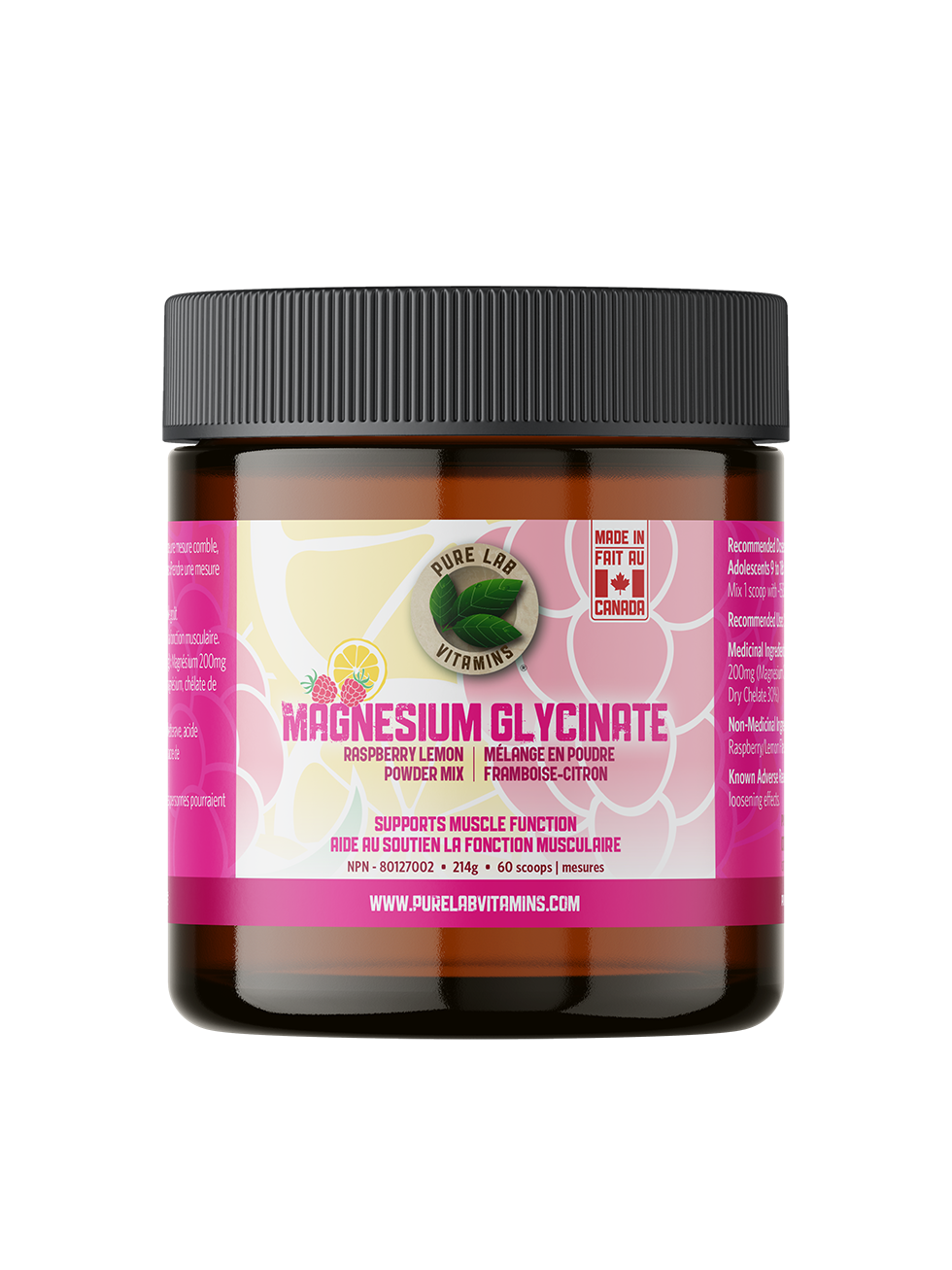 Magnesium Glycinate Raspberry Lemon-Powder Mix
 Magnesium Glycinate + L-Theanine
 Magnesium Glycinate +Taurine +CoQ10
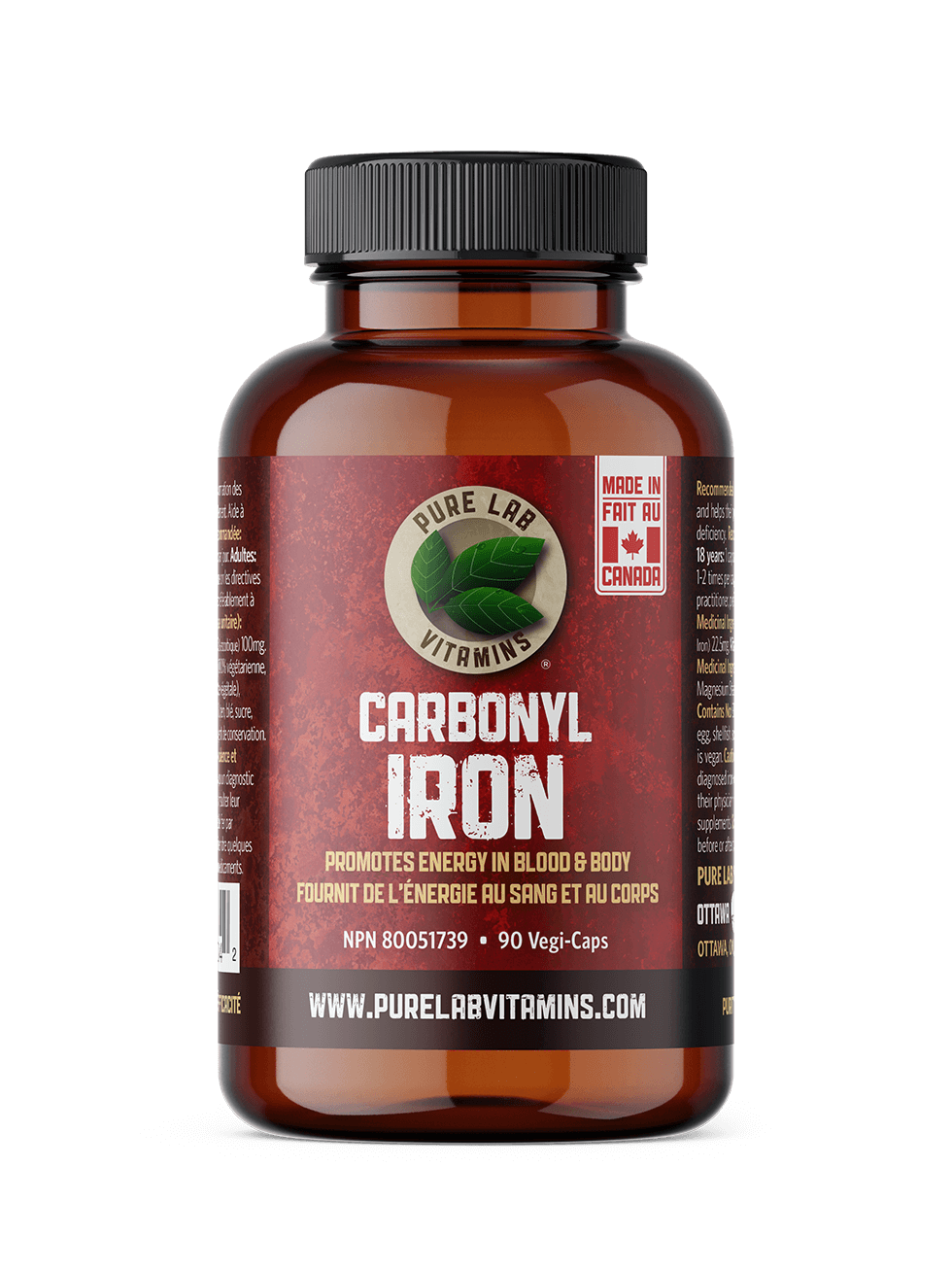 Carbonyl Iron 22.5 MG
 Zinc Glycinate 23 MG
 Copper Glycinate 1 MG
 Selenomethionine 200 MCG
 Calcium Hydroxyapatite
 Bioactive B Complex
 Bioactive Folic Acid 1 MG
 Bioactive B6 (PYRIDOXAL-5-PHOSPHATE) 50 MG
 Bioactive B12 1000 MCG
 Bioactive B12 5000 MCG
 NADH SR 20 MG
 NADH + Ubiquinol
 Vitamin K2-MK7 120 MCG
 NAC 600 MG
 L-THEANINE 250 MG
 L-THEANINE SLOW RELEASE 200 MG
 L-THEANINE CHEWABLES 125 MG
 L-Glutamine Capsules
 L-Glutamine Powder
 Magnesium Butyrate
 DIM
DIM Vitamin C 1000 MG
 Vitamin C Slow Release 1000MG
 Vitamin C Powder
 Vitamin D3 1000IU
 Vitamin D3 2500IU
 Vegan Vitamin D3 1000IU
 Vegan Vitamin D3 2500IU
 Slow Release Melatonin 10 MG
.png) Magnesium Glycinate +Melatonin
Magnesium Glycinate +Melatonin AlkaPure pH
 ThyroPure
 AdaptaPure
 Rhodiola
 UTI Pure 120s
 UTI Pure Powder