

 |
By Andrea Bartels 17 Jul 2026 |
Many of us are more conscious of our waistlines in the summer months when we wear lighter clothing and indulge in the harvests of summer’s bounty. If your stomach feels flat one day and round the next, it's natural to worry that you've gained body fat—but that's almost certainly not what's happening. Here, I’ll identify the most common culprits of summer bloat and offer up some tips on keeping it to a minimum.
Body fat doesn't appear or disappear overnight. Gaining one pound of body fat generally requires consuming about 3,500 excess calories over time, not because of one barbecue, one ice cream, or one salty meal. Instead, day-to-day changes in your waistline are much more likely to reflect temporary shifts in these factors:
Salt intake: You might notice your hands, feet, face and abdomen look and feel puffier after eating salty foods. Fat is not the culprit here; it’s water. When you eat a meal high in sodium, like deli meats, pre-seasoned foods, chips and other processed foods, the amount of sodium in your blood temporarily rises then shifts into surrounding tissues. Hormones and kidneys work together to reduce water loss until the excess sodium can be diluted and eventually excreted. This may take a day or more, so be patient. Expect a temporary weight shift of 1-5 pounds, depending on your sodium intake and body composition.
Dehydration: If you’re not staying hydrated in the heat of summer, your body will try hard to retain the water it has. Unlike camels, humans aren’t built to store large reserves of water. Instead, our bodies carefully regulate fluid balance. When dehydration threatens, the kidneys hold onto more water to keep blood volume stable. That water retention can make you feel bloated, even though it’s a sign your body’s trying to protect you.
Overeating: Many of us overindulge in social settings, which is easy to do when you’re conversing and having a good time. Food takes space, causing the stomach and intestines to expand to accommodate them during digestion. Being mindful of how much and how fast you eat can make a difference.
Gas production: We all do it! It’s normal for fermentation of carbohydrates by gut bacteria to create gas and temporary expansion of the abdomen. The foods most associated with excess gas include beans, cruciferous vegetables (coleslaw) and onions, but if you’re lactose-intolerant and treating yourself to cheese or ice cream, that could set you off, too. Carbonated beverages can also lead to trapped gas in the intestines, which can temporarily expand the waistline. Beer is especially problematic due to its carbonation and yeast content.
Rapid increase in fibre intake: Enjoy seasonal fruits and vegetables—but if you suddenly increase your fibre intake or eat very large portions, your gut microbes may need time to adjust. Fructose is a sugar naturally found in berries, cherries, peaches, watermelon, apples pears and honey that some people absorb less efficiently. This means that when it reaches to gut, bacteria ferment it and produce gas.
Constipation: Long periods of sitting, such as while traveling, dehydration, low fiber intake and high salt intake can each slow the transit time of our bowels.
Wearing tight-fitting clothing: If your waistband feels noticeably tighter after a meal, it may not just be the food. Athletic wear, shapewear, jeans and snug-fitting shorts can increase pressure on your stomach and abdomen, making bloating, indigestion, and even heartburn feel worse.
Here are some tips to avoid or minimize summer bloat:
Body fat changes gradually. Bloating changes quickly. These changes can make your abdomen feel noticeably fuller, but they're temporary. Once your body restores its normal fluid balance and digestion catches up, the bloating often subsides within a day or two. However, it’s important to note that chronic bloating deserves further investigation. If bloating occurs regularly, worsens over time, or is accompanied by unexplained weight loss, persistent diarrhea, anemia, or blood in the stool, it's important to consult a healthcare professional.
Otherwise, if your stomach looks different from one day to the next, it's much more likely to be water, gas, or digestive overload than body fat. Focus on staying hydrated, eating balanced meals, and keeping active rather than worrying about temporary fluctuations.
 WHAT'S HAPPENING AT PLV


 Magnesium Glycinate 100 mg
 Magnesium Glycinate Fully Reacted 100 mg
 Magnesium Glycinate 165 mg
 Magnesium Glycinate Raspberry Lemon-Powder Mix
 Magnesium Glycinate + L-Theanine
 Magnesium Glycinate +Taurine +CoQ10
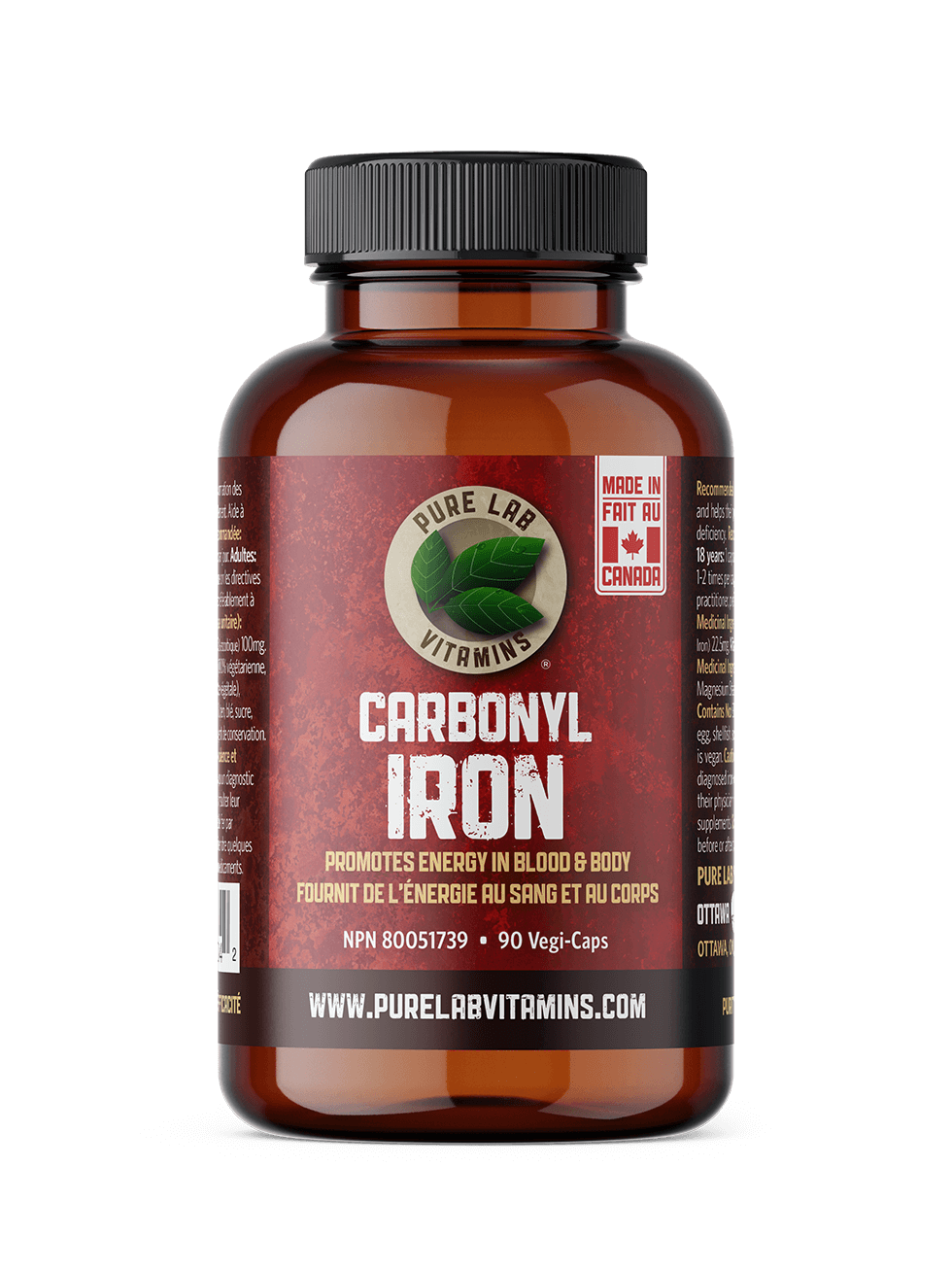 Carbonyl Iron 22.5 MG
 Zinc Glycinate 23 MG
 Copper Glycinate 1 MG
 Selenomethionine 200 MCG
 Calcium Hydroxyapatite
 Bioactive B Complex
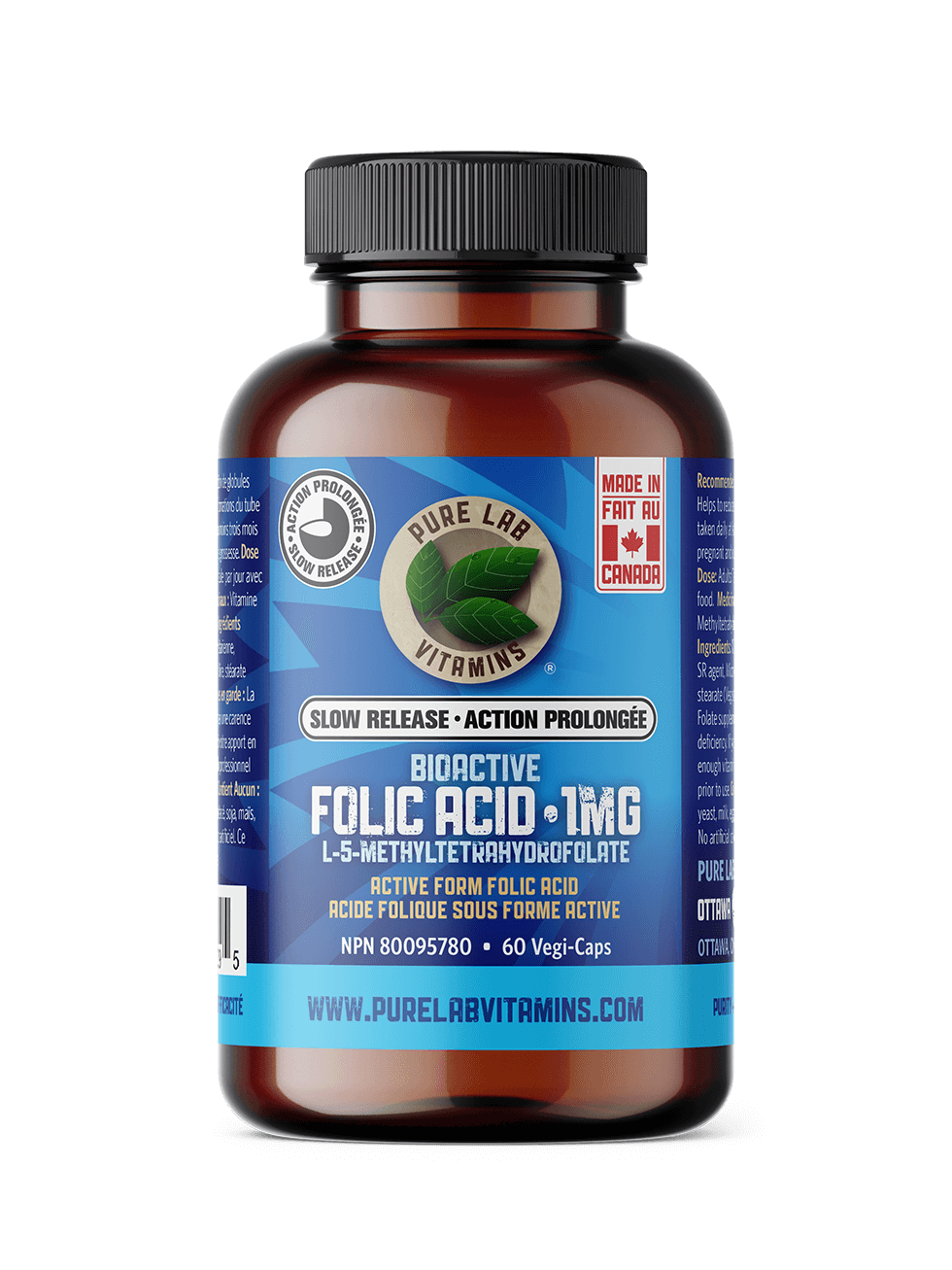 Bioactive Folic Acid 1 MG
 Bioactive B6 (PYRIDOXAL-5-PHOSPHATE) 50 MG
 Bioactive B12 1000 MCG
 Bioactive B12 5000 MCG
 NADH SR 20 MG
 NADH + Ubiquinol
 Vitamin K2-MK7 120 MCG
 NAC 600 MG
 L-THEANINE 250 MG
 L-THEANINE SLOW RELEASE 200 MG
 L-THEANINE CHEWABLES 125 MG
 L-Glutamine Capsules
 L-Glutamine Powder
 Magnesium Butyrate
 DIM
DIM Vitamin C 1000 MG
 Vitamin C Slow Release 1000MG
 Vitamin C Powder
 Vitamin D3 1000IU
 Vitamin D3 2500IU
 Vegan Vitamin D3 1000IU
 Vegan Vitamin D3 2500IU
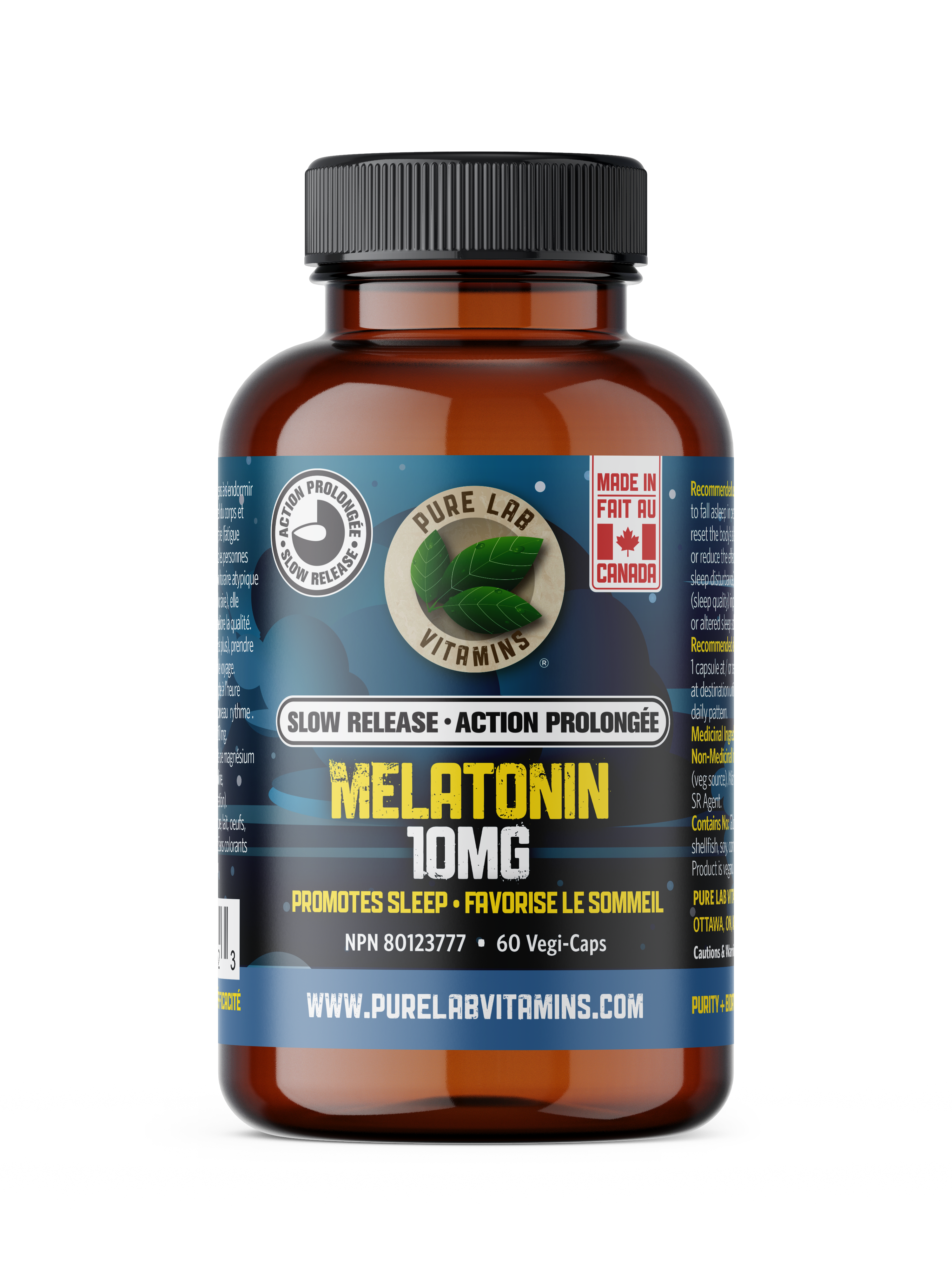 Slow Release Melatonin 10 MG
.png) Magnesium Glycinate +Melatonin
Magnesium Glycinate +Melatonin AlkaPure pH
 ThyroPure
 AdaptaPure
 Rhodiola
 UTI Pure 120s
 UTI Pure Powder