
 |
By Andrea Bartels 21 Nov 2025 |
Most of us don’t enjoy the pain, swelling, and other discomforts of inflammation---yet these symptoms are the body’s ways of telling us it’s out of sorts. Inflammation is the body’s built-in alarm system, alerting us that something isn’t right. But inflammation itself is not the disease; it’s a symptom of an underlying issue.
Anti-inflammatory medications are commonly prescribed to help reduce discomfort. However, turning off inflammation is like turning off the news because you don’t like what you’re hearing—it may bring temporary relief, but it doesn’t solve the problem or make it disappear.
In fact, inflammation serves an essential purpose. It’s protective and beneficial in the right context. Without an inflammatory response, our bodies would have no defense against pathogens or injury. Inflammation is a natural process that sets the stage for healing.
The challenge arises when inflammation becomes chronic or excessive. Long-term inflammation not only causes discomfort and fatigue—it can also drive lasting changes in tissues and organs. Take acid reflux, or GERD, as an example. Repeated exposure of the esophagus to stomach acid damages its delicate lining, prompting the body to replace those cells with a tougher type more resistant to acid. This adaptation, however, can progress to a condition known as Barrett’s esophagus, which is linked to an increased risk of esophageal cancer. Physicians often prescribe antacids or proton pump inhibitors (PPIs) to reduce acid exposure—but these treatments address the symptom, not the cause, which may stem from dietary or lifestyle habits such as excess caffeine or overeating.
Whether we turn to prescription drugs or natural remedies, understand that inflammation is valuable feedback. It’s your body’s way of saying something needs attention. Relying solely on symptom relief can mean missing crucial messages about your internal health.
For true healing, the body requires the right raw materials—the nutrients that support tissue repair and immune balance. Vitamins, minerals, and amino acids form the foundation of every repair process. Here’s how your nutrient status can affect your body’s healing processes:
Collagen is a protein that needs to be maintained because it makes up most of our connective tissue, yet it cannot be synthesized without adequate nutrients.
Low dietary copper and zinc intake can impair collagen formation, slowing wound healing and influencing scar formation.
A lack of vitamin C weakens gum tissue and blood capillaries, compromising the body’s barrier defenses, which invites infection.
Muscles cannot be repaired or grow stronger without adequate vitamin B6. That’s because this vitamin is critical for turning dietary proteins into human protein.
Nutritional supplementation is a good idea if you don’t have a consistent high-quality diet and would like to ensure more steady intake of these nutrients. However, supplementation with highly bioavailable forms of vitamins and minerals becomes necessary if your digestion or absorption is impaired by medications (such as stomach acid-reducing drugs) or intestinal disease (Celiac or Crohn’s disease).
The body’s repair of the mucosal lining of the stomach, intestines, and airways requires zinc and beta-carotene to form retinol, a.k.a. vitamin A. They’re especially important nutrients if you have a history of inflamed and/or injured mucosal tissues, such as conditions like asthma, COPD, peptic ulcers or inflammatory bowel disease.
These are the key nutrients critical to repair and healing processes. They’re important because only when injured tissue has recovered, can we expect inflammation to subside. However, keep in mind that inflammation is more difficult to manage if the body remains exposed to the injurious agent, be it cigarette smoke, excessive alcohol consumption, an allergen, or infectious microbes.
Ultimately, ignoring the body’s signals and simply suppressing inflammation keeps us in a cycle of symptom management instead of restoration. By nourishing the body and addressing root causes, we move beyond masking discomfort—and toward genuine, lasting health.
References
Amhare AF, Liu H, Qiao L, Deng H, Han J. Elemental Influence: The Emerging Role of Zinc, Copper, and Selenium in Osteoarthritis. Nutrients. 2025;17(13):2069. Published 2025 Jun 21.
Gombart AF, Pierre A, Maggini S. A Review of Micronutrients and the Immune System—Working in Harmony to Reduce the Risk of Infection. Nutrients. 2020;12(1):236.
Harvard Medical School. “Inflammation”. Harvard Health Publishing, March 27, 2023. Accesse online Nov. 6, 2025.
Oregon State University. “Vitamin C and Skin Health: Overview”. Accessed online Nov. 6, 2025.
Roth-Walter F, Berni Canani R, O'Mahony L, et al. Nutrition in chronic inflammatory conditions: Bypassing the mucosal block for micronutrients. Allergy. 2024;79(2):353-383.
Soares CLR, Wilairatana P, Silva LR, et al. Biochemical aspects of the inflammatory process: A narrative review. Biomed Pharmacother. 2023;168:115764.
 WHAT'S HAPPENING AT PLV


 Magnesium Glycinate 100 mg
 Magnesium Glycinate Fully Reacted 100 mg
 Magnesium Glycinate 165 mg
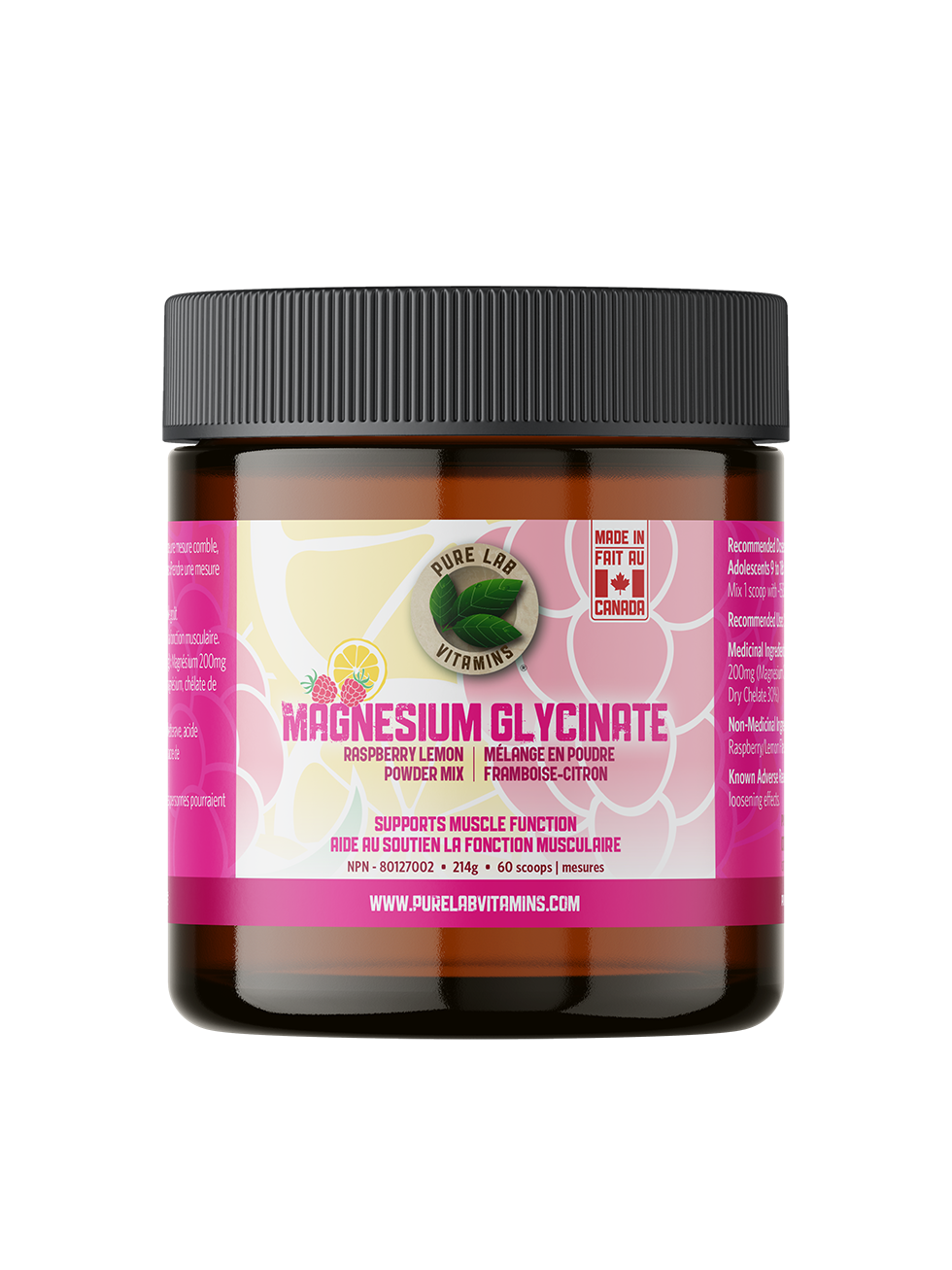 Magnesium Glycinate Raspberry Lemon-Powder Mix
 Magnesium Glycinate + L-Theanine
 Magnesium Glycinate +Taurine +CoQ10
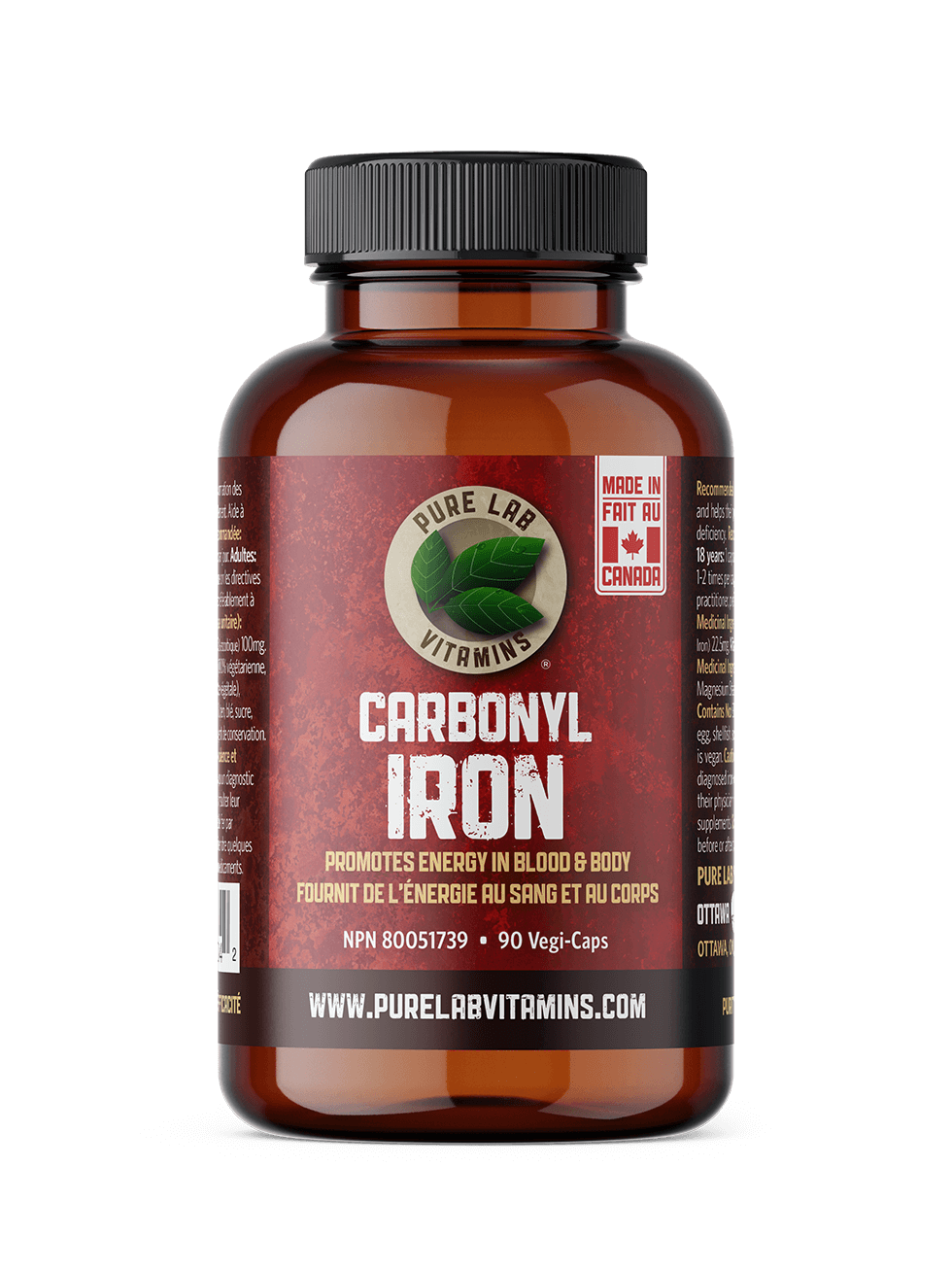 Carbonyl Iron 22.5 MG
 Zinc Glycinate 23 MG
 Copper Glycinate 1 MG
 Selenomethionine 200 MCG
 Calcium Hydroxyapatite
 Bioactive B Complex
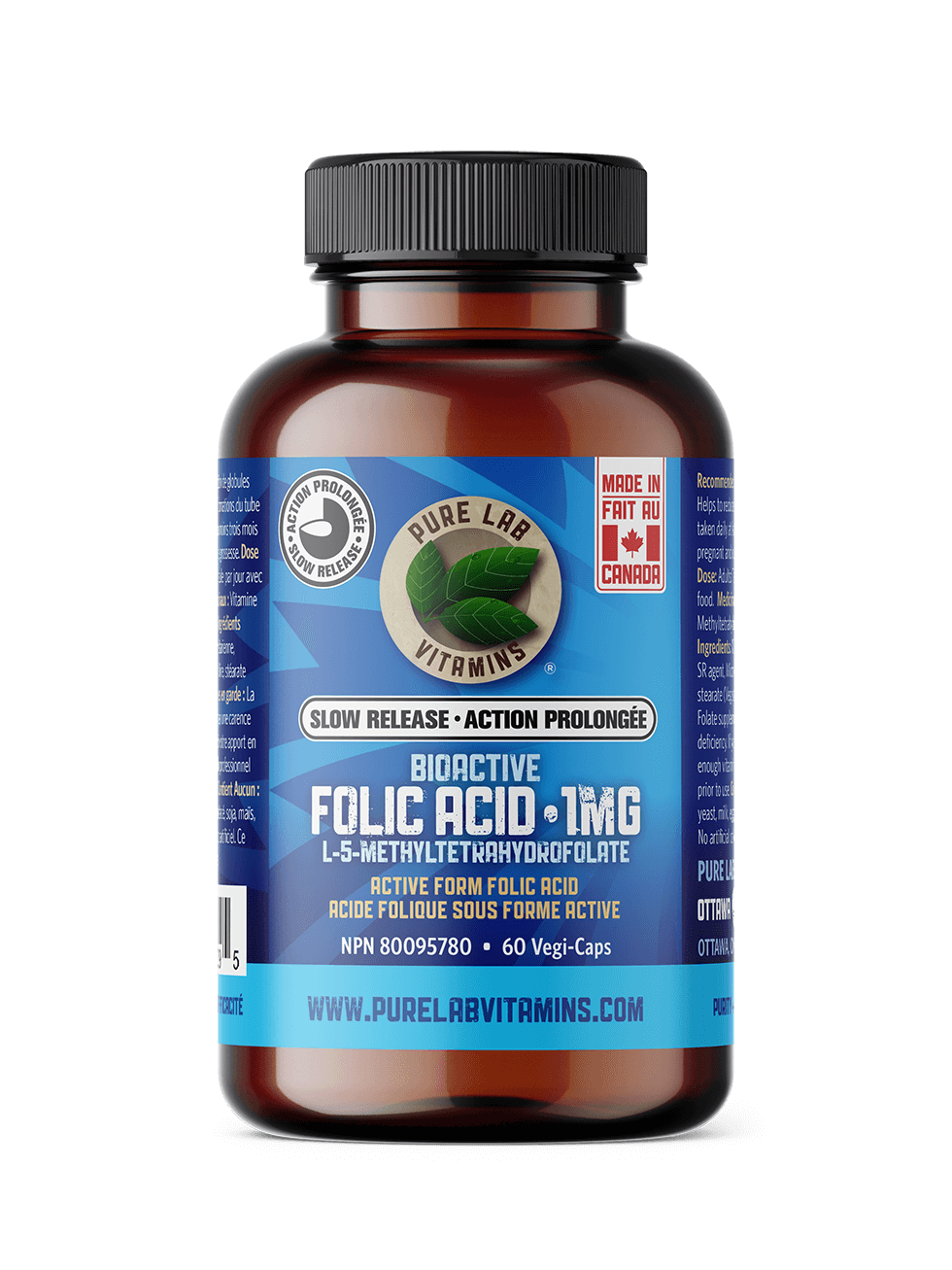 Bioactive Folic Acid 1 MG
 Bioactive B6 (PYRIDOXAL-5-PHOSPHATE) 50 MG
 Bioactive B12 1000 MCG
 Bioactive B12 5000 MCG
 NADH SR 20 MG
 NADH + Ubiquinol
 Vitamin K2-MK7 120 MCG
 NAC 600 MG
 L-THEANINE 250 MG
 L-THEANINE SLOW RELEASE 200 MG
 L-THEANINE CHEWABLES 125 MG
 L-Glutamine Capsules
 L-Glutamine Powder
 Magnesium Butyrate
 DIM
DIM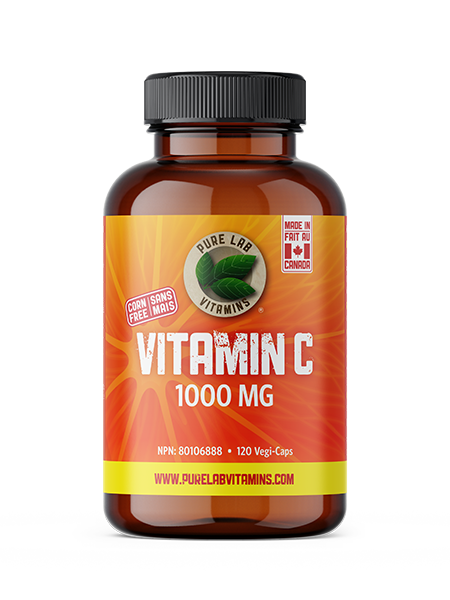 Vitamin C 1000 MG
 Vitamin C Slow Release 1000MG
 Vitamin C Powder
 Vitamin D3 1000IU
 Vitamin D3 2500IU
 Vegan Vitamin D3 1000IU
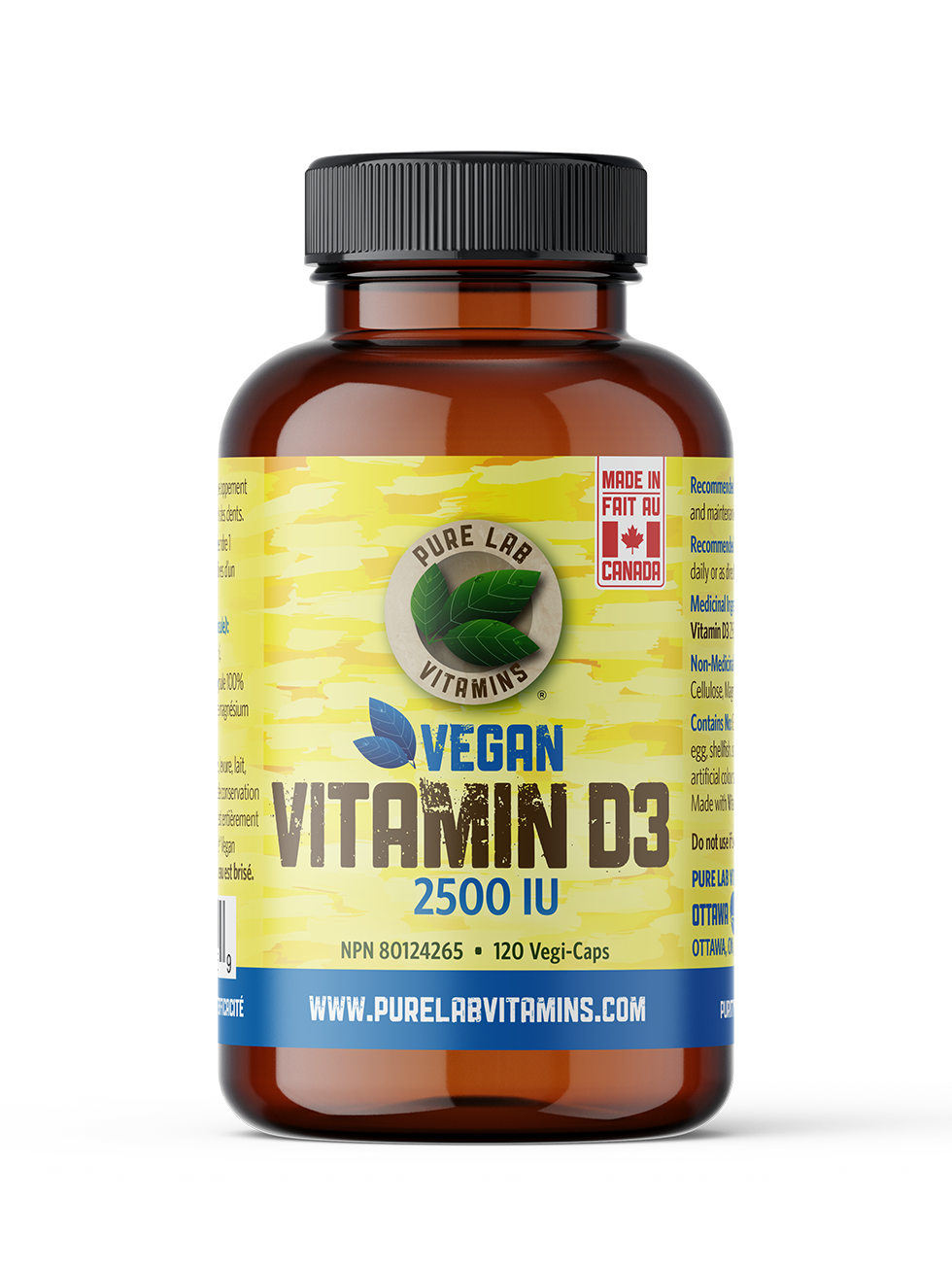 Vegan Vitamin D3 2500IU
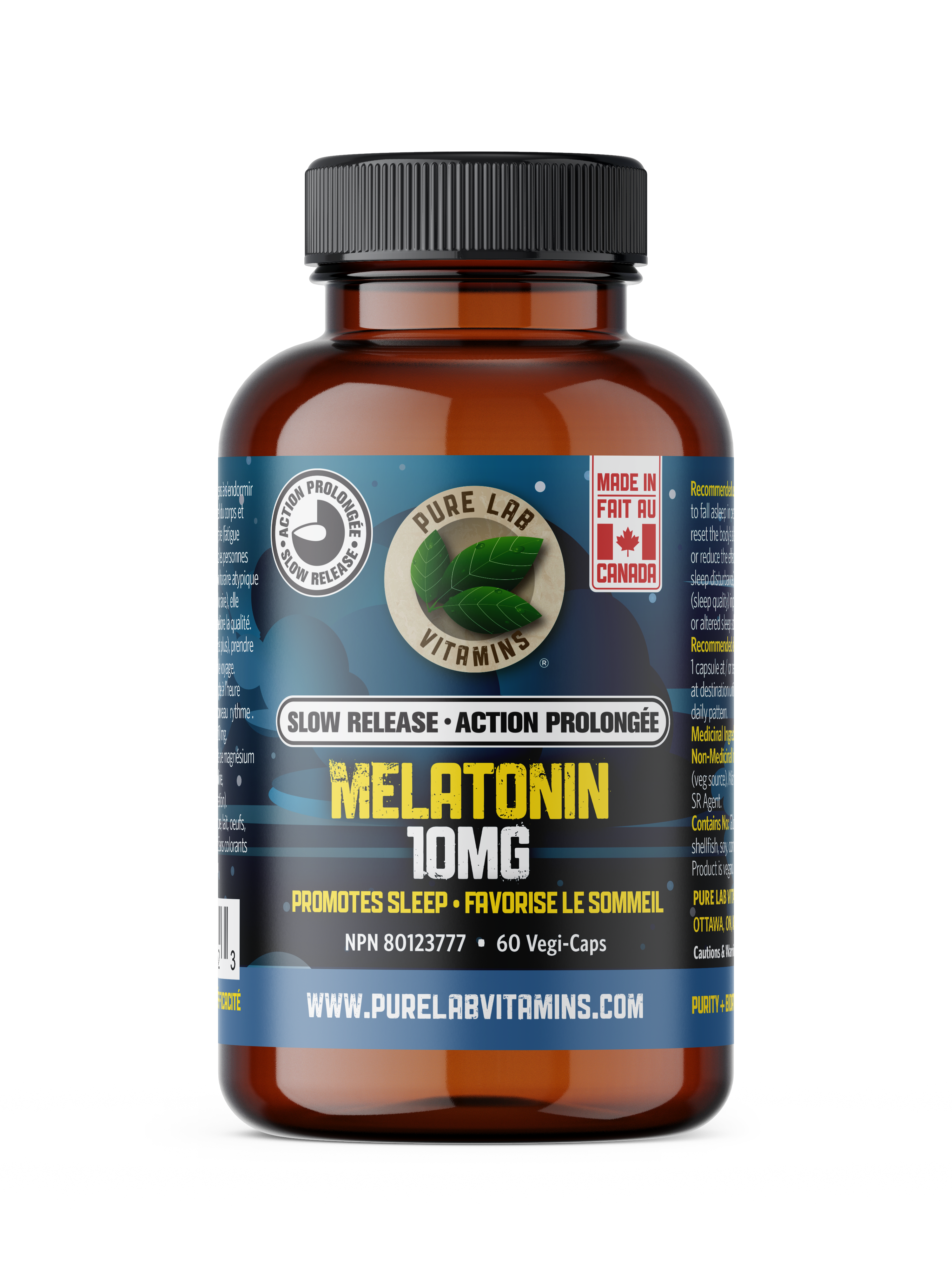 Slow Release Melatonin 10 MG
.png) Magnesium Glycinate +Melatonin
Magnesium Glycinate +Melatonin AlkaPure pH
 ThyroPure
 AdaptaPure
 Rhodiola
 UTI Pure 120s
 UTI Pure Powder