
 |
By Andrea Bartels 30 Jan 2026 |
A healthy smile isn’t just about minty breath and a good brushing routine. Behind every confident grin are living tissues that need real nourishment to stay strong, healthy, and—yes—kissable. Teeth and gums are constantly repairing themselves, fending off bacteria, and holding their ground through every meal, coffee break, and late-night snack. Supplying them with the right nutrients helps support that behind-the-scenes work so your oral care routine can do its job even better. Here are the most important nutrients for a healthier mouth.
Calcium isn’t just vital to bone strength; it’s also a primary building block of tooth enamel and dentin. Adequate calcium intake helps maintain enamel density and structural strength, making our teeth more resilient to everyday challenges like chewing, temperature changes, and normal acid exposure. Calcium also supports the jawbone that anchors teeth in place.
Research shows insufficient calcium intake has been linked to reduced jawbone density and increased risk of periodontal bone loss. We recommend Pure Lab’s Calcium Hydroxyapatite for the teeth because it consists of calcium that’s naturally bound with phosphorus, proteins, and bone growth factors—everything that healthy bone is made from. Each capsule contains nothing but high-grade, BSE-free bovine bone meal, providing 250 mg of easily absorbed calcium and 100 mg phosphorus that’s easy on the stomach compared to rock-sourced supplements.
Zinc supports normal immune function within the mouth and helps maintain a healthy balance of oral bacteria. Zinc has been shown to inhibit plaque formation and reduce volatile sulfur compounds associated with oral malodor. It also contributes to tissue repair and taste perception. By supporting immune activity and healing, zinc plays a role in maintaining fresh breath and overall oral comfort. For a highly absorbable, more stomach-friendly zinc supplement, check out Pure Lab’s Zinc Glycinate 23 mg capsules.
Vitamin C plays a central role in collagen production—the protein framework that gives gum tissue its strength and integrity. Low vitamin C intake has been associated with increased gum bleeding and compromised periodontal tissue integrity. Adequate vitamin C helps maintain firm, well-attached gums and supports normal healing after daily wear or dental procedures. It also contributes antioxidant support, helping protect delicate oral tissues from oxidative stress caused by bacteria and inflammation. Try Pure Lab’s Vitamin C 1000mg capsules, Slow Release Vitamin C 1000 mg capsules or Vitamin C Powder, all which are corn-free and sugar-free.
Vitamin D acts as a coordinator for mineral balance in the body. It supports the absorption and proper use of calcium, helping maintain strong bones, teeth and jawbone structure. Vitamin D also plays a role in immune regulation, supporting the body’s ability to maintain a balanced oral microbiome. Adequate vitamin D status has been associated with improved periodontal health and reduced risk of tooth loss. Maintain your vitamin D status with a dry crystalline form of vitamin D3 for longer-lasting potency, such as Pure Lab’s Vitamin D3 1000 IU or 2500 IU capsules. A vegan form is also available in both potencies.
Vitamin K2 acts like a traffic director for calcium in the body, helping guide it to the places that need it most—your teeth and bones. Instead of letting calcium linger where it doesn’t belong, K2 helps support proper mineral placement that keeps teeth strong, and jawbones well supported. It also works together with vitamin D, helping the body actually use the calcium you consume to maintain structure and stability where it matters most for oral health. Pure Lab’s Vitamin K2-MK7 is the only soy-free vitamin K2-MK7 supplement that’s designed to be taken with calcium without losing the benefits of tooth and bone-essential nutrients.
Ubiquinol is the active form of CoQ10 and plays an important role in how cells produce energy. Gums are busy, hardworking tissues that constantly renew themselves and manage daily exposure to bacteria, which means they have higher energy needs than you might expect. Research has found lower CoQ10 levels in the gum tissue of people with periodontal concerns. By supporting cellular energy and antioxidant protection, ubiquinol helps keep gums strong, resilient, and better equipped to handle everyday stress. If you’re prone to gingivitis (gum inflammation), consider using a ubiquinol-containing supplement such as Pure Lab’s NADH+Ubiquinol.
Brushing and flossing is highly beneficial if done regularly—but nutrients support the deeper structures that keep your mouth healthy. A consistent intake of oral-health-supporting nutrients helps maintain:
Oral care doesn’t stop at the bathroom sink. What you eat—and whether your diet consistently provides key nutrients—plays an important role in keeping teeth and gums comfortable, supported, and strong. When nutrition and daily care work together, your mouth is better prepared for everything from busy mornings and late-night snacks to hugs and kisses.
References
Adegboye AR, Twetman S, Christensen LB, Heitmann BL. Intake of dairy calcium and tooth loss among adults. Nutrition Research. 2012;32(12):914–920.
Dietrich T, Nunn M, Dawson-Hughes B, Bischoff-Ferrari HA. Association between serum concentrations of 25-hydroxyvitamin D and gingival inflammation. American Journal of Clinical Nutrition. 2005;82(3):575–580.
Littarru GP, Nakamura R, Ho L, Folkers K, Kuzell WC. Deficiency of coenzyme Q10 in gingival tissue from patients with periodontal disease. Proceedings of the National Academy of Sciences USA. 1971;68(10):2332–2335.
Lynch RJM. Zinc in the mouth, its interactions with dental enamel and possible effects on caries; a review of the literature. International Dental Journal. 2011;61(Suppl 3):46–54.
Nishida M, Grossi SG, Dunford RG, et al. Dietary vitamin C and the risk for periodontal disease. Journal of Periodontology. 2000;71(8):1215–1223.
Schurgers LJ, Teunissen KJ, Hamulyák K, et al. Vitamin K–containing dietary supplements: comparison of synthetic vitamin K1 and natto-derived menaquinone-7. Blood. 2007;109(8):3279–3283.
 WHAT'S HAPPENING AT PLV


 Magnesium Glycinate 100 mg
 Magnesium Glycinate Fully Reacted 100 mg
 Magnesium Glycinate 165 mg
 Magnesium Glycinate Raspberry Lemon-Powder Mix
 Magnesium Glycinate + L-Theanine
 Magnesium Glycinate +Taurine +CoQ10
 Carbonyl Iron 22.5 MG
 Zinc Glycinate 23 MG
 Copper Glycinate 1 MG
 Selenomethionine 200 MCG
 Calcium Hydroxyapatite
 Bioactive B Complex
 Bioactive Folic Acid 1 MG
 Bioactive B6 (PYRIDOXAL-5-PHOSPHATE) 50 MG
 Bioactive B12 1000 MCG
 Bioactive B12 5000 MCG
 NADH SR 20 MG
 NADH + Ubiquinol
 Vitamin K2-MK7 120 MCG
 NAC 600 MG
 L-THEANINE 250 MG
 L-THEANINE SLOW RELEASE 200 MG
 L-THEANINE CHEWABLES 125 MG
 L-Glutamine Capsules
 L-Glutamine Powder
 Magnesium Butyrate
 DIM
DIM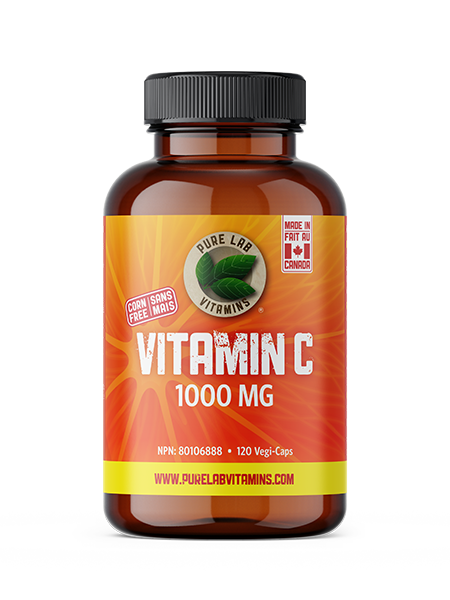 Vitamin C 1000 MG
 Vitamin C Slow Release 1000MG
 Vitamin C Powder
 Vitamin D3 1000IU
 Vitamin D3 2500IU
 Vegan Vitamin D3 1000IU
 Vegan Vitamin D3 2500IU
 Slow Release Melatonin 10 MG
.png) Magnesium Glycinate +Melatonin
Magnesium Glycinate +Melatonin AlkaPure pH
 ThyroPure
 AdaptaPure
 Rhodiola
 UTI Pure 120s
 UTI Pure Powder