

 |
By Andrea Bartels 21 Jan 2026 |
Each year, around the 3rd week of January, I see a surge of new nutrition clients who want to 'turn over a new leaf' when it comes to diet and lifestyle habits. Many first arrive expressing frustration and disappointment with themselves, having 'failed' at their solo attempts at following through with their new year's resolutions already. But ‘failing’ at first attempts doesn’t mean we should abandon all efforts towards self-improvement. Understanding what’s stacked against us is the first step in making goals happen, followed by a clear plan of action steps leading to that goal. Here are a few of my tips to help you reach your goals for the year.
First, Understand Why We “Fail”
New Year’s resolutions fail because they rely on motivation instead of organization. In January, people set broad, high-pressure goals without building the habits, environment, or accountability needed to sustain them. But most resolutions are too vague (such as “get healthier”), too ambitious, or disconnected from our actual routines and may not be within our means, logistics-wise. Without clear cues, realistic expectations, measurable milestones, and strategies for setbacks, motivation drops as everyday demands return. The result: resolutions collapse not because the goals are unworthy, but because the behavioural architecture behind them was never designed to support long-term change.
Focus on the means to the end, instead of the end goal. If we want to feel healthier, we need to change aspects of our lifestyle, be it diet, exercise or sleep hygiene. Choose one small change to make and don’t try another until you’ve been consistent with that one thing for at least a week. If we want fewer dental visits or lower dental bills, we need to brush and floss our teeth regularly. Start with daily brushing, then add in flossing once you’ve succeeded at the brushing for 7 consecutive days.
Make the habit easier to implement by being organized. Let’s use the resolution of “Take my supplements daily” as an example. For many of us, “out of sight” means “out of mind”. That’s why it’s best to have your supplements visible at meal times. Put your vitamins where you usually sit to eat your meals. Have them laid out in a daily box at the kitchen table so they’re easy to take as soon as you’ve finished a meal.Take note of how many servings are in each bottle---once month supply, for instance---and plan (and budget for) restocking before they run out. Use a daily or weekly vitamin organizer and refill it as soon as it’s empty to avoid disruptions in your routine.
Create a “bare minimum” version of your habit. This keeps the habit “alive”. When you're overwhelmed, instead of skipping the activity entirely, do the easiest possible version. For example:
Expect setbacks—and plan for them. Sustainable habits survive imperfection. Did you forget to take your vitamins yesterday? Instead of abandoning your goal when you miss a day of supplementation, forgive yourself and move on with the goal to never miss two days in a row. Otherwise, your new habit will become the absence of the habit.
Pre-plan for predictable obstacles. Ask yourself: What usually derails me? Then write an “If/Then” plan, something as simple as this:
Change your environment instead of relying on willpower. If a setback happens, adjust the surroundings:
Be patient and kind to yourself, despite any setbacks or roadblocks. Review what happened without judging yourself. Say: “Today wasn’t great, but tomorrow can still be.”
Too often, we get discouraged when results are slow to come in. The reality is that effort and time are needed to see changes in our lives. We are living in a fast-paced society where unrealistic expectations are generated by a fantasy world that no one actually lives in. Be kind to yourself and create realistic timelines for reaching your mini-goals. Attitude is important! People who treat themselves kindly after slip-ups bounce back much faster than people who shame themselves.
No matter what your goal is, if you’re finding you’re not doing consistently doing things to make it happen, ask yourself: What specifically makes this task hard? How can I adjust the habit so it's easier next time? Small tweaks keep the habit sustainable.
Have an accountability partner. Someone who knows your goal and your steps for getting there can help you stay on track when you’re tempted to deviate. Choose your life partner, a friend or colleague ---someone who sees you almost daily is best, to be your cheerleader. Alternatively you can hire a coach, a personal trainer or a nutritionist to and keep you on your toes.
Track small wins and reward yourself for consistency. A checkmark, a sticker, a small gift to yourself—anything that gives your brain a dopamine nudge to keep going. [A word of caution: as a nutritionist I advise against using food or drink as a reward for reaching health checkpoints. Instead, treat yourself to new article of clothing, a new book, or a pedicure once you lose 10 pounds, for example.]
Slow and Steady Really Does Win the Race
With very few exceptions, I've observed that 'slow and steady' is the best way to sustain a newly achieved goal. For example, when if you nix all the junk food from your diet in one fell swoop, this can result in withdrawal symptoms from the foods your body was hooked on. In contrast, small changes give your body time to adjust to changes and can pay big dividends in your health in the long run. Before long, you will realize how much you have accomplished, whether it's weight loss, decluttering a room in your home, or increasing your muscle strength if you give yourself permission to make changes incrementally instead of all at once.
The Value in Small Steps and Clear Plans
January excitement fades fast, and most goals are too big, too vague, or too disconnected from our actual daily habits. When life settles back into its normal rhythm, we don’t have the systems or support to keep the momentum going. It’s not that we lack willpower—it’s that lasting change needs small steps, clear plans, and routines that fit real life. Without those pieces, resolutions tend to get abandoned by February. Choose habits that are small, specific, easy to repeat, and integrated into your life—and watch your life improve when they turn into long-term routines with the tips above.
 WHAT'S HAPPENING AT PLV


 Magnesium Glycinate 100 mg
 Magnesium Glycinate Fully Reacted 100 mg
 Magnesium Glycinate 165 mg
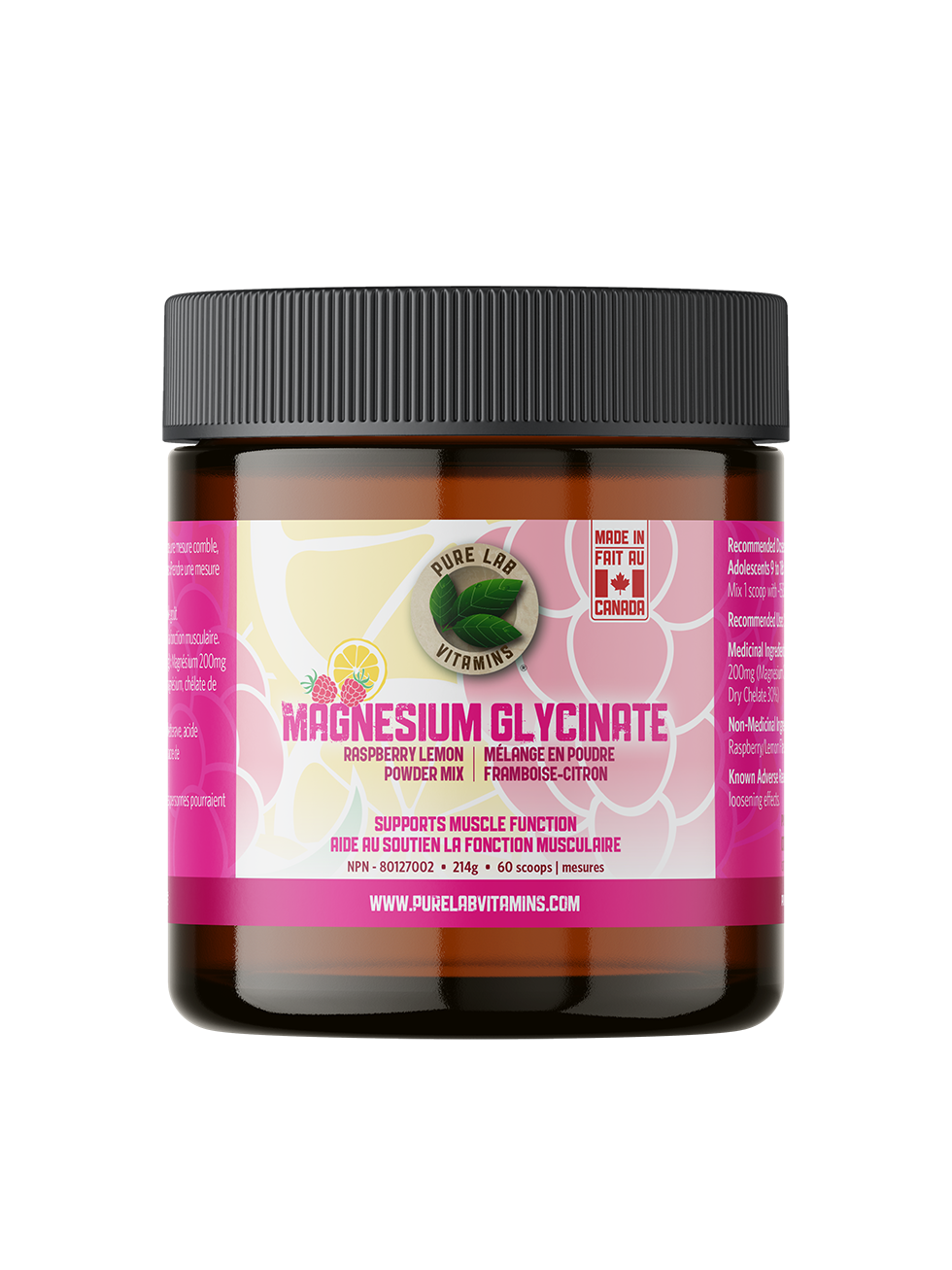 Magnesium Glycinate Raspberry Lemon-Powder Mix
 Magnesium Glycinate + L-Theanine
 Magnesium Glycinate +Taurine +CoQ10
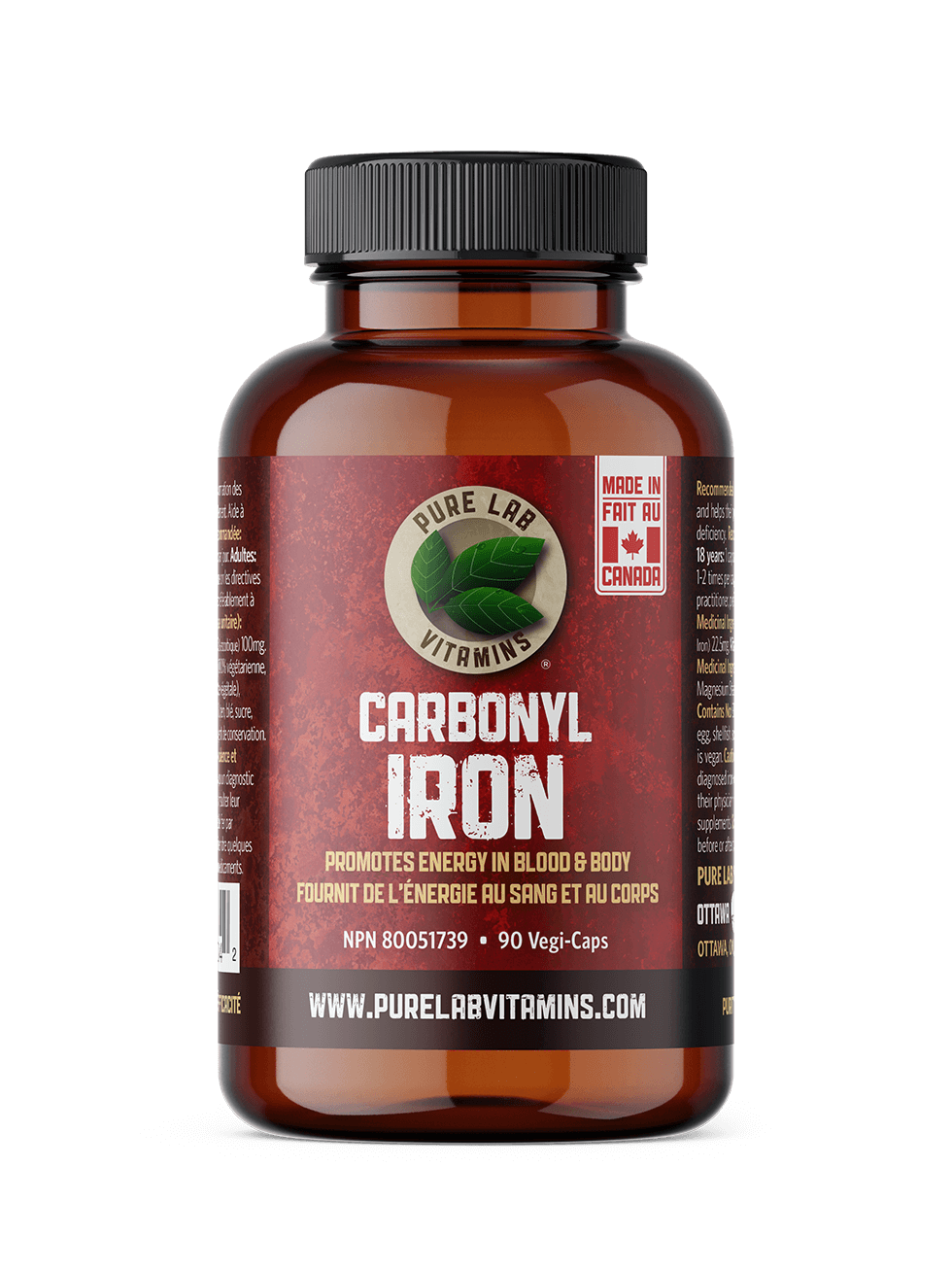 Carbonyl Iron 22.5 MG
 Zinc Glycinate 23 MG
 Copper Glycinate 1 MG
 Selenomethionine 200 MCG
 Calcium Hydroxyapatite
 Bioactive B Complex
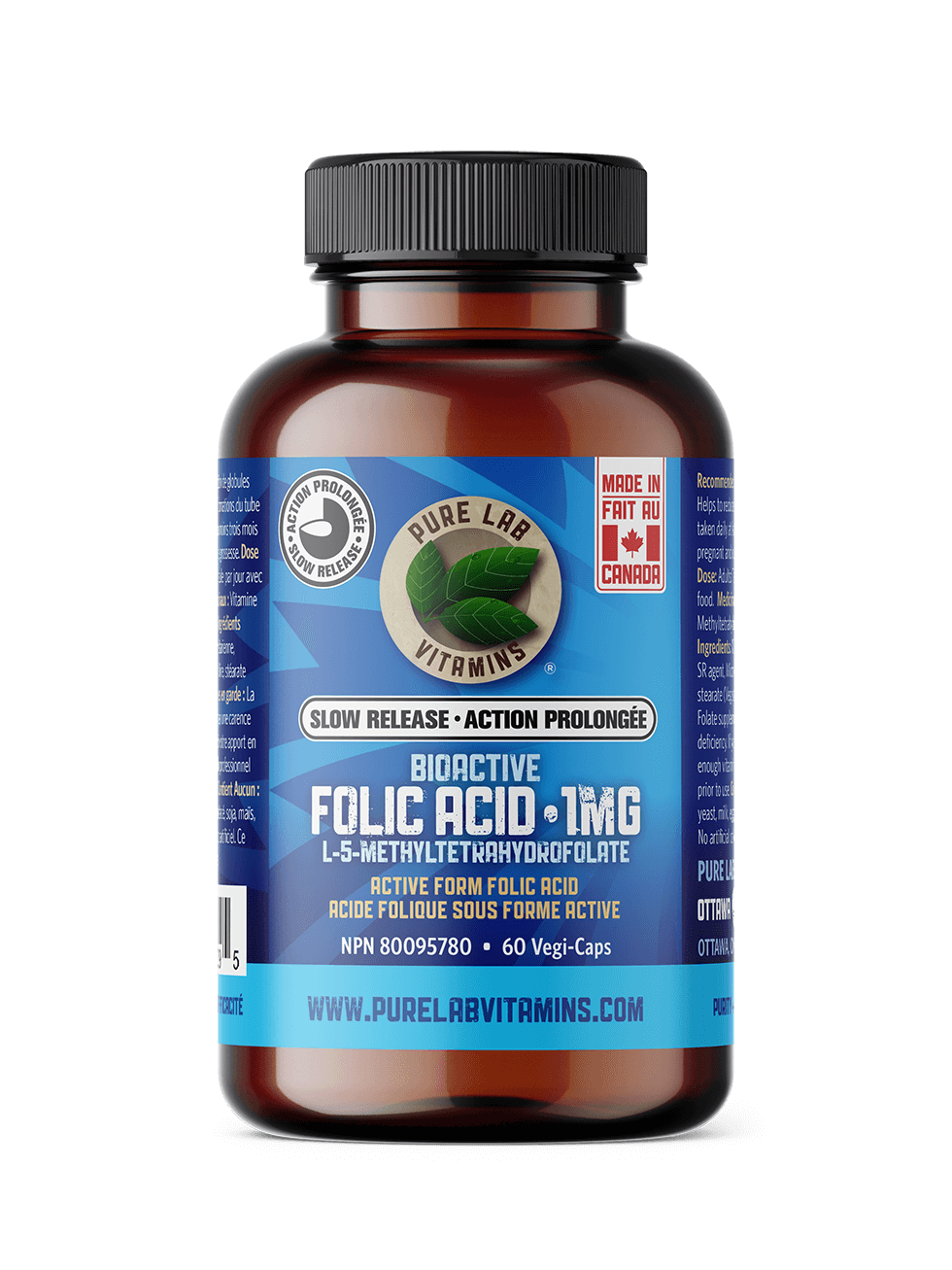 Bioactive Folic Acid 1 MG
 Bioactive B6 (PYRIDOXAL-5-PHOSPHATE) 50 MG
 Bioactive B12 1000 MCG
 Bioactive B12 5000 MCG
 NADH SR 20 MG
 NADH + Ubiquinol
 Vitamin K2-MK7 120 MCG
 NAC 600 MG
 L-THEANINE 250 MG
 L-THEANINE SLOW RELEASE 200 MG
 L-THEANINE CHEWABLES 125 MG
 L-Glutamine Capsules
 L-Glutamine Powder
 Magnesium Butyrate
 DIM
DIM Vitamin C 1000 MG
 Vitamin C Slow Release 1000MG
 Vitamin C Powder
 Vitamin D3 1000IU
 Vitamin D3 2500IU
 Vegan Vitamin D3 1000IU
 Vegan Vitamin D3 2500IU
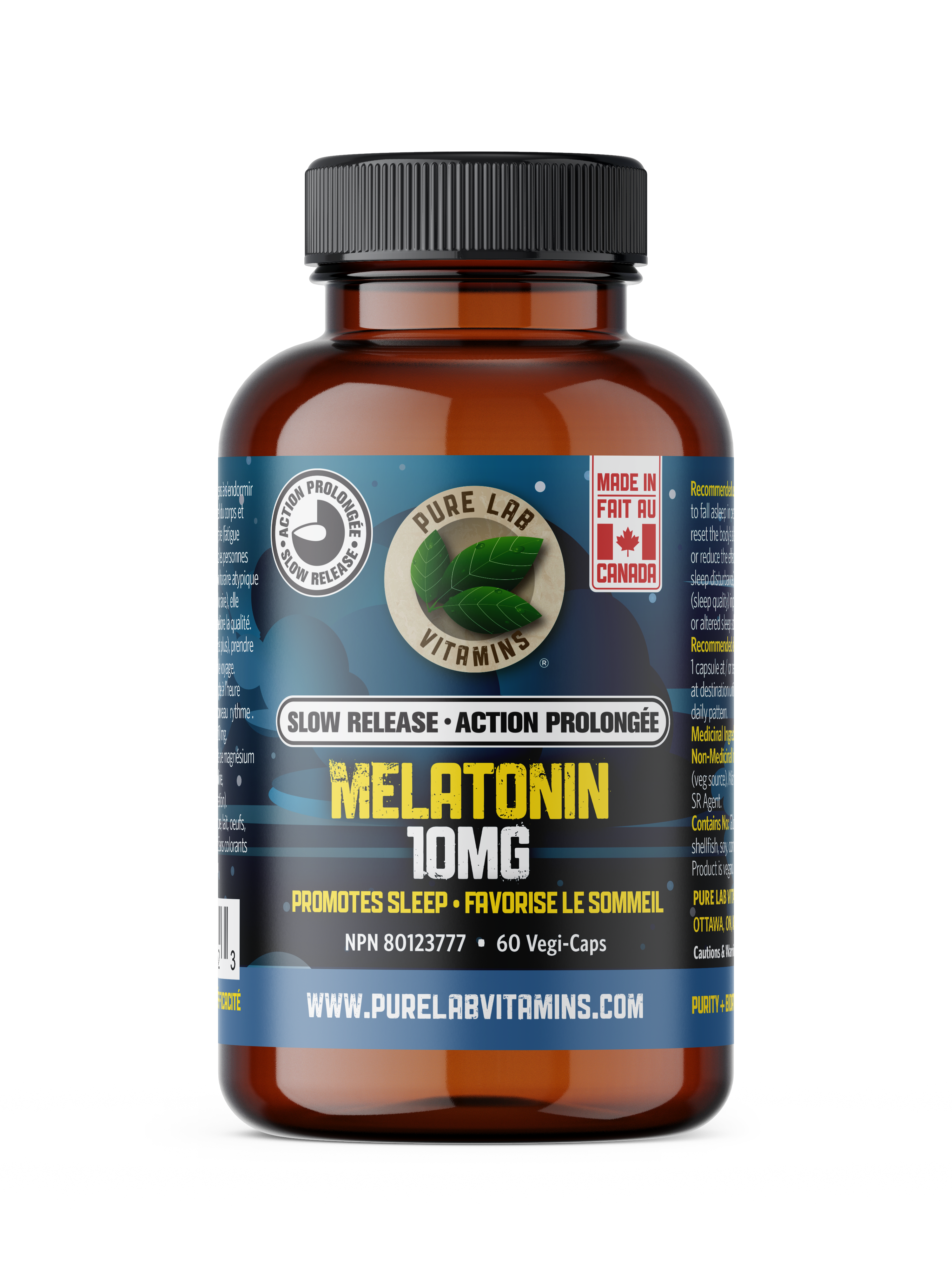 Slow Release Melatonin 10 MG
.png) Magnesium Glycinate +Melatonin
Magnesium Glycinate +Melatonin AlkaPure pH
 ThyroPure
 AdaptaPure
 Rhodiola
 UTI Pure 120s
 UTI Pure Powder