 |
By Andrea Bartels 22 Aug 2026 |
Plastic is so woven into our daily routines that most of us rarely notice just how often we interact with it. It's lightweight, durable, inexpensive, and incredibly useful, yet many of us are concerned about the possible health implications of microplastics exposure. In this blog, learn about why microplastics are a real concern and how small changes to the way you eat, drink, cook, and store food can reduce your exposure.
Microplastics are tiny fragments of plastic measuring less than 5 millimetres—about the size of a sesame seed or smaller. Many are far tinier than this, invisible to the naked eye. The smallest, called nanoplastics, are measured in millionths of a metre and are the focus of growing research because they may be small enough to enter body tissues.
Unlike food scraps or paper, most types of plastic are not biodegradable. To be termed “biodegradable”, microorganisms in our environment must have the ability to break down plastics after they're discarded. To compare, a non-biodegradable plastic item may gradually break down into smaller and smaller fragments under the influence of sunlight, heat, and physical wear.
Over time, a typical plastic bottle made of polyethylene terephthalate (PET), may break down into thousands or even millions of microscopic particles rather than disappearing altogether.
Similarly, the polystyrene that forms those insulated single-use coffee cups and takeout food containers undergoes degradation - - but is not biodegradable.
These tiny fragments—known as microplastics and nanoplastics—can persist in the environment for many years and have been detected in food, drinking water, household dust, and even inside the human body.
Scientists are still investigating whether chronic exposure to microplastics may contribute to metabolic disorders such as obesity and insulin resistance. Laboratory studies involving cell cultures and small animals suggest microplastics can promote inflammation, oxidative stress, and changes in the gut and liver that may impair metabolism. However, evidence in humans is still limited, and it is too early to conclude that microplastics are a significant cause of disease.
So, what can you do to minimize your exposure to microplastics? Here are some simple everyday choices that can help reduce your exposure:
Replace plastic food prep tools like cutting boards and cooking utensils with wood, glass or steel. Knife marks gradually wear away plastic cutting boards, generating microscopic plastic particles that may enter food.
Replace cookware with deteriorating non-stick coatings if the surface is damaged. Scratched or peeling non-stick coatings can shed particles into food. Durable alternatives for pans include stainless steel, cast iron, carbon steel and enameled cast iron.
Avoid heating food or beverages in plastic containers. Even ‘microwave-safe’ plastic food containers have been shown to leach. Microwaving or adding very hot food to plastic can increase the release of microplastics and plastic-associated chemicals.
Don't pour hot liquids into plastic containers. Heat can accelerate the release of microscopic plastic particles and certain plastic additives from some containers.
Replace your old plastic food storage containers with glass or ceramic. These materials don’t shed particles or degrade with repeated use. Old glass pickle and pasta sauce jars can be washed and dried thoroughly to make excellent storage for dry goods, like bulk dried beans, grains and noodles. Plus, most bulk food stores will be happy to weigh your empty reusable container before purchasing from the bulk bin.
Use stainless steel or glass water bottles. Reusable glass and stainless steel bottles eliminate repeated contact between beverages and plastic and are highly durable, when well cared for.
Store leftovers in glass or stainless steel rather than plastic. These materials remain stable over time and avoid repeated wear from washing, heating, and food contact.
Increase your fiber intake. A fibre-rich diet may help limit the absorption of microplastics by supporting a healthy intestinal barrier and promoting regular bowel function. Scientists have also proposed that some fibres could physically trap microplastic particles that end up in the digestive tract and support their elimination, although this has not yet been confirmed in human studies.
Reduce consumption of ultra-processed foods, like frozen meals, pizzas and soups, which tend to have more contact with plastic during manufacturing and packaging. The multiple stages of manufacturing, packaging, and storage increases opportunities for contact with plastic materials.
Drink filtered tap water instead of bottled water when possible. Bottled water has been found to contain microplastics in many studies. Drinking filtered tap water may reduce your exposure while also reducing plastic waste.
Choose takeout /delivery meals that are packaged in paper or aluminum rather than plastic, especially if the food is hot. Hot foods - - especially high-fat ones – can increase the migration of tiny plastic particles and certain chemicals from plastic packaging into food.
Avoid solid-black plastic food containers and utensils. Some black plastic kitchen utensils and food-contact products have been found to contain recycled plastic originating from electronic waste, allowing flame retardants used in electronics to enter consumer products. Consider carrying a reusable stainless steel fork and spoon with you when eating on the go.
Use cloth bags. They’re washable; just remember cotton will shrink in the dryer.
Choose loose produce instead of fruits and vegetables wrapped in plastic. Cotton string bags are ideal.
Choose fresh foods over heavily packaged products more often. Fresh foods typically have fewer opportunities to come into contact with plastic during processing, packaging, and storage.
Avoid using plastic tea bags by choosing loose-leaf tea or paper tea bags. Some plastic or plastic-sealed tea bags can release large numbers of microplastic and nanoplastic particles when steeped in boiling water.
Prioritize processed food products sold in glass jars. Since plastic particles migrate into oils easily, don’t buy oil-based items like mayo, peanut butter and salad dressings packaged in plastic bottles or jars.
All it takes is a little planning and prioritizing. Start by choosing one item in each category above. Once you have substitutions at the ready, you’ll be surprised how easy it is to lower your consumption. Remember that while completely avoiding microplastics isn't realistic, the practical, evidence-based steps I’ve outlined here can make you feel good about lowering your everyday plastic exposure.
References
European Food Safety Authority (EFSA). Microplastics and nanoplastics in food (updated April 2026).
Health Canada & Environment and Climate Change Canada — Science Assessment of Plastic Pollution (2020).
Schlanger, Zoë. “Throw Out Your Black Plastic Spatula”. The Atlantic, October 30, 2024.
World Health Organization (WHO). Dietary and inhalation exposure to nano- and microplastic particles and potential implications for human health (2022).
 WHAT'S HAPPENING AT PLV


 Magnesium Glycinate 100 mg
 Magnesium Glycinate Fully Reacted 100 mg
 Magnesium Glycinate 165 mg
 Magnesium Glycinate Raspberry Lemon-Powder Mix
 Magnesium Glycinate + L-Theanine
 Magnesium Glycinate +Taurine +CoQ10
 Carbonyl Iron 22.5 MG
 Zinc Glycinate 23 MG
 Copper Glycinate 1 MG
 Selenomethionine 200 MCG
 Calcium Hydroxyapatite
 Bioactive B Complex
 Bioactive Folic Acid 1 MG
 Bioactive B6 (PYRIDOXAL-5-PHOSPHATE) 50 MG
 Bioactive B12 1000 MCG
 Bioactive B12 5000 MCG
 NADH SR 20 MG
 NADH + Ubiquinol
 Vitamin K2-MK7 120 MCG
 NAC 600 MG
 L-THEANINE 250 MG
 L-THEANINE SLOW RELEASE 200 MG
 L-THEANINE CHEWABLES 125 MG
 L-Glutamine Capsules
 L-Glutamine Powder
 Magnesium Butyrate
 DIM
DIM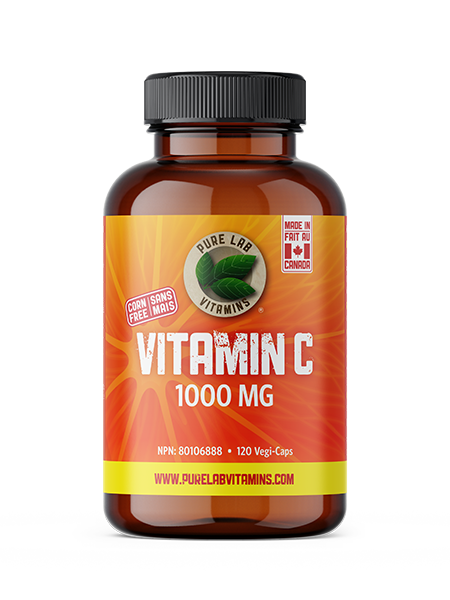 Vitamin C 1000 MG
 Vitamin C Slow Release 1000MG
 Vitamin C Powder
 Vitamin D3 1000IU
 Vitamin D3 2500IU
 Vegan Vitamin D3 1000IU
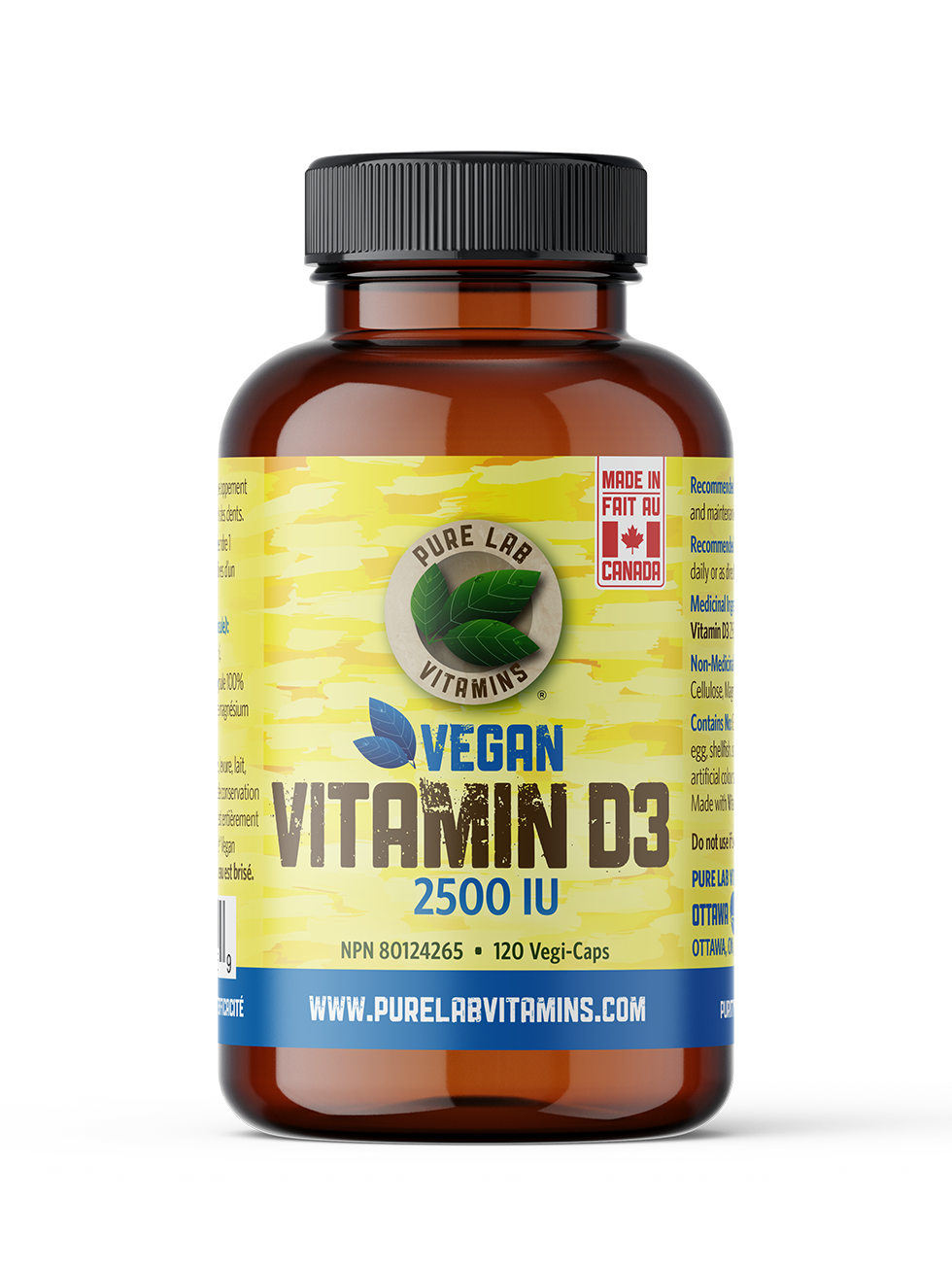 Vegan Vitamin D3 2500IU
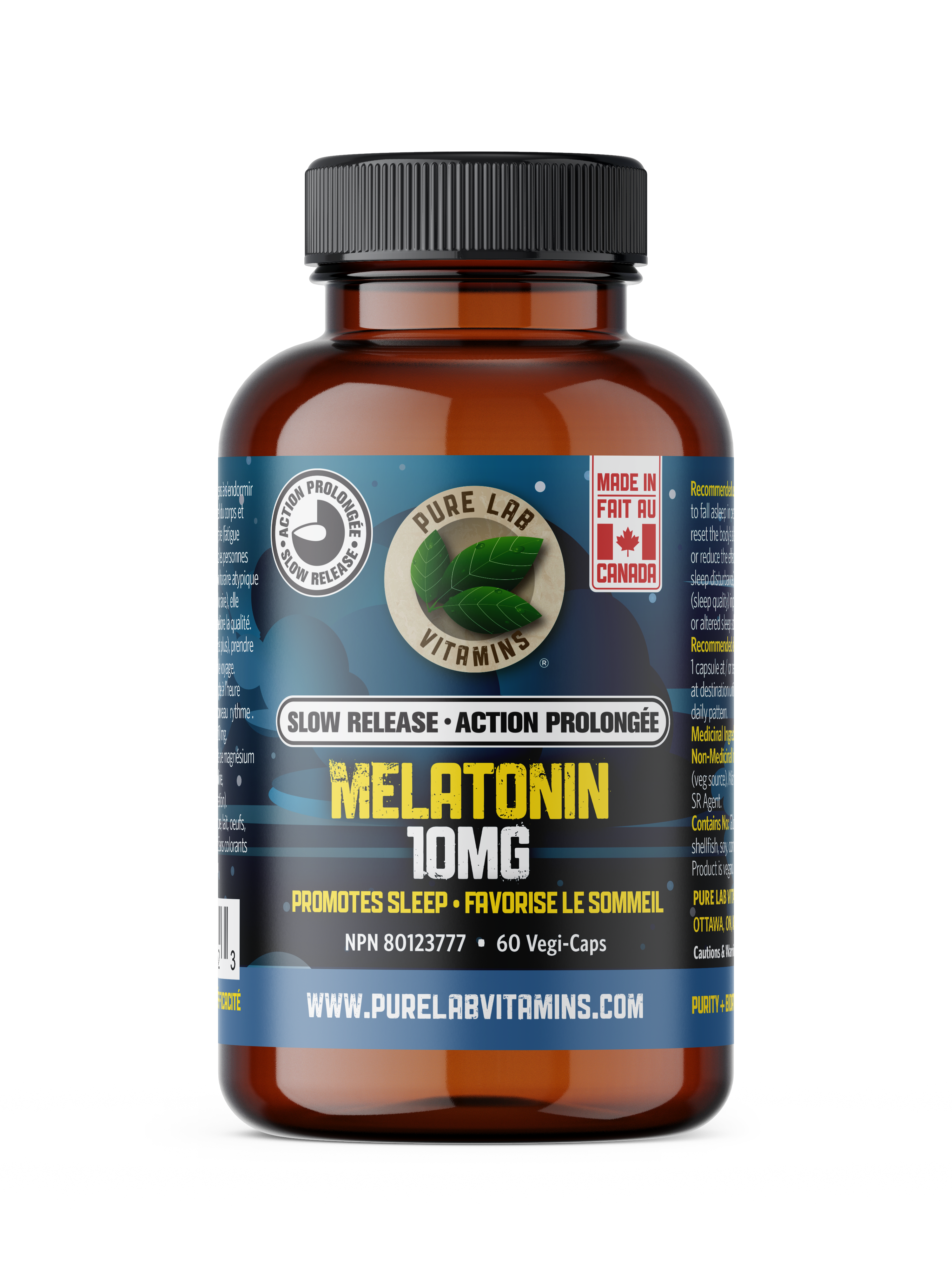 Slow Release Melatonin 10 MG
.png) Magnesium Glycinate +Melatonin
Magnesium Glycinate +Melatonin AlkaPure pH
 ThyroPure
 AdaptaPure
 Rhodiola
 UTI Pure 120s
 UTI Pure Powder