

 |
By Andrea Bartels 01 Sep 2026 |
Making healthy red blood cells is a team effort, so when levels of blood-building nutrients fall too low, it can be difficult to keep up with your usual activities. What nutrients does your body need to replace the blood you lose during each period? Read on to learn the three most important nutrients for healthy blood during your menstrual years—and how to ensure you're getting enough.
Think of red blood cells as delivery vehicles, while hemoglobin is the oxygen-carrying cargo system inside them. Hemoglobin picks up oxygen in your lungs, and your red blood cells transport it throughout your body. When blood does not have enough healthy hemoglobin to adequately carry oxygen to the body's tissues, anemia is diagnosed and iron is prescribed.
Because oxygen is essential throughout the body, anemia can affect much more than your bloodwork. Fatigue and weakness are common, and some of us experience dizziness, headaches, shortness of breath, a rapid heartbeat or difficulty concentrating.
Globally, the World Health Organization estimated in 2023 that 30.7% of women aged 15–49 were anemic. In addition, a large Canadian Blood Services study identified that 23% of female blood donors had completely depleted iron stores, compared with 12% of male donors. Even more striking, 36% of female first-time donors under age 45 had low or absent iron stores before ever donating blood, making them ineligible for blood donation.
Every menstrual period involves an average of around 30 mL of blood loss per cycle. Although the amount varies from female to female, those of us with heavier periods can lose up to 80 mL each month. This amount can make maintaining adequate iron stores and energy more challenging.
Iron is an essential component of hemoglobin – so when iron becomes deficient, your body has to work harder to supply tissues with the oxygen they need. That helps explain why anemia can make everyday activities feel taxing. You’ll feel the difference if that walk, workout or flight of stairs that normally feels manageable may start to feel more demanding. You may also notice generalized fatigue, weakness, dizziness, headaches, shortness of breath and reduced exercise tolerance.
To help maintain healthy hemoglobin, women aged 19–50 generally require 18 mg of iron per day, compared with 8 mg for adult men and women over 50. Meanwhile, teenage girls aged 14–18 require 15 mg per day.
Good sources of iron include red meat, dark-meat poultry portions (like thigh and leg) and seafood, as well as lentils, beans, cooked leafy greens, fortified cereals and pumpkin seeds. But if you have heavy flow, month after month, food alone probably won’t be enough to replenish your iron stores (i.e. ferritin) between periods.
Supplementation is usually necessary to correct iron deficiency, but results depend on the quality and type of iron compound you use. Pure Lab’s Carbonyl Iron is specially prepared into ultra-fine particles, making it more bioavailable than iron bisglycinate, and more bowel-friendly than ferrous fumarate/ferrous sulfate. Pure Lab’s formula provides 22.5 mg of elemental iron as well as 100 mg of vitamin C per capsule - - a nutrient that can help improve iron absorption.
We need more than iron to maintain healthy blood and energy. Vitamin B12 (cobalamin) is essential for DNA synthesis and normal red blood cell formation within the bone marrow. Deficiency can eventually result in fewer healthy red blood cells and lower hemoglobin levels, reducing the blood's ability to carry oxygen and contributing to fatigue and weakness.
B12 deficiency can also affect your nervous system, so symptoms can extend beyond those associated with anemia. Numbness or tingling, problems with balance, and changes in memory or concentration can occur and become permanent, with significant deficiency.
This is one of the reasons why it’s important to have your B12 levels monitored regularly. If you have a gastrointestinal condition, take certain diabetes medications, or you’re vegan, you’re advised to supplement. Quality meat, fish, eggs and dairy products, as well as B12-fortified foods are the most reliable sources as plants cannot make vitamin B12.
Since vitamin B12 absorption from food depends on several digestive processes, you may choose a sublingual B12 tablet, which allows some B12 to be absorbed through the tissues under the tongue. This reduces reliance on your gastrointestinal absorption abilities. Look for a biologically active form of B12, called methylcobalamin, such as Pure Lab’s BioActive B12 1000 mcg Sublingual. It’s also lactose-free and sugar-free with a natural strawberry-kiwi flavour to enjoy while it dissolves under your tongue.
You may think it’s just a nutrient reserved for pregnancy prep, but this vitamin is essential for DNA synthesis and cell division in people of all ages – males included. When folate is deficient, your red blood cells can't mature and divide normally. That's particularly important in tissues where new cells are continually produced—including bone marrow, where red cells originate. Over time, folate deficiency can result in fewer healthy circulating red blood cells and lower hemoglobin, potentially contributing to fatigue, weakness, shortness of breath and other symptoms of anemia.
Folate is naturally found in foods such as leafy green vegetables, legumes, asparagus, avocado and citrus fruits. You may also notice folic acid added to many enriched grain products in Canada. Both of these forms must be converted into a biologically active form by the body.
Unfortunately, not everyone is an efficient converter and user of folate due to differences in gene expression. That’s why using a supplemental form of fully activated folate, like the L-5-methyltetrahydrofolate in Pure Lab’s Slow Release Bioactive Folic Acid 1 mg can be a good way to ensure you’re meeting your body’s folate requirements. The bonus? The slow-release formula helps extend the benefits you get for up to twice as long as regular biologically active folate products.
It's tempting to associate low energy during your period with low iron and immediately reach for an iron supplement. But iron deficiency can exist before anemia develops. Blood testing can help determine whether iron stores are actually too low (i.e. under 30 mcg/L). Ferritin is commonly used to assess stored iron, while hemoglobin and other blood markers provide additional information about red blood cell status.
If your periods are unusually heavy, fatigue is persistent, or iron deficiency keeps returning despite supplementation, it's important to discuss this with a healthcare professional. Correcting the nutrient deficiency is important, but so is understanding and dealing with the cause.
Menstrual blood loss, dietary choices, blood donation and differences in nutrient absorption can all influence your iron, B12 and folate status. So whether you're navigating heavy periods, eating a plant-based diet, donating blood or simply looking after your everyday nutrition, paying attention to these three nutrients can help provide the nutritional foundation for improving your quality of life through your menstrual years.
Canadian Blood Services. Eligibility: Hemoglobin and iron.
Canadian Blood Services. Iron and blood donation.
Canadian Blood Services. Ferritin findings: Investigating iron and blood donation.
Office of Dietary Supplements. Folate: Fact Sheet for Health Professionals. National Institute of Health.
Office of Dietary Supplements. Iron: Fact Sheet for Health Professionals. National Institute of Health.
Office of Dietary Supplements. Vitamin B12: Fact Sheet for Health Professionals. National Institute of Health.
World Health Organization. Anaemia in women and children. WHO Global Health Observatory.
World Health Organization. Anaemia.
 WHAT'S HAPPENING AT PLV


 Magnesium Glycinate 100 mg
 Magnesium Glycinate Fully Reacted 100 mg
 Magnesium Glycinate 165 mg
 Magnesium Glycinate Raspberry Lemon-Powder Mix
 Magnesium Glycinate + L-Theanine
 Magnesium Glycinate +Taurine +CoQ10
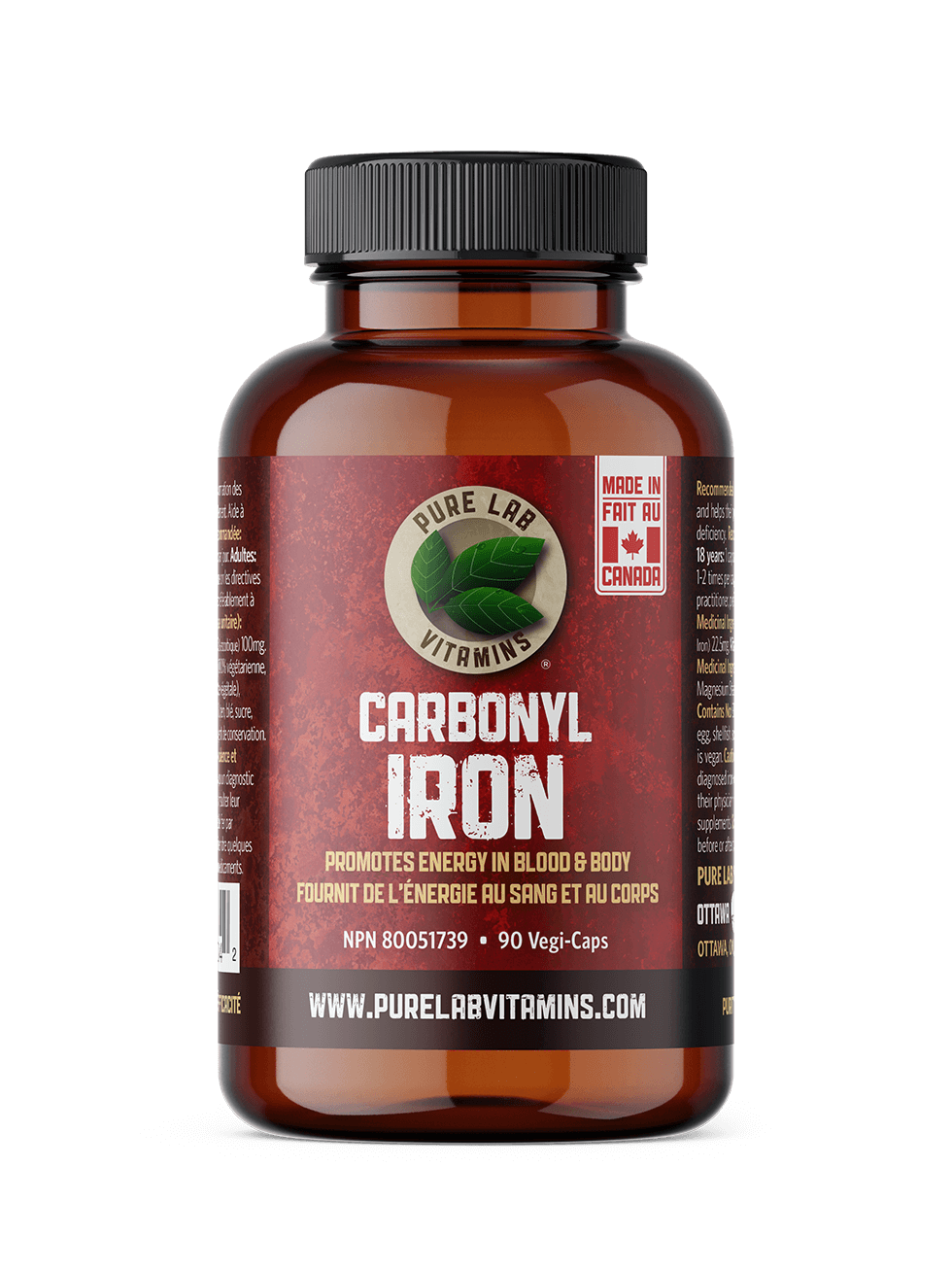 Carbonyl Iron 22.5 MG
 Zinc Glycinate 23 MG
 Copper Glycinate 1 MG
 Selenomethionine 200 MCG
 Calcium Hydroxyapatite
 Bioactive B Complex
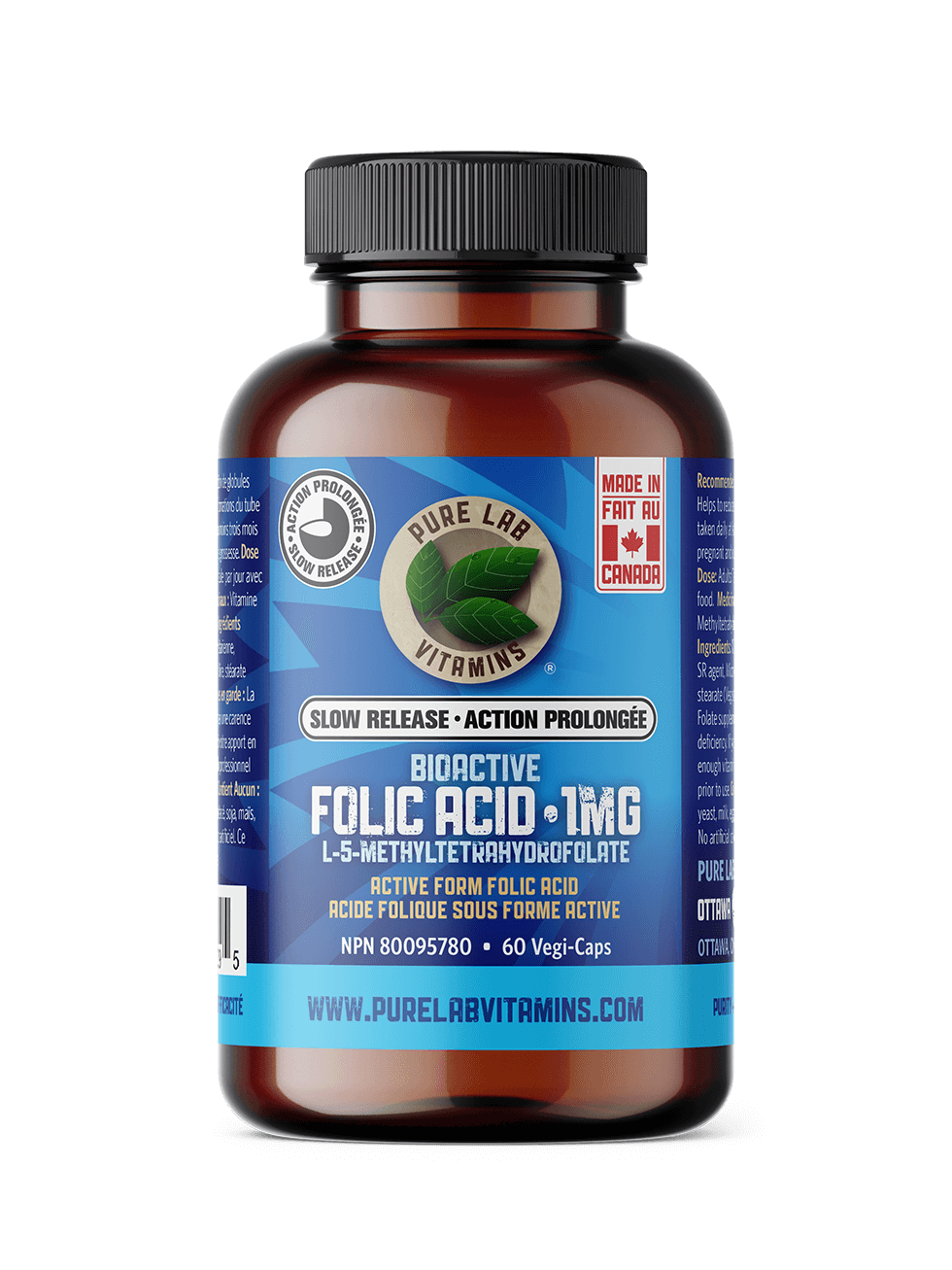 Bioactive Folic Acid 1 MG
 Bioactive B6 (PYRIDOXAL-5-PHOSPHATE) 50 MG
 Bioactive B12 1000 MCG
 Bioactive B12 5000 MCG
 NADH SR 20 MG
 NADH + Ubiquinol
 Vitamin K2-MK7 120 MCG
 NAC 600 MG
 L-THEANINE 250 MG
 L-THEANINE SLOW RELEASE 200 MG
 L-THEANINE CHEWABLES 125 MG
 L-Glutamine Capsules
 L-Glutamine Powder
 Magnesium Butyrate
 DIM
DIM Vitamin C 1000 MG
 Vitamin C Slow Release 1000MG
 Vitamin C Powder
 Vitamin D3 1000IU
 Vitamin D3 2500IU
 Vegan Vitamin D3 1000IU
 Vegan Vitamin D3 2500IU
 Slow Release Melatonin 10 MG
.png) Magnesium Glycinate +Melatonin
Magnesium Glycinate +Melatonin AlkaPure pH
 ThyroPure
 AdaptaPure
 Rhodiola
 UTI Pure 120s
 UTI Pure Powder