

 |
By Andrea Bartels 22 Sep 2026 |
Have you ever left a doctor’s appointment reassured by the words, “Your blood work looks normal”? That’s certainly good news. But it doesn’t necessarily mean that your diet is providing optimal—or even adequate—amounts of every essential nutrient. Here’s why each of us needs to look further than blood results to identify our personal nutritional needs.
First, there isn't one standard set of blood tests that every Canadian receives at an annual physical. Which tests are ordered depends on factors such as age, medical history, symptoms and individual risk factors. But these tests weren't designed to tell us whether we're meeting our requirements for every single essential vitamin and mineral.
For some nutrients, blood testing provides a particularly useful window into nutritional status.
Iron is one of the best examples. Ferritin reflects the body's iron stores and is considered a sensitive and specific marker for identifying uncomplicated iron deficiency. Your health care provider will most likely order a ferritin test if you’re having energy problems, you’re a menstruating or pregnant female, have a vegetarian diet, or have a health condition that involves malabsorption.
Vitamin D is another nutrient with a well-established blood marker. A 25-hydroxyvitamin D test can accurately assess your vitamin D status and determine if supplementation is warranted.
Magnesium is a good example. Since less than 1% of the body's magnesium is found in the blood, a blood magnesium test won’t accurately reflect total body magnesium stores.
Zinc presents a different challenge. Blood levels can be influenced by factors such as infection, time of day and other physiological factors.
For many other nutrients, testing isn’t part of routine blood work at all.
Even a normal result may not answer the question you think it does.
Calcium is a good example. Although serum calcium can be measured accurately, it doesn’t tell us whether we’re consuming enough. Because calcium is essential for functions like nerve signalling and muscle contraction, the body tightly regulates blood levels—even drawing calcium from bone when needed. As a result, normal blood calcium doesn’t necessarily mean dietary calcium intake is enough.
Start a journal of everything you eat and drink daily and you will soon see what a useful tool it is for nutrition professionals who work with clients. A well-detailed food diary will reveal very valuable insight into nutrition balance. But there are also some practical questions about your lifestyle that can tell you if what you’re consuming is enough for your needs.
For example:
Are there any foods missing or restricted?
Have your requirements changed because of your stage of life?
Are medications, digestive problems or other circumstances affecting nutrient intake or absorption?
These questions can help reveal any potential nutritional shortfalls.
A food-first approach remains the foundation of good nutrition. Food provides not only essential vitamins and minerals, but also protein, carbohydrates, fats, fibre, and a vast array of other beneficial compounds.
But there are circumstances in which consistently meeting nutrient requirements through food can be difficult. Dietary restrictions, limited food variety and food quality, changing nutritional requirements and other individual circumstances can all affect nutrient intake.
That's where supplements can have an appropriate role - - not as a substitute for a balanced diet and not simply because a nutrient hasn't been tested - - but as a targeted way to help meet nutritional needs where the body’s requirements are greater than what your diet can consistently provide.
Look beyond your bloodwork. A normal result doesn’t mean every nutrient has been assessed.
Look at your diet. Consider variety, food groups, any restrictions you’re making, and how consistently you’re eating nutrient-rich foods.
Consider your individual needs: Age, life stage, dietary patterns and certain health circumstances can mean your nutritional requirements are different from those of your family and friends.
Consult with a qualified health professional. If you have concerns about your nutritional needs, meet with a clinical nutritionist (such as an RD, RNT, RHN or CNP) for personalized recommendations.
Consider targeted supplementation. Supplements can help fill nutritional gaps. Just remember that they aren’t intended to replace a well-balanced diet.
Your bloodwork can tell you a lot, but it can’t tell you everything about your nutritional status. Your diet, lifestyle, stage of life and individual needs all help complete the picture. Taking a closer look at these factors can be a really valuable way to ensure you’re meeting your personal nutritional needs.
 WHAT'S HAPPENING AT PLV


 Magnesium Glycinate 100 mg
 Magnesium Glycinate Fully Reacted 100 mg
 Magnesium Glycinate 165 mg
 Magnesium Glycinate Raspberry Lemon-Powder Mix
 Magnesium Glycinate + L-Theanine
 Magnesium Glycinate +Taurine +CoQ10
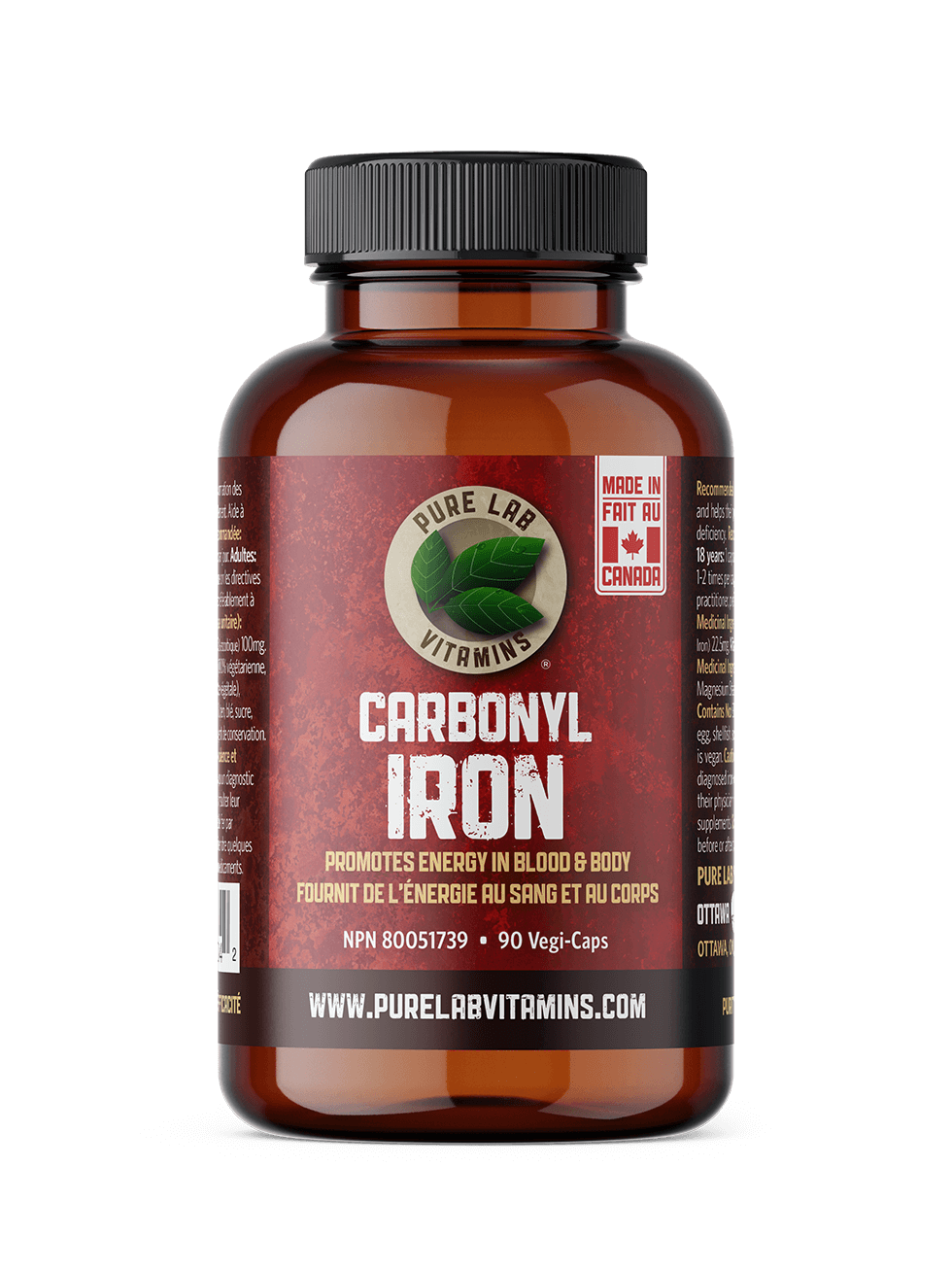 Carbonyl Iron 22.5 MG
 Zinc Glycinate 23 MG
 Copper Glycinate 1 MG
 Selenomethionine 200 MCG
 Calcium Hydroxyapatite
 Bioactive B Complex
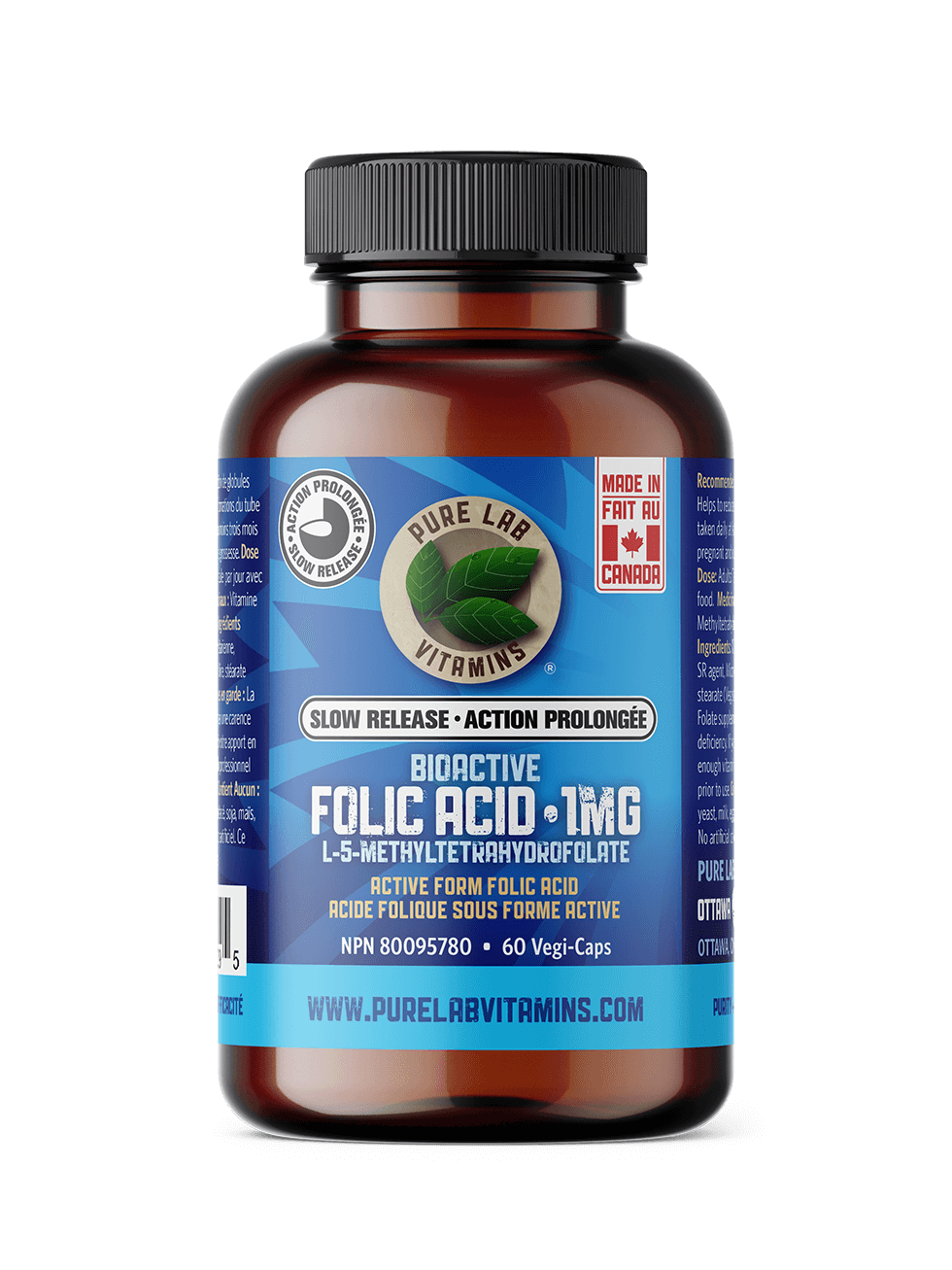 Bioactive Folic Acid 1 MG
 Bioactive B6 (PYRIDOXAL-5-PHOSPHATE) 50 MG
 Bioactive B12 1000 MCG
 Bioactive B12 5000 MCG
 NADH SR 20 MG
 NADH + Ubiquinol
 Vitamin K2-MK7 120 MCG
 NAC 600 MG
 L-THEANINE 250 MG
 L-THEANINE SLOW RELEASE 200 MG
 L-THEANINE CHEWABLES 125 MG
 L-Glutamine Capsules
 L-Glutamine Powder
 Magnesium Butyrate
 DIM
DIM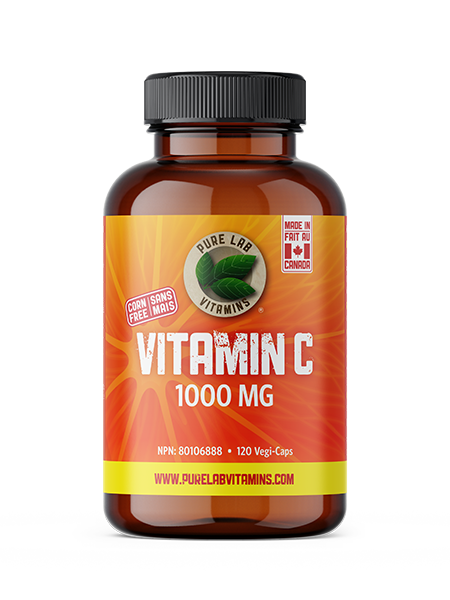 Vitamin C 1000 MG
 Vitamin C Slow Release 1000MG
 Vitamin C Powder
 Vitamin D3 1000IU
 Vitamin D3 2500IU
 Vegan Vitamin D3 1000IU
 Vegan Vitamin D3 2500IU
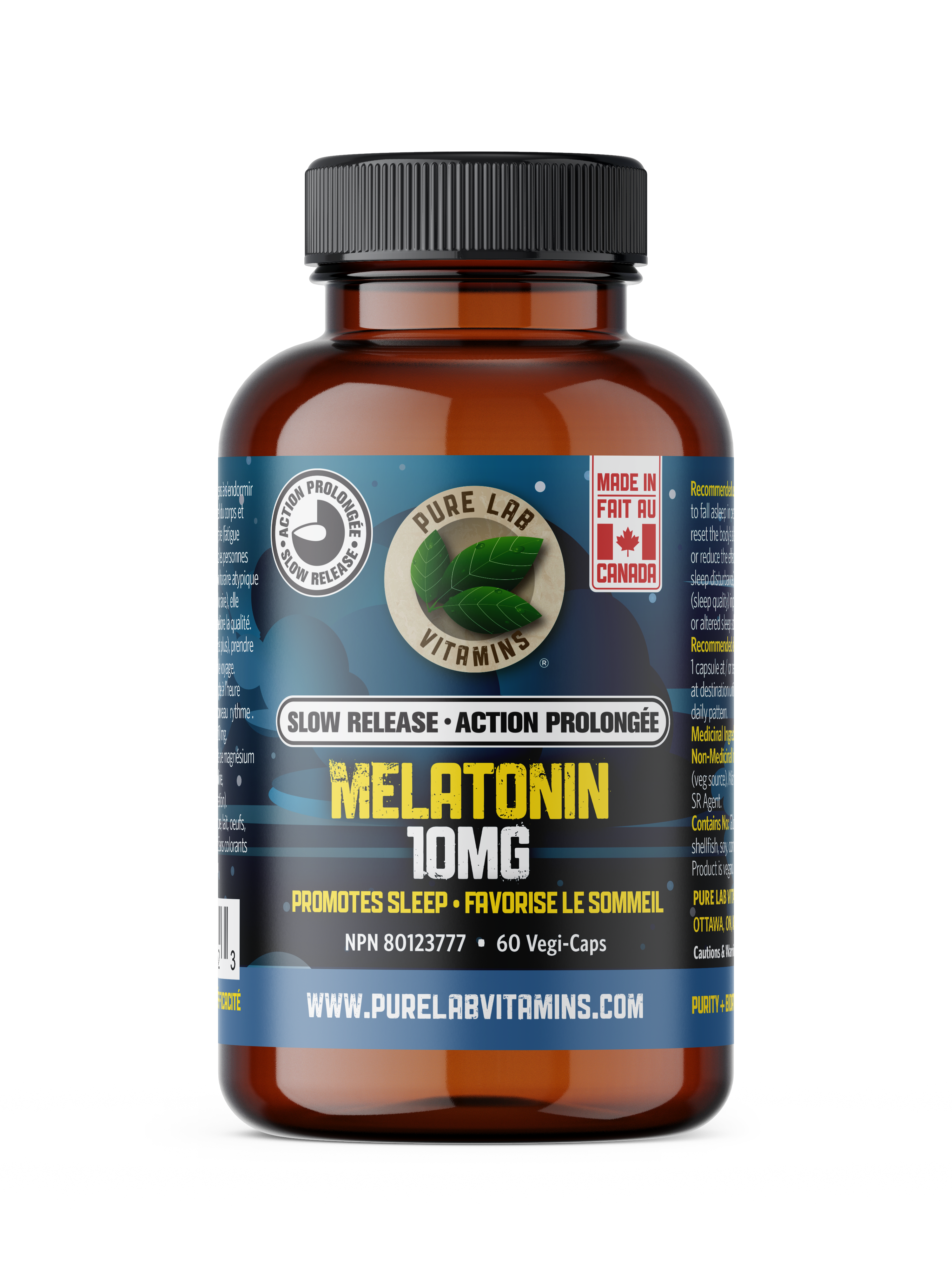 Slow Release Melatonin 10 MG
.png) Magnesium Glycinate +Melatonin
Magnesium Glycinate +Melatonin AlkaPure pH
 ThyroPure
 AdaptaPure
 Rhodiola
 UTI Pure 120s
 UTI Pure Powder